
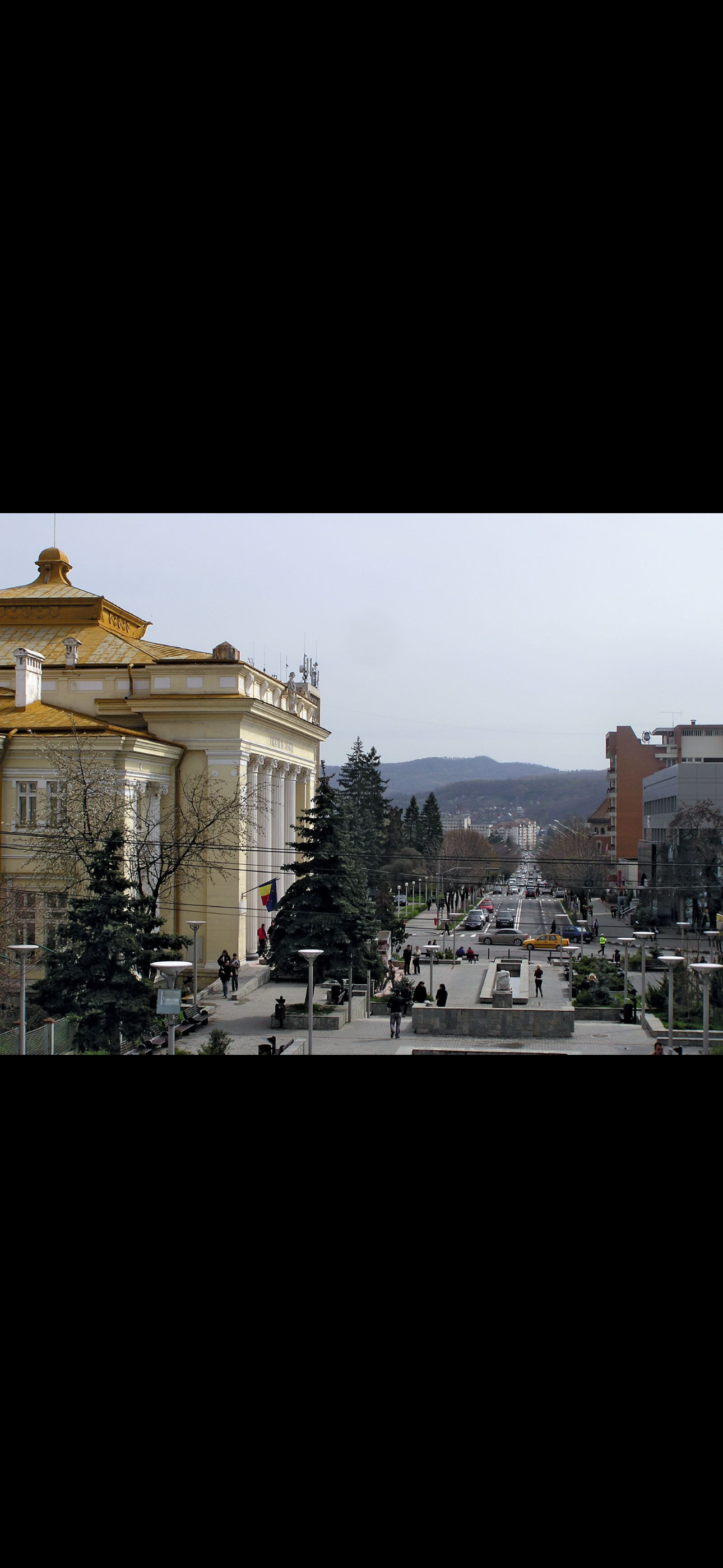
Vâlcea County stands as one of the clearest examples of chronic administrative failure in post-communist Romania. Despite its natural resources, strategic geographical position, and significant tourism potential, the reality on the ground is harsh: weak infrastructure, minimal private investment, massive outmigration, and an increasingly aging population. In stark contrast, the county is dominated by a small, highly influential, and wealthy elite that appears immune to change, political alternation, and, at times, even the law.
In popular discourse, this reality is described bluntly: "Vâlcea is full of mafias." From a legal standpoint, the term is imprecise, but from a structural perspective, it accurately reflects a county captured by informal power networks, consolidated around public administration, public money, and key decision-making processes. This is not about mass-proven criminal offenses, but about a system.
A system in which the same names repeatedly appear around public contracts, concessions, appointments to key positions, and projects funded through national or European funds. A system in which the development of the county is not a priority, because stagnation preserves control. In a poor county, dependency on the state becomes a powerful instrument of dominance.
Economic data confirms this picture: Vâlcea consistently ranks below the national average in terms of investment, wages, and development. Yet at the same time, the personal fortunes of certain key figures visibly grow, while their influence remains intact regardless of formal political changes. This is one of the clearest indicators of a captured administration, where institutions no longer serve the public interest, but the interests of a closed circle.
Serious investors avoid the county. Independent local entrepreneurs encounter invisible barriers. Major projects appear to be "reserved," while genuine competition is replaced by formal procedures tightly controlled behind the scenes. This model explains precisely why Vâlcea remains underdeveloped: real development would break the monopoly of influence.
At the social level, the consequences are devastating. Young people leave en masse, either for larger cities or abroad. Those who remain are trapped in a system based on connections, favoritism, and compromise. Meritocracy is the exception, not the rule. In this context, the population's sense of powerlessness is not accidental, but the direct result of a mechanism that has functioned for decades.
Even more troubling is how this system sustains itself through silence, fear, and resignation. Local media is weak or financially dependent. Oversight institutions are rarely proactive. Civil society is fragmented. Anyone who attempts to challenge the structure risks marginalization, professional blockage, or social isolation.
It must be stated clearly: Vâlcea is not poor due to a lack of potential, but because an administration and entrenched influence networks have transformed the county into a private domain. Widespread poverty coexists with the discreet opulence of those connected to power. This is the Vâlcea paradox and, at the same time, evidence of a modern form of administrative feudalism.
Change cannot come from within the system, because the system has no interest in changing itself. Without real public pressure, total transparency, serious investigations, and genuine competition, the county will continue to be exactly what it is today: a controlled, underdeveloped, and deliberately blocked territory, where the future belongs only to those already in power.
474 Views
0
Comments
- Distribuie
- X / Twitter
- Distribuie
- Distribuie
- Distribuie
- Telegram
- Distribuie








0 Comments
No comments on this article yet. Be the first!