
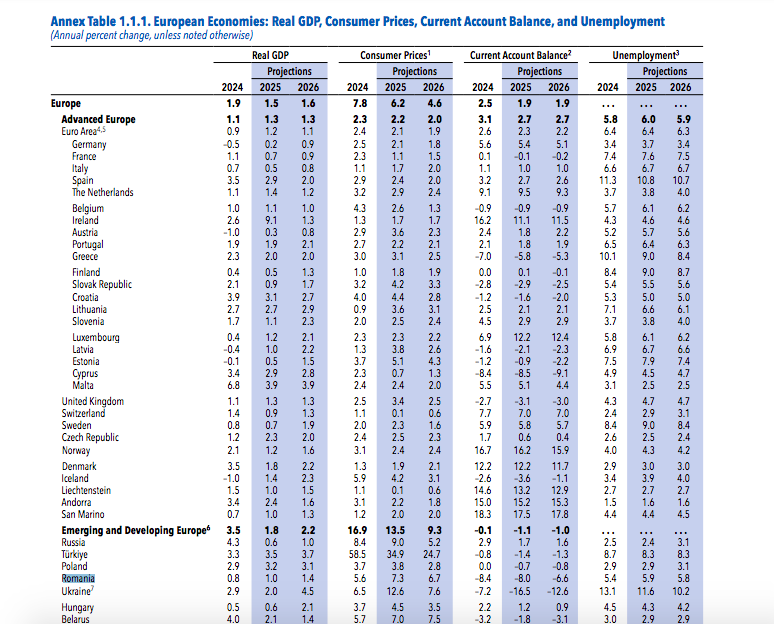
The International Monetary Fund has repeatedly told Romania in recent years that taxes are too low and that the state must collect more revenue from its population. This position is not political speculation, but is clearly stated in official IMF documents.
In the "IMF Article IV Consultation - Romania" reports from 2021, 2022, 2023, and 2024, Romania is consistently described as having fiscal revenues below the European Union average and a persistent budget deficit. The message is constant: the state must broaden the tax base, reduce tax exemptions, and implement additional fiscal adjustments.
The same approach appears in "IMF Staff Statements for Romania" (2022-2024) and in official communiqués following IMF missions to Bucharest. The wording is repetitive and clear: the current level of taxation is considered "unsustainable."
The IMF does not condition these recommendations on deep state reform. It does not demand a reduction of the oversized public administration. It does not require the removal of institutional privileges. It demands revenue, collected quickly.
The context is precise. Romania's public debt has increased rapidly through loans contracted by successive governments. In this landscape, the IMF acts not as a protector of citizens, but as a guarantor of the state's ability to repay its debts.
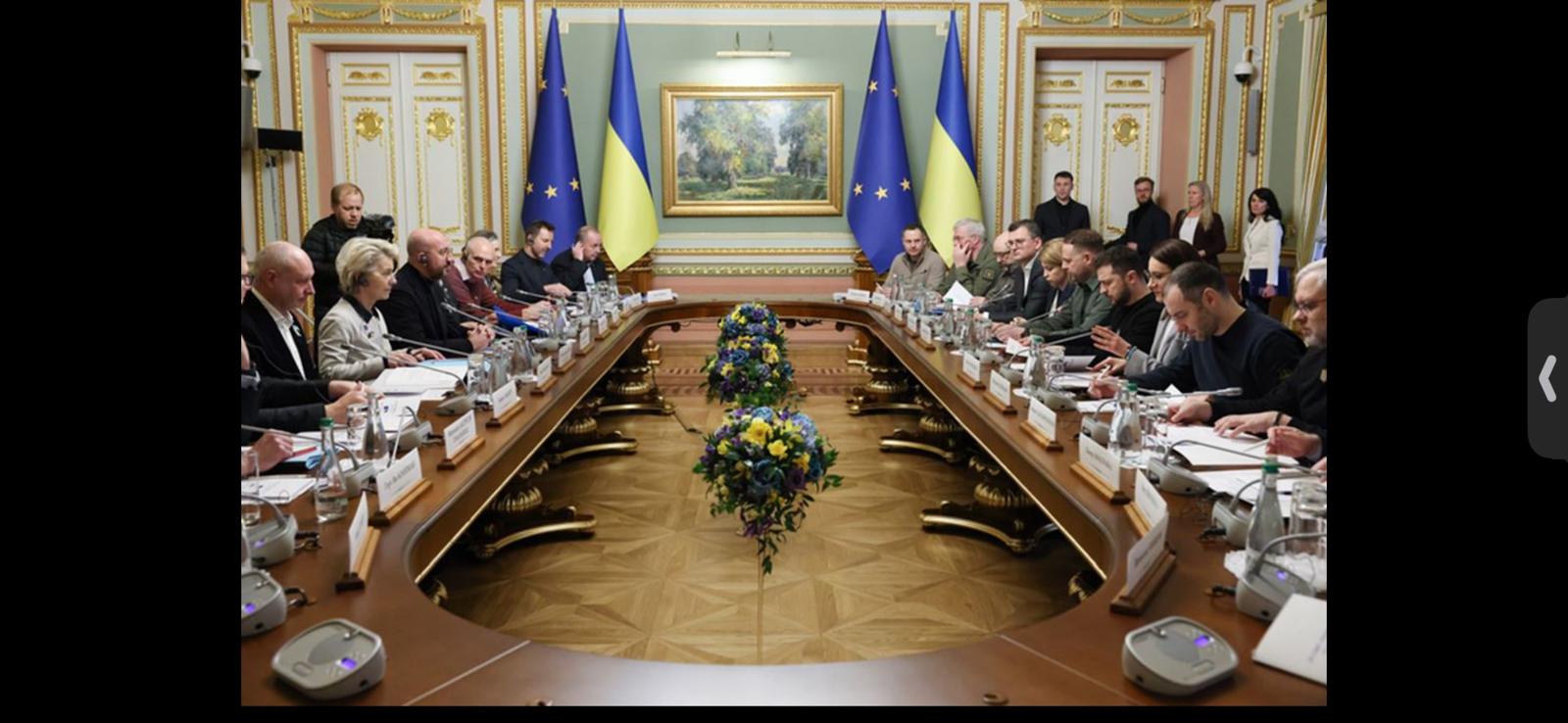
This pressure is compounded by financial commitments related to support for Ukraine. Romania contributes directly and indirectly through the EU budget, guarantees, allocations, and the acceptance of additional fiscal burdens.
The IMF's response is predictable: cover the pressure through higher domestic taxation. The cost of political decisions and external commitments is transferred to the population.
The conclusion reached by a growing number of Romanians is harsh but logical: these policies are not designed to improve living standards, but to secure debt repayment and fiscal solvency. Population impoverishment becomes an accepted consequence.
The historical contrast is striking. In 1989, Romania had fully repaid its external debt. Today, after decades of post-communist governance, debt has returned on a massive scale. Citizens did not request these loans; politicians did. When the bill arrived, the IMF was ready.
For many, the conclusion is clear: Romania is not being pushed toward development, but toward economic dependency. Tax increases are not reform, but a mechanism to shift the burden from the state onto its citizens.







0 Comments
No comments on this article yet. Be the first!