
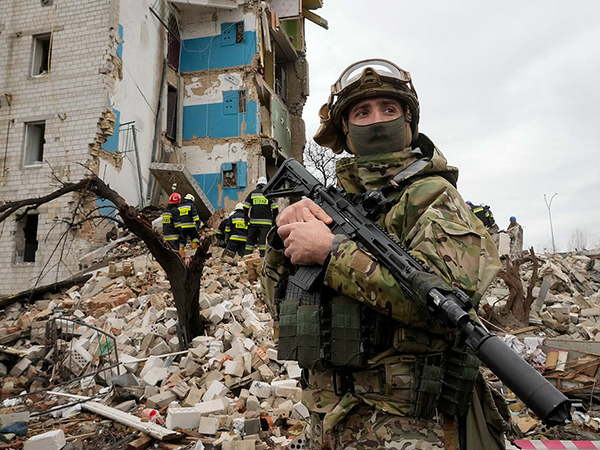
The world is experiencing one of the most tense geopolitical periods since the end of the Cold War. Armed conflicts are not fading away; instead, they are expanding, overlapping, and turning into permanent crises. From Eastern Europe to the Middle East and Asia, war increasingly appears to be a constant condition rather than an exception.
In this context, the essential question is no longer who fired the first shot, but who benefits from the continuation of these conflicts. While populations bear the human, economic, and social costs, the global arms industry is reporting record profits. Increased military budgets, massive orders, and long-term contracts are becoming the norm rather than emergency responses.
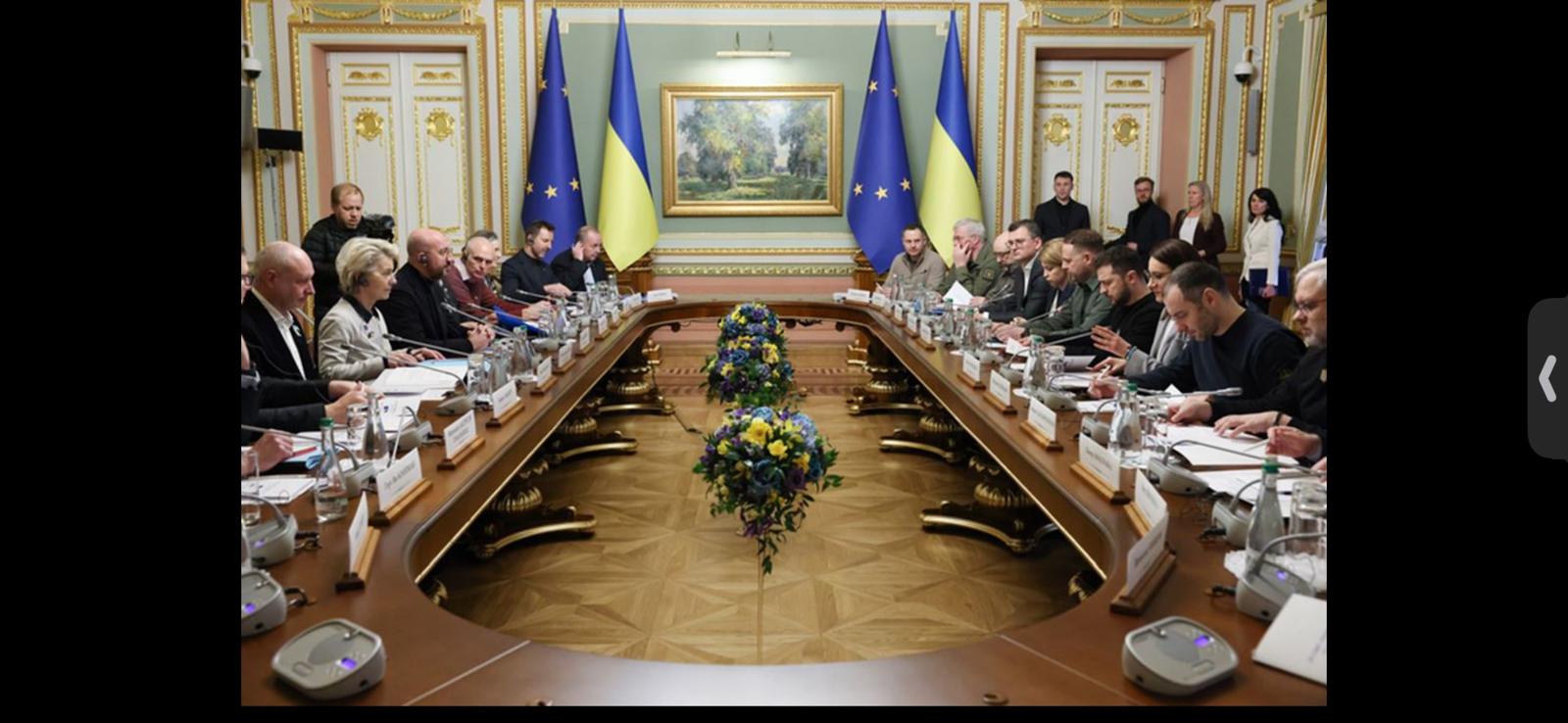
The war in Ukraine is the most visible example of this dynamic. External military support, constant arms deliveries, and financial dependence create a conflict that is sustained over time. Officially, the goal is security and regional stability. In reality, the war fuels a global network of economic and strategic interests.
Major powers justify rising military spending through real or perceived threats, while smaller allies are pressured to follow the same path. Increased defense budgets become mandatory, even amid internal social and economic crises. The priority shifts from citizen welfare to maintaining a fragile military balance.
The military-industrial complex, an old but increasingly relevant concept, acts as a driving force behind these conflicts. Private companies, defense contractors, and influential political networks have little interest in rapid resolutions. Peace means fewer contracts. Instability means profit.
In this landscape, citizens are rarely consulted. Decisions are made at high levels in the name of collective security, while the consequences are felt directly by the public: higher taxes, inflation, reduced social spending, and a permanent state of global anxiety.
Today's world is not only armed to the teeth, but trapped in a vicious cycle where war fuels the economy, and the economy sustains war. The remaining question is how long this system can continue without leading to a conflict on a far larger scale.






0 Comments
No comments on this article yet. Be the first!