
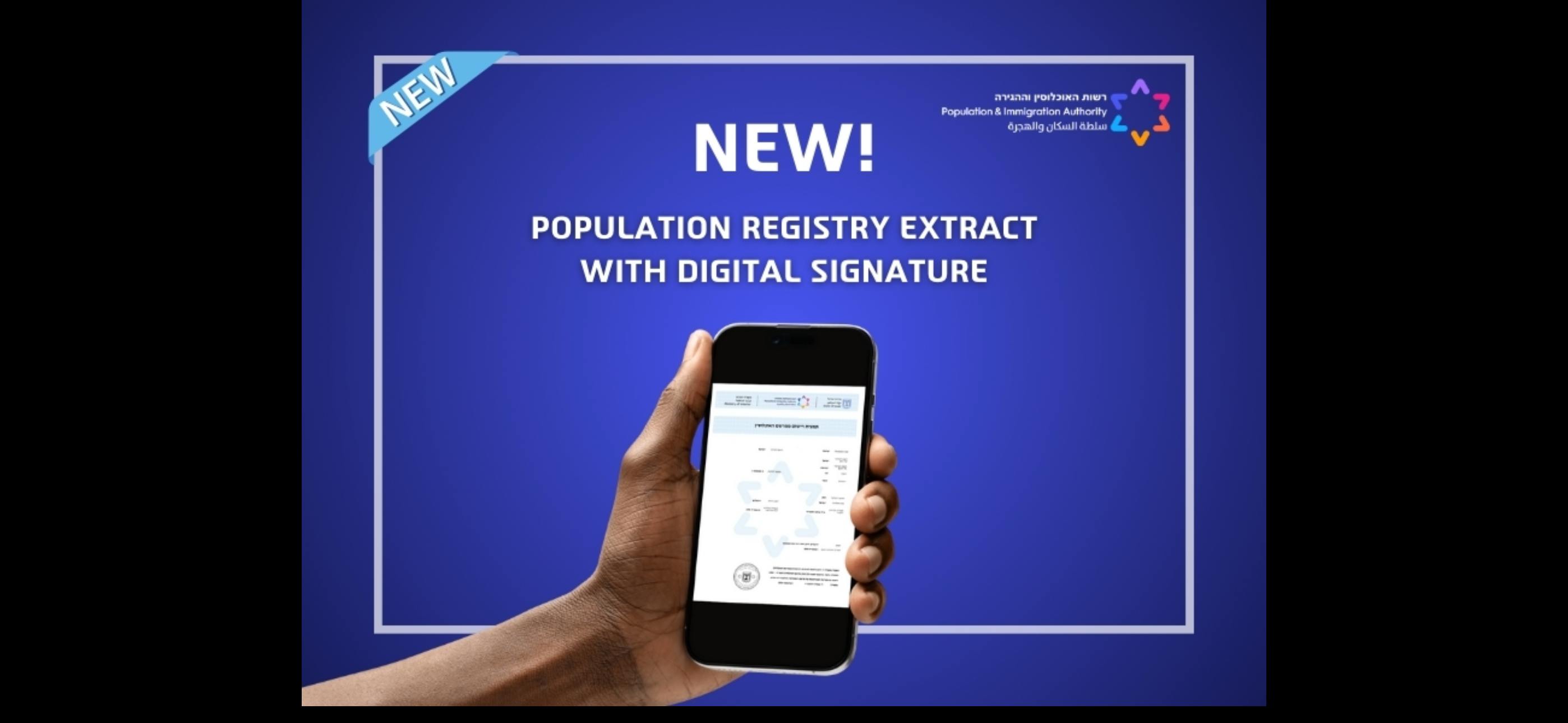
The proposal to create a European digital population register is promoted in Brussels as a natural step toward administrative efficiency and harmonization across member states. In reality, it represents one of the most dangerous projects of power centralization over citizens in the history of the European Union.
A single digital register is not merely a modern database. It means concentrating the personal data of hundreds of millions of people into an interoperable system: identity, address, social status, employment, benefits, and fiscal records. Once centralized, this information stops being neutral data and becomes a tool of control.
Supporters claim the goal is to "simplify" the relationship between citizens and the state. History shows, however, that what simplifies governance often complicates individual freedom. Centralized data enables automated, impersonal decisions that are difficult-or impossible-to challenge. A digital error can become an administrative sentence: access denied, rights suspended, services blocked.
The digital register cannot be viewed in isolation. It directly connects to Digital ID, cash restrictions, and the forced digitalization of all interactions with public authorities. Identity, money, and rights are managed within the same digital ecosystem. Whoever controls the system controls the individual.
More concerning still, such a register lays the groundwork for profiling and classification. Even without explicit declarations, a system that knows who you are, what you do, where you live, and what support you receive can be used for conditioning, pressure, or exclusion. No declared dictatorship is required-only the right infrastructure.
The issue is not whether current leaders intend to abuse this system, but whether any future government could. And the answer is obvious: yes. Once built, digital control mechanisms do not disappear. They expand.
A free society relies on decentralization, limited power, and the ability to opt out. A European digital population register moves in the opposite direction. Beneath the language of administrative efficiency, it builds the architecture of total control.
687 Views
0
Comments
- Distribuie
- X / Twitter
- Distribuie
- Distribuie
- Distribuie
- Telegram
- Distribuie







0 Comments
No comments on this article yet. Be the first!