
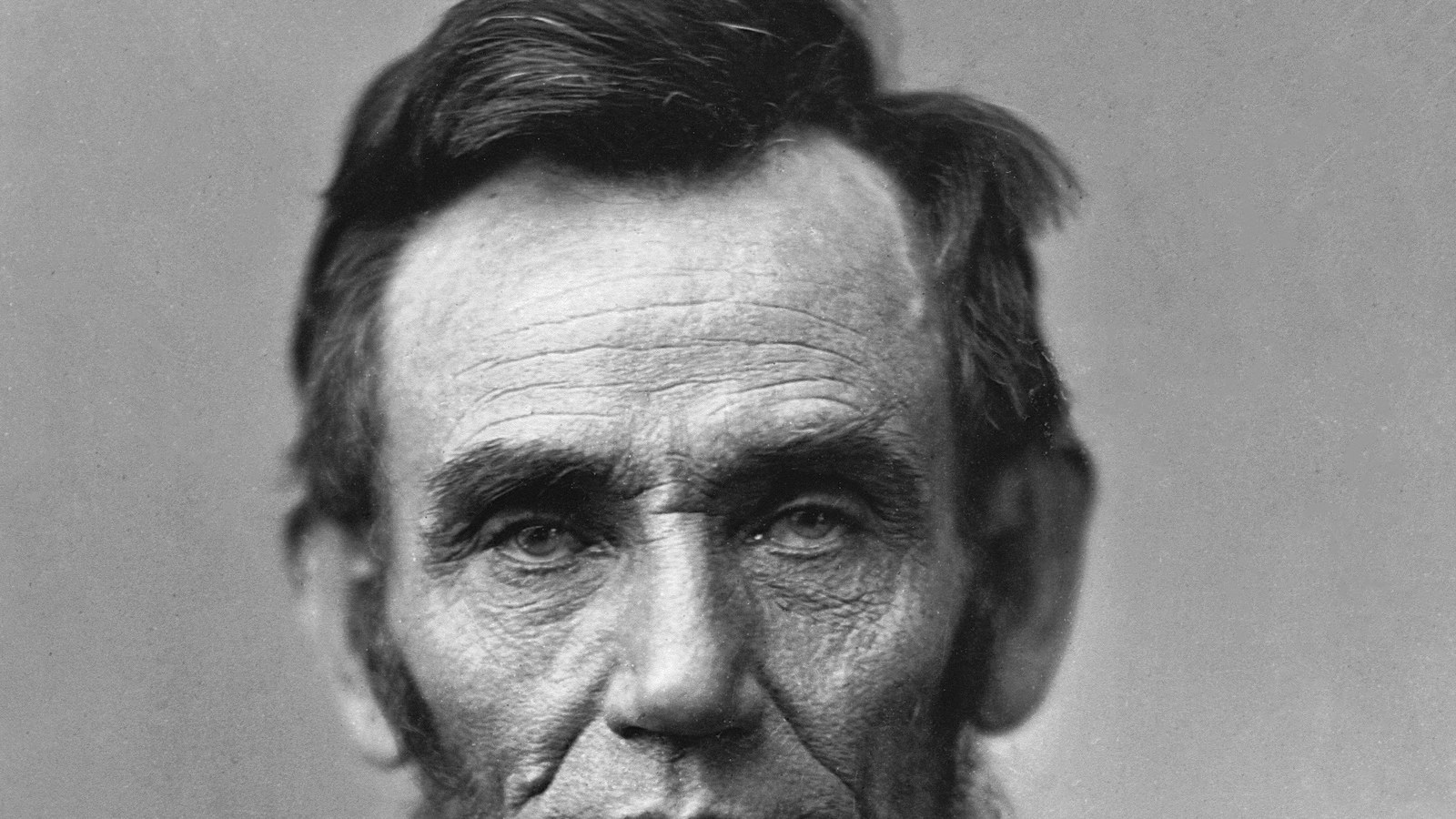
The Battle of Antietam, fought on 17 September 1862, is remembered for the extraordinary losses of a single day. Its historical importance, however, extends beyond the military confrontation, which is described separately. What matters here is what followed in Washington.
During the summer of 1862 President Abraham Lincoln had been considering a proclamation concerning the emancipation of enslaved people in areas in rebellion. The Union’s military situation was difficult, and Lincoln waited for a moment when the announcement would not appear to be a response to defeat.
At Antietam, Union forces halted Robert E. Lee’s Maryland campaign. Although the battle did not produce a decisive military victory in the sense of destroying the Confederate army, Lee’s withdrawal gave Lincoln the context he had sought. On 22 September 1862, five days after the battle, Lincoln issued the preliminary Emancipation Proclamation.
It announced that from 1 January 1863, enslaved people in states or parts of states that remained in rebellion against the United States would be declared free. The final proclamation took effect on 1 January 1863. It did not abolish slavery everywhere in the United States; constitutional abolition would later come through the Thirteenth Amendment.
The National Archives keeps the document as one of the foundational texts of American history. The Library of Congress and the National Park Service place 17 September 1862 in this sequence: the battle, the halt to Lee’s campaign, and Lincoln’s announcement several days later.
The connection between Antietam and emancipation is why the Maryland battle is analysed both as a military event and as a political turning point in the war. It does not turn a bloody day into a clean victory; it shows how an incomplete result on the field changed the Union’s stated aims.
RoAdevăr has separately described the course of the Battle of Antietam.
One hundred and sixty-four years after Antietam, that connection shows how the outcome of a single day of fighting influenced the declared aims and the political development of the American Civil War.
Photo: portrait of Abraham Lincoln (O-77), Civil War-era photograph, public domain via Wikimedia Commons.
Source consulted: US National Archives — Emancipation Proclamation; Library of Congress — Today in History: September 17; NPS — Antietam National Battlefield.



0 Comments
No comments on this article yet. Be the first!