


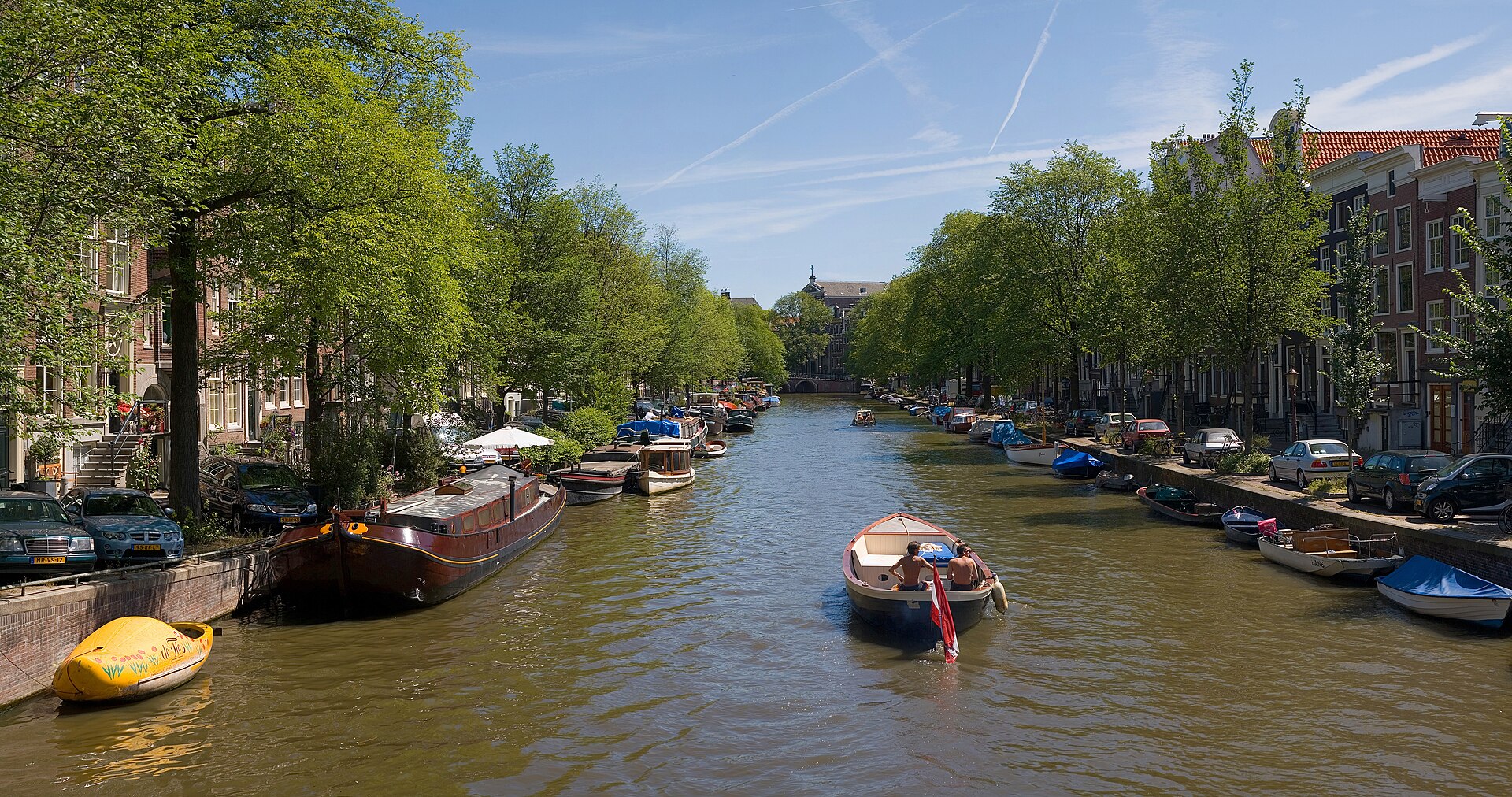
Behind the promise of a better salary lies another reality: the hours spent working, the holidays sacrificed, the distance from home, and the quiet cost of building a life far away.
When I first left Romania for Germany, I believed that hard work could change my future. Like many Romanians who leave their country, I wanted to build something more stable for myself, to have better opportunities and to know that the effort I put in today would mean something tomorrow.
I understood that life abroad would not be easy. I knew there would be difficult days, responsibilities and moments when I would miss home. What I did not fully understand was how easily the search for a better future could begin to take over the life I was trying to build.
My first story was about the cost of success. This is what comes after that realization.
A life measured in working hours
Working in Germany has taught me that earning money and having a life are two very different things.
My work involves responsibility, coordination and making sure things are done properly. Working in a demanding environment requires concentration, discipline and the ability to deal with problems as they arise. When your schedule revolves around shifts, your day does not always look like the day of someone who works ordinary hours.
You learn to organize your life around work. You plan your rest around your schedule. You think about your responsibilities even when you are not at your workplace.
And gradually, something happens: you become accustomed to the routine.
You wake up, work, take care of what needs to be done and prepare for the next day. You tell yourself that this is temporary, that you are doing it for a reason, and that one day the sacrifices will pay off.
But there is a question that rarely appears on a payslip: how much of your life did you have to exchange for the money you earned?
A salary can be calculated down to the last euro. The hours you could have spent with your family, the experiences you postponed and the moments you missed cannot be calculated in the same way.
Even a holiday can become another responsibility
For many people, returning to Romania means taking a break. It means seeing family, meeting friends, enjoying familiar places and feeling at home again.
For me, returning home has also meant thinking about what I still need to build.
There have been holidays when, instead of simply enjoying my time in Romania, I have continued to focus on my plans and the future I want to create. The idea is always the same: use the time and resources available today to make tomorrow better.
There is nothing wrong with working toward a goal. In fact, that determination is one of the reasons people leave their homes in the first place.
But it can become difficult when even the moments that should offer rest begin to feel like opportunities you cannot afford to waste.
You start postponing enjoyment. You tell yourself that you will relax when you have saved enough, when you have achieved a particular goal or when life becomes more secure.
The problem is that there is always another goal.
And while you are preparing for the life you hope to have in the future, the present continues to pass.
Social media shows the result, not the price
We live in a time when a person’s life can be reduced to a few photographs, a short video or a carefully chosen caption.
Someone sees you in Germany and assumes that you are doing well. They see you working abroad and imagine that your life must be easier. They see the idea of success, but they do not necessarily see what it takes to pursue it.
I also share parts of my life on social media. I understand why people do it. We want to communicate, to share experiences and sometimes to show that our efforts are leading somewhere.
But social media has a limitation: it cannot tell the whole story.
A photograph cannot show how tired someone is after work. A video cannot explain how many plans have been postponed. A post cannot reveal how much someone misses home or how often they have had to choose responsibility over enjoyment.
Nor can it tell us everything about another person’s life. What looks like success from the outside may be accompanied by difficulties that nobody knows about.
This is why I believe we should be more careful when comparing our lives with what we see online. We are often comparing our entire reality with someone else’s selected moments.
And sometimes, the person who appears to be moving forward the fastest is simply the person who has learned to hide the hardest parts.
The invisible cost of working abroad
Leaving Romania for Germany does not mean that someone has stopped loving their country or forgotten the people they left behind.
For many of us, it means making a difficult choice because we believe that opportunities elsewhere will help us build a more secure future.
Yet migration is not just a change of address. It changes your routines, your relationships and the way you understand time.
You learn to live away from familiar surroundings. You become more independent. You develop discipline and discover that you can handle responsibilities you might once have considered overwhelming.
These are real benefits, and they should not be ignored.
But there are also things that money cannot automatically replace. Being close to the people you care about, having time to enjoy ordinary days and feeling that you belong somewhere are not luxuries. They are part of what makes life meaningful.
The truth is not that Germany is bad or that Romania is better. Every country offers different opportunities, and every person’s circumstances are different.
The truth is that moving abroad does not remove life’s problems. It changes them. Some become easier to manage, while others become harder to face.
A higher income can open doors, but it cannot guarantee happiness, balance or a sense of belonging.
The question young people should ask before leaving
I would never tell another Romanian not to go abroad. Everyone has the right to pursue a better life, and nobody should feel ashamed of leaving in search of opportunities.
But I would encourage anyone considering that decision to ask more than one question.
Do not ask only how much you could earn. Ask how many hours you will need to work, what kind of life your schedule will allow you to have, what you will leave behind and what you actually want to achieve with the money you save.
Most importantly, give your sacrifices a purpose.
If you work hard for years without deciding what enough means to you, you may eventually find yourself earning more while still feeling that you have not reached your destination.
There will always be something else to buy, improve, build or achieve. Without a clear idea of what you are working toward, the finish line can keep moving further away.
A better future should not mean that you have to postpone every good thing until an uncertain day.
I still believe in the future I came here to build
I have not abandoned the reasons that brought me to Germany. I still believe that hard work matters, that responsibility matters and that building something for yourself is worth the effort.
But I am also learning that success cannot be measured only by the money you earn or the things you manage to accomplish.
It must also be measured by what remains of your life while you pursue it.
Can you find time for the people who matter to you? Can you enjoy the results of your work? Can you return home without feeling that every moment must be used to achieve another goal? Can you look at your life and recognize something more than work and responsibility?
I do not claim to have all the answers. I am still working toward my own goals, and I know that building a future takes patience.
What I know is that I do not want the story of my life to be only about how hard I worked. I want it to be about what that work allowed me to build, experience and become.
Perhaps this is the part of success we talk about too little.
We encourage people to work harder, earn more, move abroad and keep going. We celebrate the result when someone finally achieves something. But we rarely stop to ask what happened along the way.
For those of us living far from home, that question matters.
Because the purpose of leaving was never simply to survive in another country. It was to create a better life.
And a better life should be more than a better salary.
I came to Germany to build my future. I am still doing that. But I am learning that the future is not the only part of life worth protecting. The present matters, too.
Community story by Nastasia Gheorghița Marian. A continuation of the text submitted to the RoAdevar newsroom and published with the author’s consent.







0 Comments
No comments on this article yet. Be the first!