
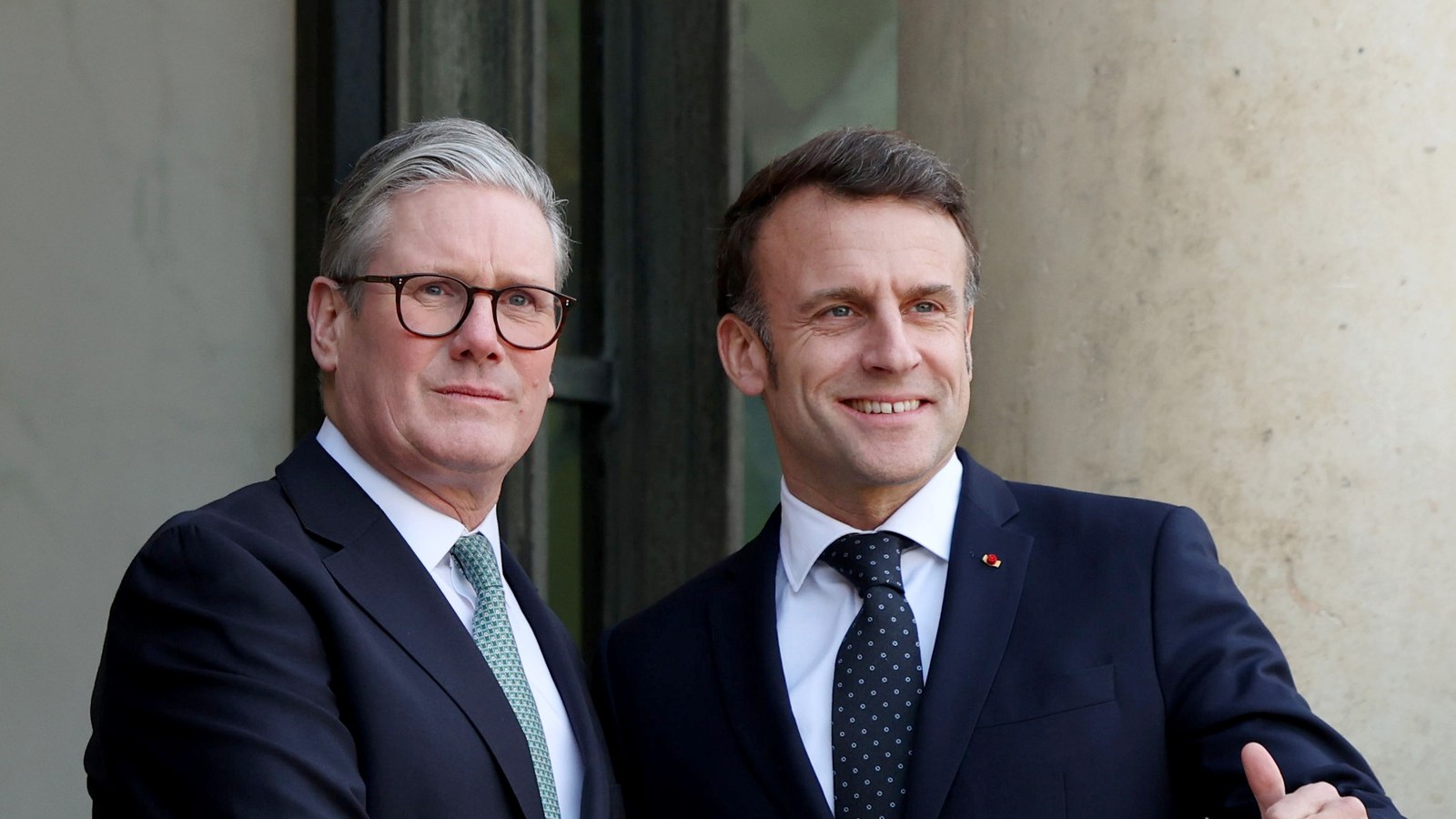
President Emmanuel Macron said on Friday, after a meeting at the Élysée with party leaders, that G7 countries would hold a gathering in the coming weeks devoted to the energy crisis stemming from the Iran war. The aim, he said, was to strengthen cooperation, avoid unnecessary tensions among members and partners, and consider options such as releases from strategic reserves or the lifting of restrictions, “as we did a few months ago.”
No date, venue or package of measures was announced. Macron was hosting domestic talks on the consequences of the Middle East and Ukraine crises for energy markets, against protests over fuel prices. The government has already extended targeted support for farming, fishing and construction until the end of the year.
Strategic reserves can temporarily soften a supply shock; they do not replace production and transport. G7 energy ministers in March stopped short of an immediate release and asked the IEA for an assessment. Returning to the theme in September shows price pressure is back, not that a joint decision is signed.
France holds the G7 presidency. A meeting “in the coming weeks” could be a call or a gathering in person. Without a calendar, markets will read the announcement as a coordination signal, not as a volume of barrels released.
The effect on French pump prices depends on the scale of any measure, how long maritime routes stay disrupted and whether other members keep discipline. Macron spoke of options, not an agreement. Lifting restrictions, if discussed, would still need separate national decisions.
Until the meeting is actually called, Friday’s remarks remain a political pledge: the G7 will put energy on the agenda. It is not a reserve release and it is not a price cap. The next test is the date and the communiqué that follows.
Image: Emmanuel Macron and Keir Starmer, Paris, 17 February 2025 / Simon Dawson, No 10 / Wikimedia Commons, OGL 3. Not Friday’s Élysée meeting. Cropped to 16:9.
Source consulted: France’s Macron says G7 will meet to discuss energy crisis in coming weeks | Reuters.






0 Comments
No comments on this article yet. Be the first!