


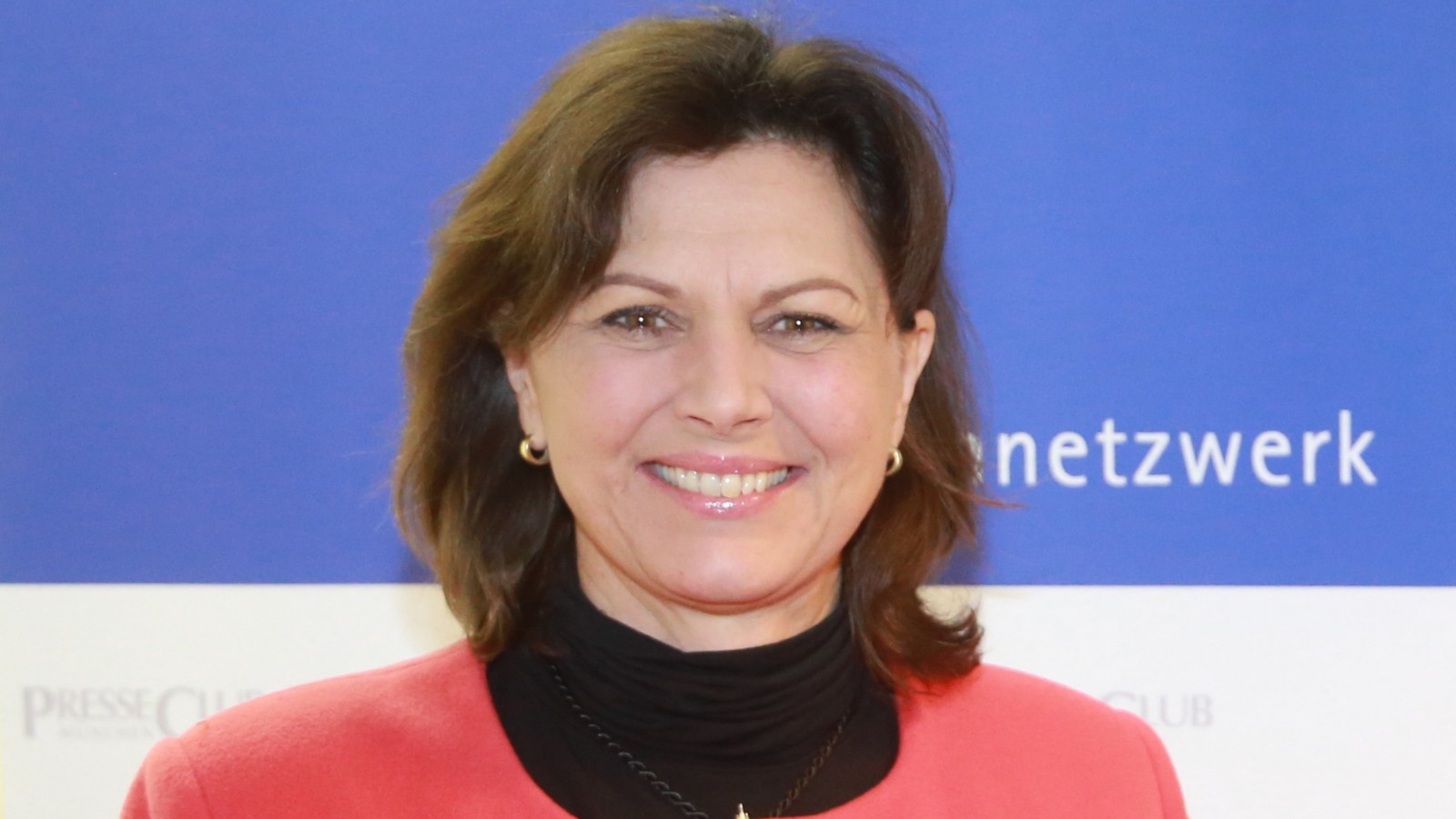
Chancellor Friedrich Merz on Monday named Ilse Aigner, speaker of the Bavarian parliament, as the conservatives’ candidate for Germany’s largely ceremonial presidency. If the Federal Convention elects her in January 2027, Aigner would become the country’s first female president — a likely outcome, not yet a formal vote.
With backing from the CDU/CSU, their Social Democrat coalition partners and the Greens, Aigner looks well placed in the assembly of federal MPs and state delegates. Frank-Walter Steinmeier’s SPD term ends in March 2027 after two terms.
The presidency mainly signs laws and formally appoints ministers, but is also expected to offer a moral voice above day-to-day politics. Merz praised the candidate’s “dignity and heart” and her commitment to democratic values against hatred and extremism.
Aigner, 61, of the CSU — the Bavarian sister of the CDU — said democracy is under attack “from within and without,” that extremists are celebrating and that division is being fuelled. Her pitch aims at the democratic centre as AfD rises in polls ahead of federal elections due in early 2029.
Trained as an electrical engineering technician, she worked at Eurocopter, entered the Bundestag in 1998 and served as agriculture minister under Angela Merkel. Since 2018 she has led the Bavarian Landtag. SPD and Green figures have publicly signalled support for a “centre” candidacy of cohesion.
The actual election is set for 30 January 2027. Until then Aigner remains a strong favourite, not the head of state. A shift in Federal Convention alliances could still change the arithmetic — unlikely, but possible on paper.
In short: Merz has put forward a CSU candidate with strong odds to be the first woman at Bellevue; the Federal Convention vote and the March 2027 handover remain the decisive steps.
Source consulted: Germany set to get its first female president after Merz backs Bavarian conservative Aigner — The Straits Times










0 Comments
No comments on this article yet. Be the first!