


Middle East oil markets are flashing signs of abundance as crude keeps flowing through the Strait of Hormuz, with the Dubai benchmark slipping into contango for the first time since July, Bloomberg reports via market coverage summarised by OilPrice.
The Dubai curve suggests rising oil flows from the region are exceeding demand for the first time since early July, when a three-week US–Iran ceasefire let millions of barrels leave Hormuz unhindered. Physical flows have been climbing for about two months as Gulf producers sped shuttle-shipping through the strait with ship-to-ship transfers in the Gulf of Oman once tankers clear the chokepoint.
Traders and brokers told Bloomberg the November Dubai contract opened this week at a discount of about $2 a barrel to December — a contango structure that points to ample prompt supply and easing fears of an immediate crude shortfall.
Rising Middle East supply has softened Dubai and Murban prices in recent weeks, drawing more buying from Asian refiners, especially in India, which have preferred additional regional cargoes to costlier Russian barrels with higher freight.
At the end of last month, physical Middle East crude prices slumped as flows recovered toward pre-war levels on some days. Unlike international futures, physical Gulf grades have weakened while oil continues to leave the Persian Gulf at volumes close to pre-war levels — excluding Iran.
Two weeks ago the Oman–Dubai premium, a gauge of Middle East market strength, fell to its lowest since late July as robust outflows pressed the metric.
Source consulted: Middle East oil markets flash signs of abundance as flows rise — Bloomberg.
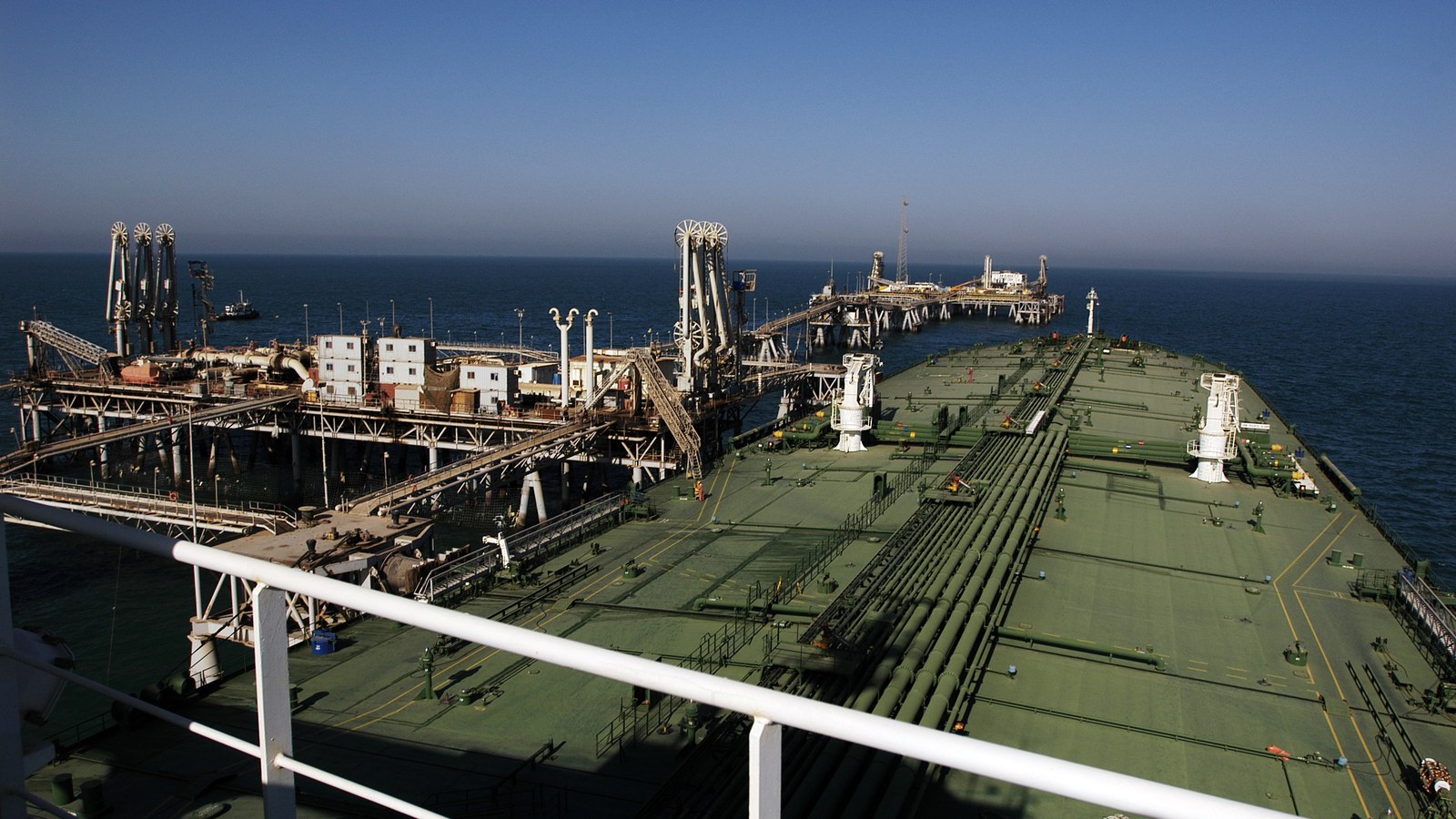
Image: oil tanker at a Persian Gulf terminal (Wikimedia Commons, public domain).
Sources consulted: Middle East oil markets flash signs of abundance as flows rise — Bloomberg.








0 Comments
No comments on this article yet. Be the first!