
NASA Innovative Advanced Concepts, known as NIAC, is using its annual symposium to present ideas that ask a fundamental question: what might space missions look like decades from now?
NIAC funds studies at very early stages. They are not NASA missions approved for launch, nor technologies that the agency says will definitely reach space.
The 2026 symposium runs from 15 to 17 September at Wichita State University in Kansas, in a hybrid format that is free and open to the public.
That experimental nature is precisely what makes the programme notable.
Concepts under discussion include technologies intended to obtain far more detailed information about exoplanets, including ideas that could one day help distinguish surface features on worlds orbiting other stars.
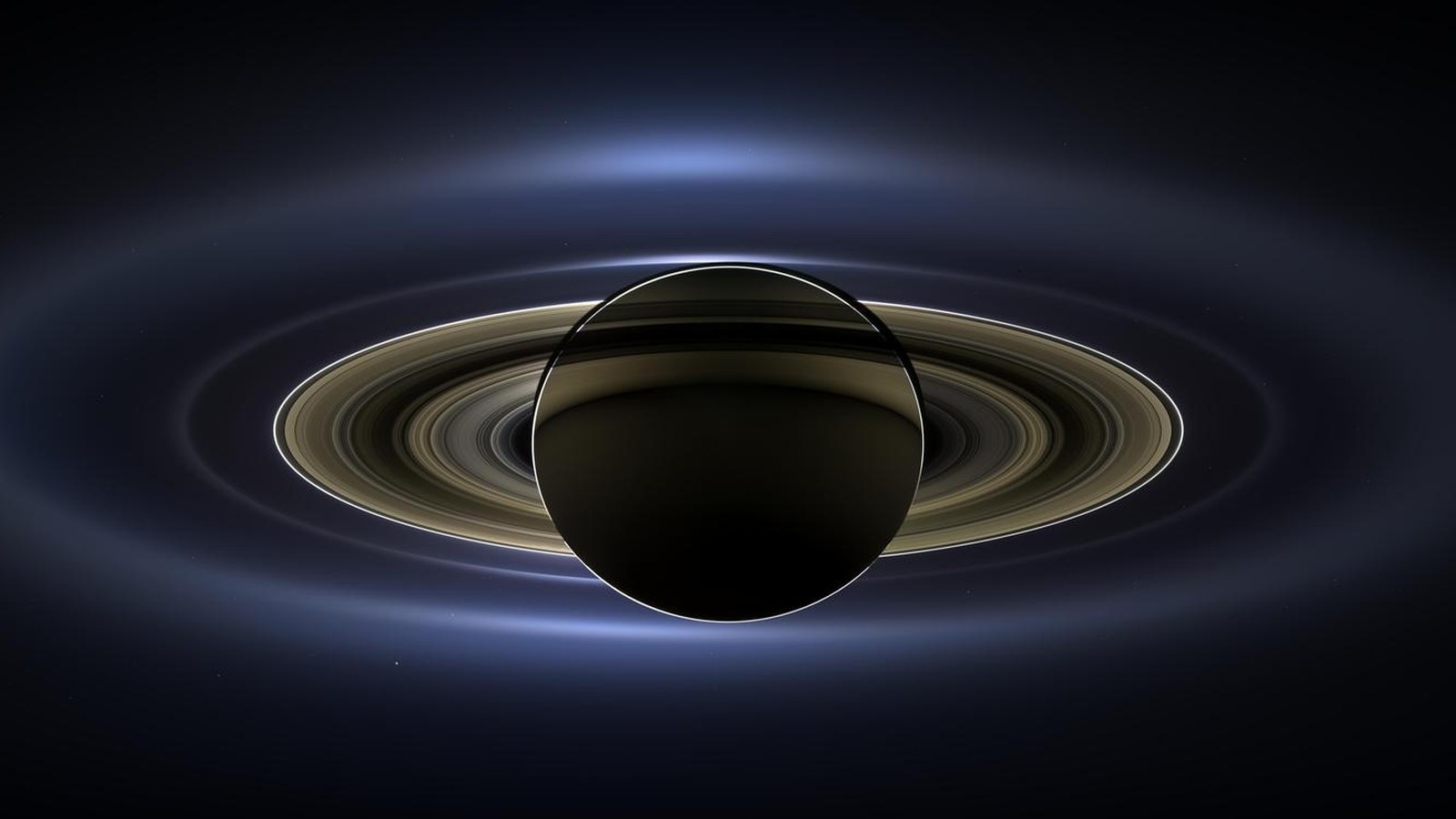
Other research examines systems made up of many very small spacecraft or satellites for exploring difficult environments, including the complex region around Saturn’s rings.
The programme also includes concepts related to gravitational-wave detection and new propulsion approaches, including research into advanced nuclear systems.
NIAC’s purpose is to allow researchers to test theoretically ideas that may appear unusual today before NASA or other organisations decide whether they merit later-stage development.
The history of space exploration shows that many technologies now considered ordinary began as experimental concepts, but most early-stage ideas do not automatically become operational missions.
Reporting on NIAC therefore needs to preserve the distinction between a “concept under study” and a “planned mission”.
Image: NASA / JPL-Caltech / Space Science Institute. Cassini, 19 July 2013 (PIA17172). Public domain. Cropped to 16:9.
Source consulted: NIAC Symposium | NASA; NIAC 2026 Selections | NASA.










0 Comments
No comments on this article yet. Be the first!