


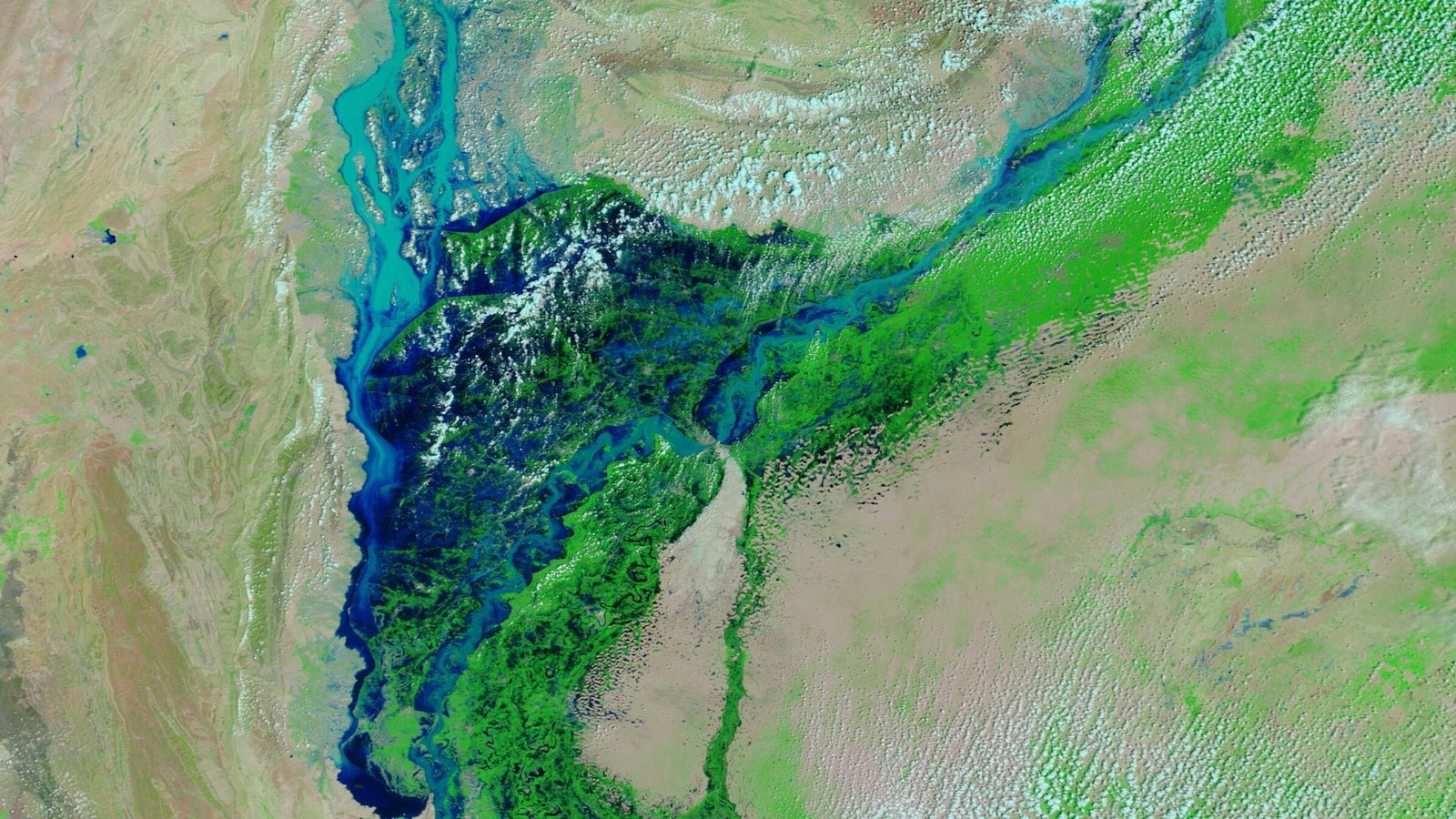
Health and environmental experts in Pakistan are calling for urgent steps against climate-related health risks after a Lancet report warned that heat-related deaths, floods, droughts and economic losses are outpacing global efforts to fight climate change, Dawn reports.
The 2026 Lancet Countdown report, launched at the British Library in London, urged that climate change be recognised as a “global health emergency,” a decade after the Paris Agreement. Average annual heat-related deaths worldwide have risen 36% since Paris; in 2023 heat was linked to a record 710,000 deaths, with more than 70% attributed to human-caused warming. Heat-related economic losses reached an estimated $1.07 trillion in 2025.
Former Punjab health minister Professor Dr Javed Akram said the warning was especially urgent for Pakistan, where the 2022 floods displaced communities, damaged health infrastructure, disrupted essential medicines and raised waterborne disease and malnutrition risks. Extreme heat further threatens children, older adults, outdoor workers and people with chronic illness.
Akram criticised a historically reactive disaster approach — preparations often begin only after disasters hit — and called for heat-health action plans, early-warning systems, climate-proof hospitals, stronger disease surveillance, safe water and sanitation, plus dedicated funding and predictable grant-based climate finance.
Former special assistant to the prime minister on health Dr Zafar Mirza warned that climate change is a growing public-health emergency: extreme heat, flash floods, cloudbursts and worsening air quality cause illness and death while disrupting care, contaminating water, undermining nutrition and deepening poverty and psychological distress.
Professor Muhammad Irfan Khan voiced concern that Lancet Countdown’s launch statement did not mention Pakistan despite its exposure; Germanwatch’s Climate Risk Index 2025 ranked Pakistan the country most affected by extreme weather in 2022. He urged greater visibility for vulnerable countries and a role for affected communities in shaping responses.
Source: Pakistan’s climate defences under scrutiny amid Lancet warning | Dawn









0 Comments
No comments on this article yet. Be the first!