
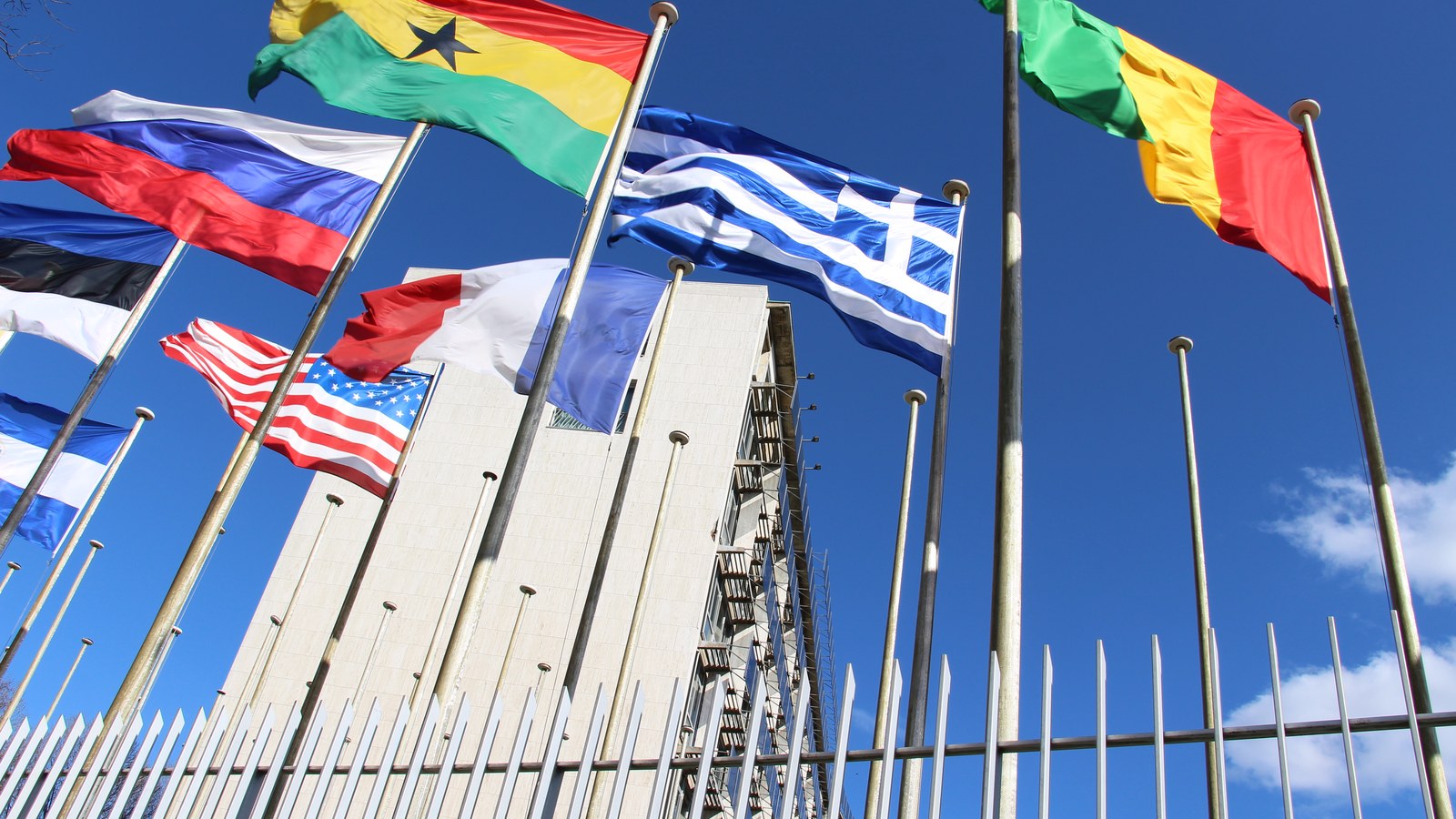
UNESCO is bringing together scientists, ethics experts, educators and policymakers on 16 September to examine possible trajectories for quantum technologies and what they could mean for education, research and governance. The “Quantum Science and the Future of Quantum Technologies” dialogue is being held at UNESCO headquarters in Paris, in Room VI, from 14:00 to 15:30 Europe/Paris, with virtual participation available.
The session comes one year after the 2025 International Year of Quantum Science and Technology and forms part of UNESCO’s Global Quantum Initiative for 2026–2028. Quantum technologies cover computing, communications, sensing and research tools, not only quantum computers.
The organisation is warning about a “quantum divide”. According to the initiative’s page, global investment in the field exceeds $55.7 billion, yet more than 150 countries lack national quantum strategies and participation from the Global South remains limited.
The initiative aims to narrow that gap through education, training, infrastructure access, science diplomacy and responsible innovation. Announced targets include training more than 1,000 quantum professionals, engaging more than 70 member states — especially in the Global South — publishing more than 30 open resources and forming at least 15 infrastructure-access partnerships.
The 16 September dialogue also considers how to operationalise recommendations from the COMEST report on the ethics of quantum computing, as well as open science and research cooperation. Ethical questions are being raised before the technologies reach full maturity.
Sufficiently capable quantum computers could change some areas of simulation and optimisation and may, in time, affect some cryptographic systems in use today. Access to equipment and expertise is expensive, however, which can concentrate benefits in a small number of countries. UNESCO presents GQI as a platform for cooperation and capacity building, not a body that controls worldwide quantum research.
Image: Fred Romero, Wikimedia Commons, CC BY 2.0. UNESCO headquarters, Paris, not a quantum laboratory. Cropped to 16:9.
Source consulted: Quantum science and the future of quantum technologies (UNESCO, 16 September 2026); Global Quantum Initiative 2026–2028 (UNESCO).





0 Comments
No comments on this article yet. Be the first!