


The Washington Post reports from Caracas that Venezuelans are taking to the streets, often at night, against blackouts, electricity shortages and inflation, at a pace not seen in years. The main complaint is the power grid. Under Nicolás Maduro, nighttime darkness was feared because it covered masked security forces in black uniforms. Now, the paper writes, the darkness itself is the grievance. The line that the country is “effectively under U.S. control” is the Post’s, not a finding made here.
The Post places the protests ten months after the U.S. military seized Maduro. HNGN gives the dates: 3 January, when he was flown to New York to face trial, and 5 January, when Vice President Delcy Rodríguez was sworn in as interim president with Donald Trump’s backing. No date has been set for a presidential election. In September, Trump said “it’s so raw now” and that the United States has “complete control”. Those are his words.
The Venezuelan Observatory of Social Conflict counted more than 1,100 protests in September, about 37 a day, the highest September since it began monitoring in 2008, according to the Post, as cited by the Latin Times. Nearly half concerned electricity. HNGN breaks that down as 1,101 protests, 531 of them over power, against 187 in September 2025, and more than 4,000 from January through August, roughly triple earlier comparable periods. Coordinator Marco Antonio Ponce says the night protests show the desperation of people who go more than 24 hours, and sometimes days, without electricity.
The Post puts available generating capacity at about 12 gigawatts, against estimated demand of 16. The outages cut water, refrigeration, businesses and communications, and they complicate efforts to raise oil production. Reuters, cited by the Latin Times, says less than 40 percent of generation capacity is operational: that is a different measure, not the same figure. An ANOVA study, also via the Latin Times, finds daily cuts in 62.8 percent of households in 2026, against 37.1 percent in 2024, and uninterrupted service in only 6.9 percent. The government attributes part of the shortage to weather and demand; specialists point to poor maintenance and years of underinvestment.
On 10 November the National Assembly approved opening the electricity sector to private companies, after nearly two decades of state control, Reuters reports. Private participation would come through joint ventures with the state and concessions of up to 25 years.
Rodríguez announced in October that the Christmas season would begin on 1 November, as Maduro used to do, citing economic activity and public happiness, HNGN reports. Residents interviewed by the Post described holiday decorations in neighbourhoods that still go for hours without power.
María Corina Machado returned on 25 October, after nearly a year abroad, and is pressing for an election date, HNGN writes. An AtlasIntel poll taken from 2 to 7 October gave her 52 percent and Rodríguez 19 percent. A poll is not a result.
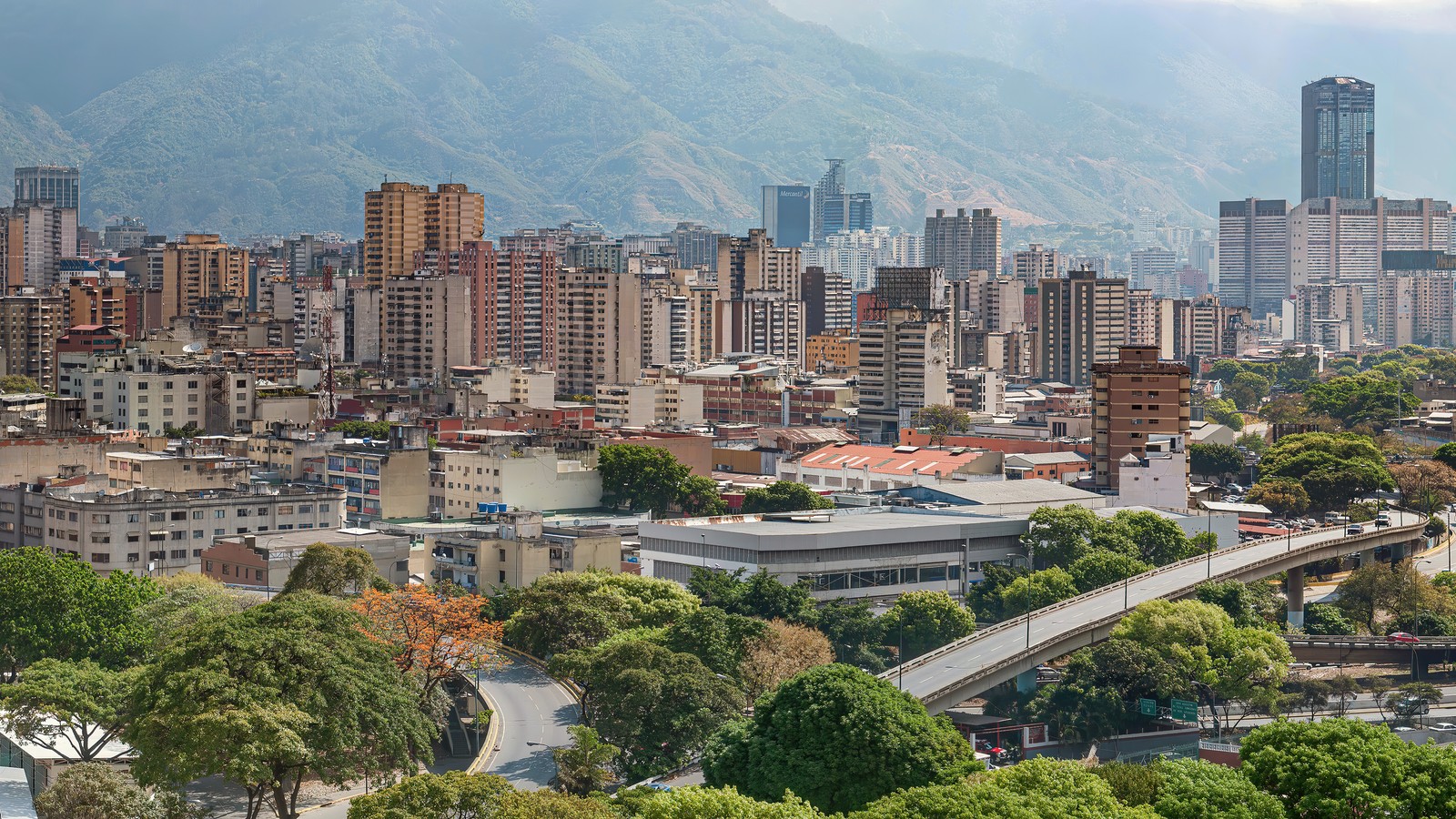
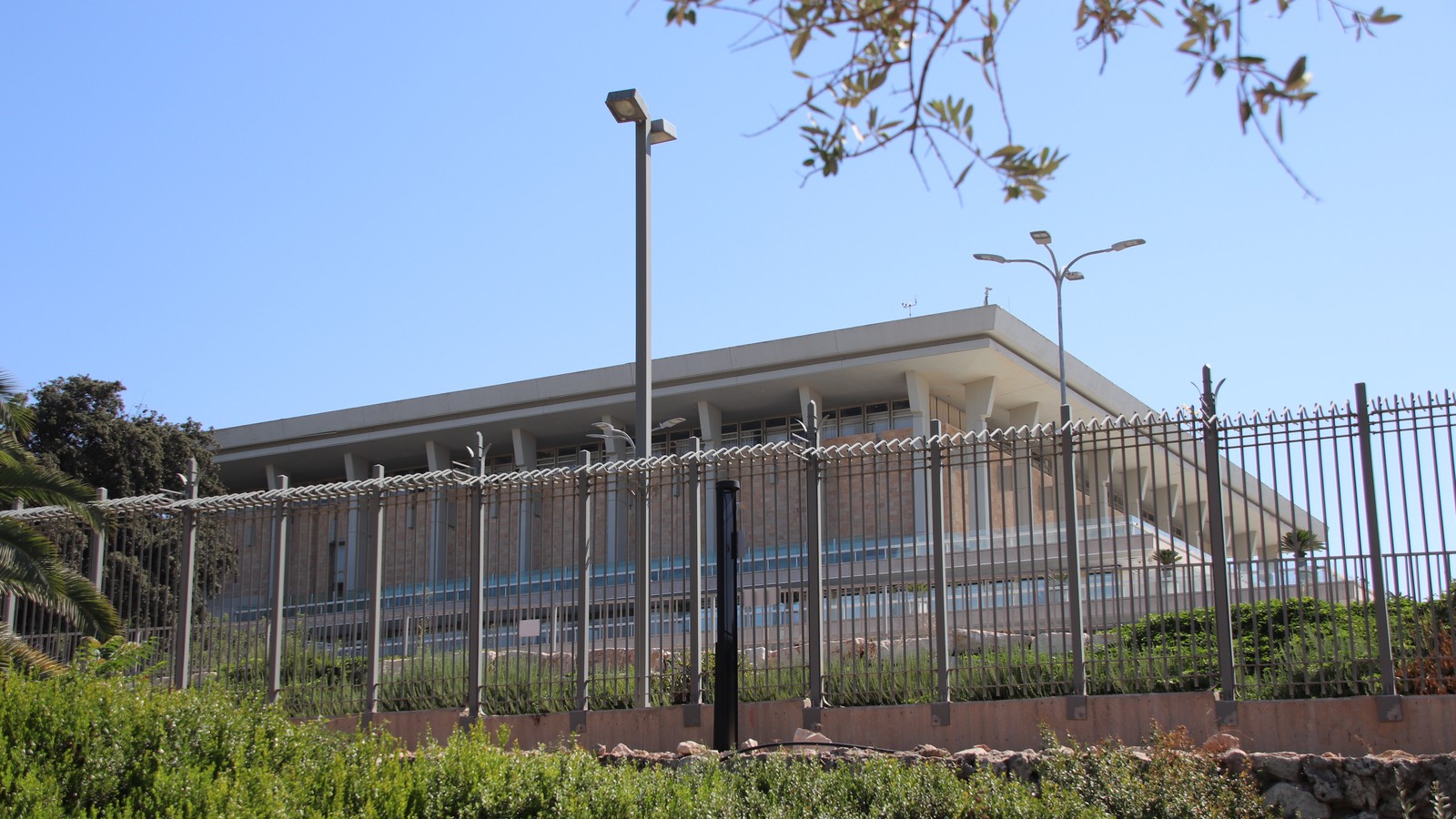
The photograph shows Caracas in daylight, from the area of the military hospital, not a protest and not a blackout. Image: Wilfredor, Wikimedia Commons, CC0.
Source: As Venezuelans protest blackouts, U.S.-backed leader declares early Christmas, The Washington Post.






0 Comments
No comments on this article yet. Be the first!