
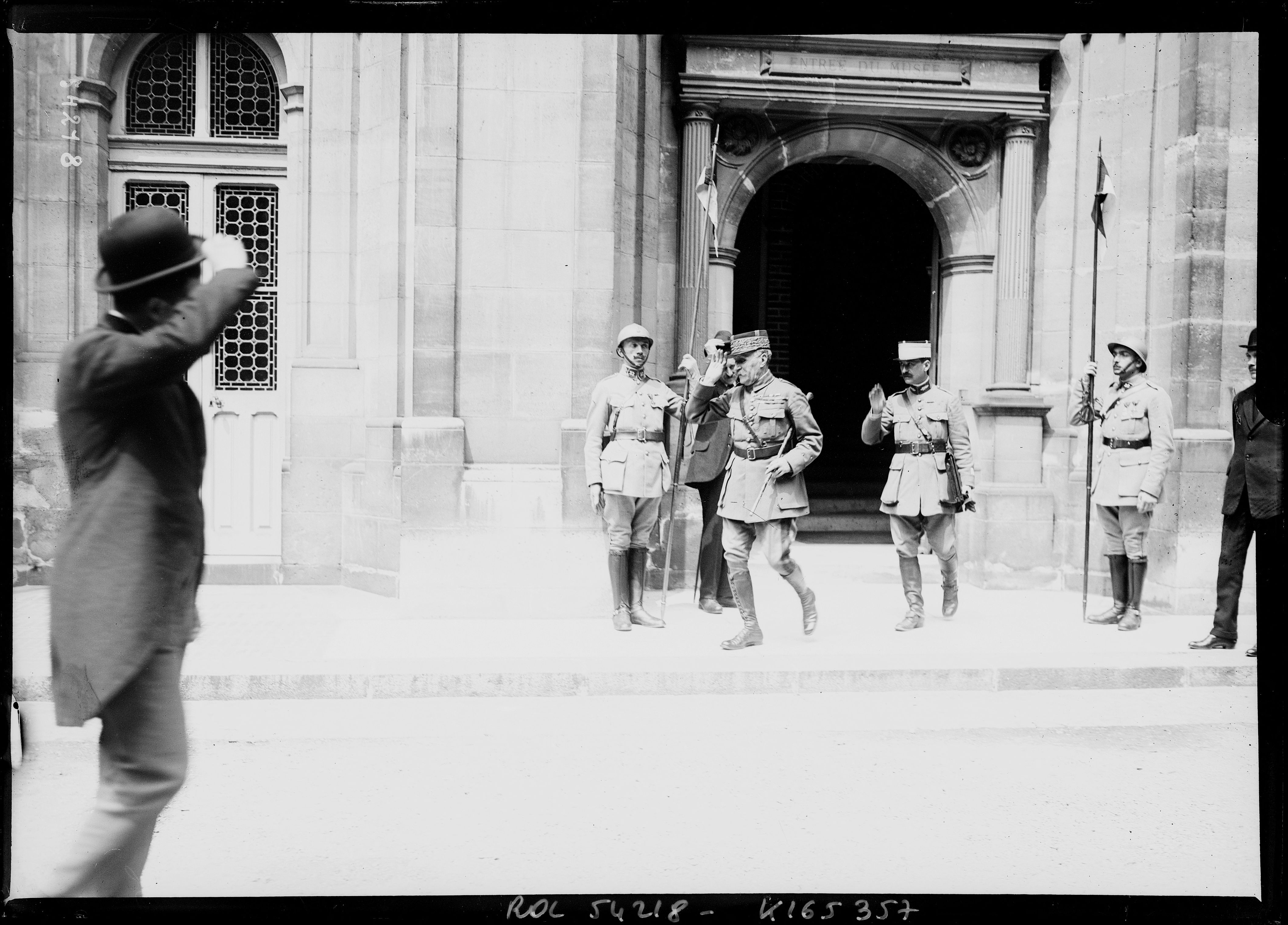
September 10, 2026 marks 107 years since the signing of the Treaty of Saint-Germain-en-Laye, one of the major international agreements that reorganised Europe after the First World War and a document of particular importance to Romanian history. The treaty was signed on September 10, 1919, at Saint-Germain-en-Laye near Paris, between Austria and the victorious Allied and Associated Powers of the First World War.
The document formed part of the system of peace treaties negotiated after the conflict and established Austria's new international position following the dissolution of the Austro-Hungarian Empire. Until 1918, Austria-Hungary had been one of Europe's largest empires. Within its borders lived numerous peoples and national communities, including Germans, Hungarians, Czechs, Slovaks, Romanians, Croats, Slovenes, Poles, Ukrainians, Italians and others.
The defeat of the Central Powers and the national movements that emerged at the end of the war led to the empire's disintegration. New states emerged or consolidated themselves on its former territories, while other regions became part of neighbouring countries. The Treaty of Saint-Germain formally recognised the Republic of Austria and established a series of new territorial realities resulting from the collapse of the empire.
For Romania, one of its most important consequences was the recognition of the union of Bukovina with Romania. Bukovina had been under Habsburg rule since 1775. Following the collapse of Austria-Hungary, the General Congress of Bukovina, meeting in Chernivtsi, voted on November 28, 1918 for the unconditional union of Bukovina with the Kingdom of Romania. The decision formed part of the broader process of 1918 during which Bessarabia, Bukovina and Transylvania united with Romania.
International recognition of the new territorial realities, however, required treaties between the victorious states and the former Central Powers. The Treaty of Saint-Germain represented one of the fundamental stages of this process in the case of Bukovina. Under the treaty, Austria renounced rights over territories of the former empire that were no longer part of the new Austrian state, while the new territorial configuration received recognition within the international system created after the war.
The document also had major consequences for other European states. The independence of Czechoslovakia and the Kingdom of Serbs, Croats and Slovenes, which would later become Yugoslavia, was recognised. Austria lost the territories that had belonged to the old empire and became a considerably smaller state centred primarily on its German-speaking population. The treaty also imposed military restrictions: the Austrian army was limited, while the new state could not unite with Germany without the approval of the League of Nations.
Saint-Germain, however, must be understood as part of a broader system of treaties. The Treaty of Versailles had established peace with Germany, Saint-Germain dealt with Austria, the Treaty of Neuilly would establish peace with Bulgaria, and the Treaty of Trianon in 1920 would regulate relations with Hungary. Together, these agreements redrew the map of Central and Eastern Europe. The new European order did not eliminate tensions: the new borders left numerous national minorities within other states, while territorial and political grievances would strongly influence European relations during the interwar period.
For Romania, the peace treaties following the First World War were of fundamental importance because they provided the international framework for recognition of a significant part of the territorial changes that had taken place in 1918. The Treaty of Saint-Germain occupies a special place in this history because of its direct connection with Bukovina.
One hundred and seven years after its signing, the document remains significant not only as a diplomatic treaty but also as evidence of one of the most extensive political and territorial transformations experienced by modern Europe. On September 10, 1919, following the disappearance of an empire that had dominated Central Europe for centuries, the victorious powers were attempting to construct a new continental order. For Romania, one of the essential consequences of that moment was the international recognition, through the peace treaty with Austria, of Bukovina's union with the Romanian state.
Source consulted: Treaty of Saint-Germain-en-Laye (1919) | Wikipedia






0 Comments
No comments on this article yet. Be the first!