
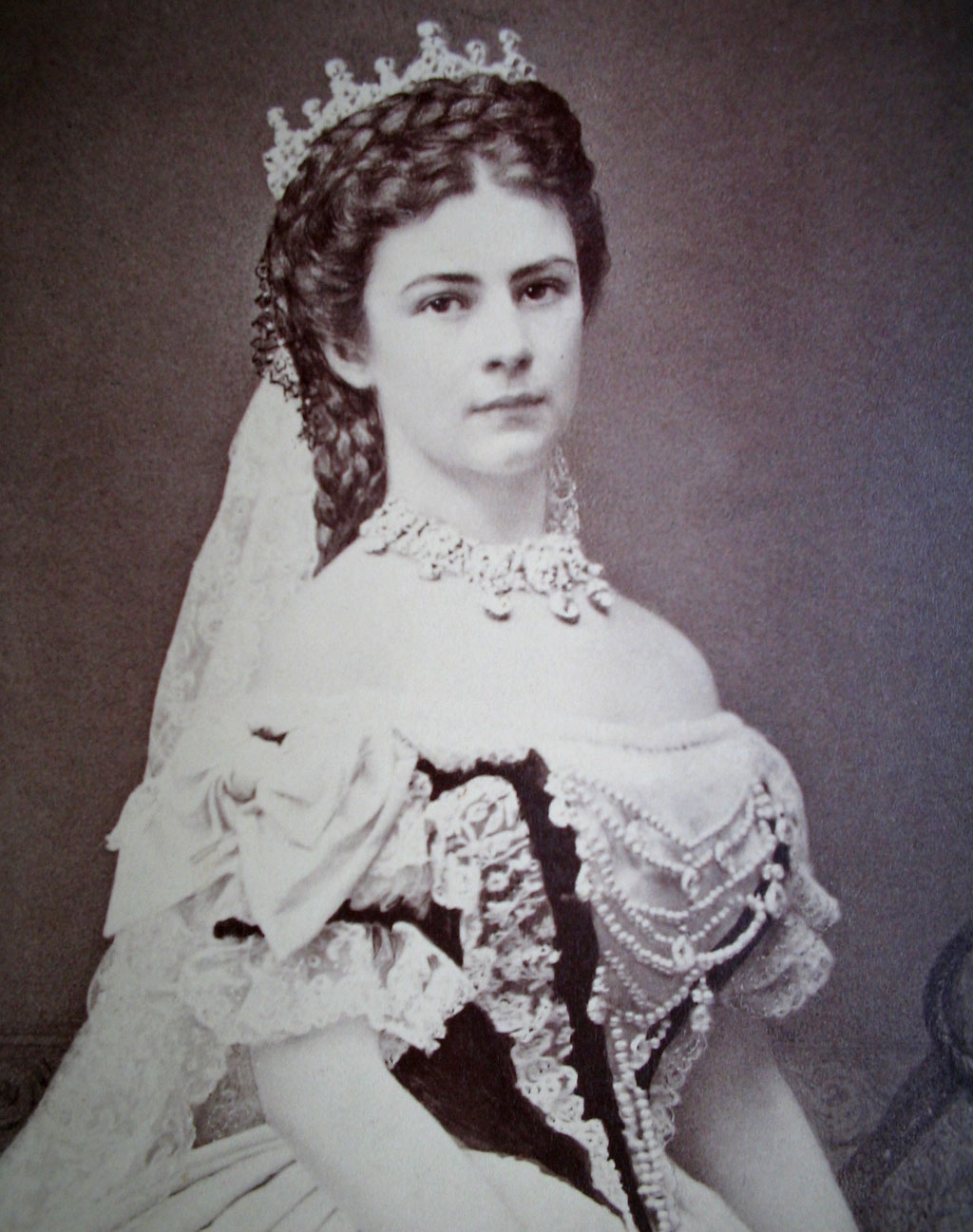
September 10, 2026 marks 128 years since the death of Empress Elisabeth of Austria, known around the world as Sisi, one of the most famous and unusual figures among Europe's nineteenth-century monarchies. Elisabeth was assassinated in Geneva, Switzerland, on September 10, 1898, by Italian anarchist Luigi Lucheni. She was 60 years old.
Her death shocked Europe and brought a dramatic end to the life of a woman who had become empress at just 16 but had a complicated relationship with the strict rules and obligations of the imperial court in Vienna. Elisabeth Amalie Eugenie was born on December 24, 1837, in Munich, Bavaria. She came from the Bavarian ducal branch of the Wittelsbach family and spent an important part of her childhood in surroundings considerably less formal than the Habsburg court she would later encounter.
Her destiny changed dramatically during her teenage years. Emperor Franz Joseph I of Austria was initially expected to meet Elisabeth's elder sister, Helene, in connection with a possible marriage. Instead, the emperor fell in love with Elisabeth and decided to marry her. Their wedding took place in Vienna on April 24, 1854. Elisabeth was only 16 years old.
Life as an empress proved very different from the relative freedom of her childhood. Strict protocol, official obligations and difficult relationships within the imperial court placed considerable pressure on the young empress. Over time, Sisi became famous for her extraordinary attention to her physical appearance, her exceptionally long hair, demanding exercise routines and frequent travels. But the romantic image later preserved by popular culture conceals a much more complicated life.
One area in which Elisabeth exercised significant political influence was the relationship between the Habsburg monarchy and Hungary. The empress sympathised with the Hungarians, learned the Hungarian language and developed close relationships with members of the Hungarian elite. She supported reconciliation between the emperor and Hungary, a process that contributed to the Austro-Hungarian Compromise of 1867 and the creation of Austria-Hungary. That same year, Franz Joseph and Elisabeth were crowned King and Queen of Hungary.
The empress's personal life, however, would be marked by tragedy. In 1889, her only son, Crown Prince Rudolf, was found dead at Mayerling together with Baroness Mary Vetsera. The event became known as the Mayerling incident and represented one of the greatest personal blows of Elisabeth's life. Following her son's death, the empress largely wore black and travelled increasingly often, withdrawing to a great extent from public life.
Nine years later, one of those journeys would be her last. On September 10, 1898, Elisabeth was staying in Geneva and was preparing to board a steamship on Lake Geneva. Luigi Lucheni, a 25-year-old Italian anarchist, had learned from newspaper reports that the empress was in the city. Elisabeth had not originally been Lucheni's intended target; he wanted to assassinate a member of the aristocracy or royalty, and the empress's presence in Geneva provided him with a target.
As Elisabeth walked towards the ship with her companion, Countess Irma Sztáray, Lucheni approached and stabbed her in the chest with a sharpened file. At first, the seriousness of the injury was not understood. The empress got back to her feet and continued towards the ship. Shortly after departure, however, her condition deteriorated rapidly. It was discovered that the weapon had penetrated her heart. Elisabeth was taken back to her hotel, where she died.
Her assassination caused a powerful reaction across the continent. One of Europe's best-known women had been killed not inside a palace or during a military conflict, but while undertaking an apparently ordinary journey. Elisabeth was buried in the Imperial Crypt in Vienna alongside members of the Habsburg family. In the decades that followed, films, books and other cultural works created the romantic image of the beautiful "Sisi", but historical records reveal a much more complex personality: an empress who rejected many conventions of court life, travelled constantly, wrote poetry and continually sought independence in a world dominated by protocol.
One hundred and twenty-eight years after her assassination, Elisabeth of Austria remains one of the best-known figures of the Habsburg Empire, while the story of her final day in Geneva continues to stand as one of the dramatic episodes of nineteenth-century European history.
Source consulted: Empress Elisabeth of Austria | Wikipedia






0 Comments
No comments on this article yet. Be the first!