
On 19 September 1893, Governor Lord Glasgow signed the Electoral Act. New Zealand became the first self-governing country in which women could vote in national parliamentary elections. The wording matters: some communities had earlier local forms of female suffrage; 1893 is the landmark at the scale of a self-governing state.
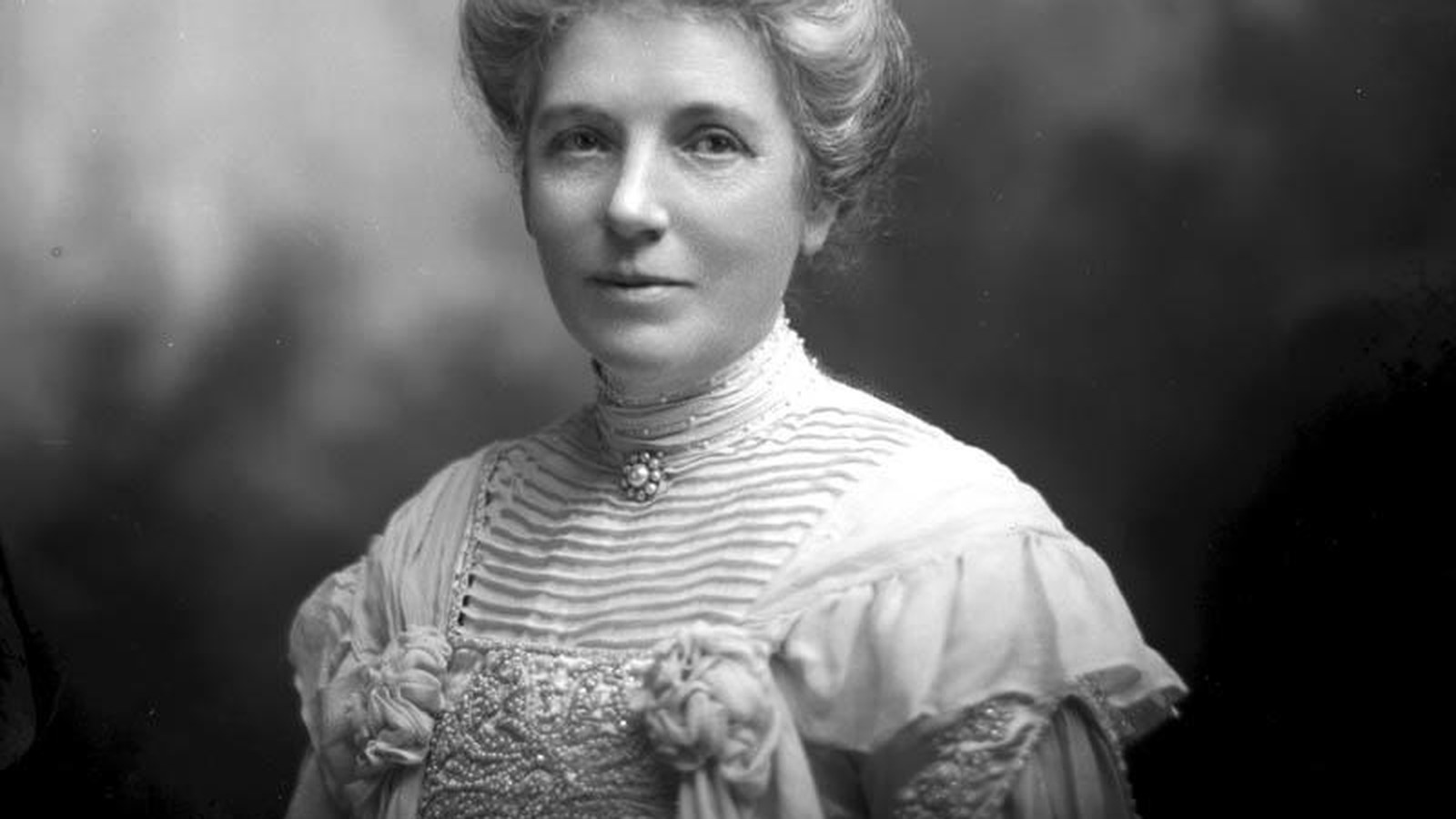
The law did not arrive unbidden. The campaign lasted years — meetings, pamphlets, petitions. Kate Sheppard remains the best-known figure in New Zealand’s suffrage movement, but the organisers’ list is longer than a single textbook name.
The 1893 petition, assembled in paper rolls, was signed by more than 25,000 women, a significant share of the adult European female population. The scale of the signatures made the reform hard for Parliament to ignore.
The right was first used in the general election of 28 November 1893. High turnout showed interest, not merely a statute. Full political equality did not follow at once: women could not stand for Parliament until 1919, and the first woman MP, Elizabeth McCombs, was elected in 1933.
The 133rd anniversary is a democratic landmark, not a certificate that every barrier fell with the royal assent. New Zealand’s example fed suffrage campaigns elsewhere without exporting its timetable automatically.
The Ministry for Women and Parliament in Wellington keep the history of the vote as part of civic identity. This article describes the law and its limits, not a legend without unfinished business.
Image: Kate Sheppard / Wikimedia Commons. A period portrait, not the petition rolls and not the signing of the Electoral Act. Cropped to 16:9.
Source consulted: New Zealand women and the vote | NZHistory; Women’s Suffrage in Aotearoa New Zealand | Ministry for Women.







0 Comments
No comments on this article yet. Be the first!