
On 19 September 2011, at Yankee Stadium, Mariano Rivera finished the ninth inning against the Minnesota Twins without allowing a runner to reach base. It was the 602nd save of his career and moved him past Trevor Hoffman’s 601. In baseball the closer is the pitcher typically called at the end of a tight game to protect a lead.
Born in Panama, Rivera spent his entire major-league career with the New York Yankees. He relied especially on the cutter. He helped win five World Series titles and was consistent in the regular season and the playoffs.
He retired in 2013 with 652 saves — the MLB benchmark at the time this text was written. In 2019 he became the first player elected unanimously to the National Baseball Hall of Fame by eligible voters of the Baseball Writers' Association of America.
The save is a relatively modern statistic. The closer’s importance has shifted with how teams use relief pitchers. The 2011 record is a moment, not a theory about the “end” of the role.
The 15th anniversary is of a numerical threshold, checkable in the league archive. It does not turn a relief appearance into a myth without a figure.
For a reader who does not follow MLB: 602 means 602 games finished with the lead protected, under the league’s statistical rules, not 602 “personal wins” in a football sense.
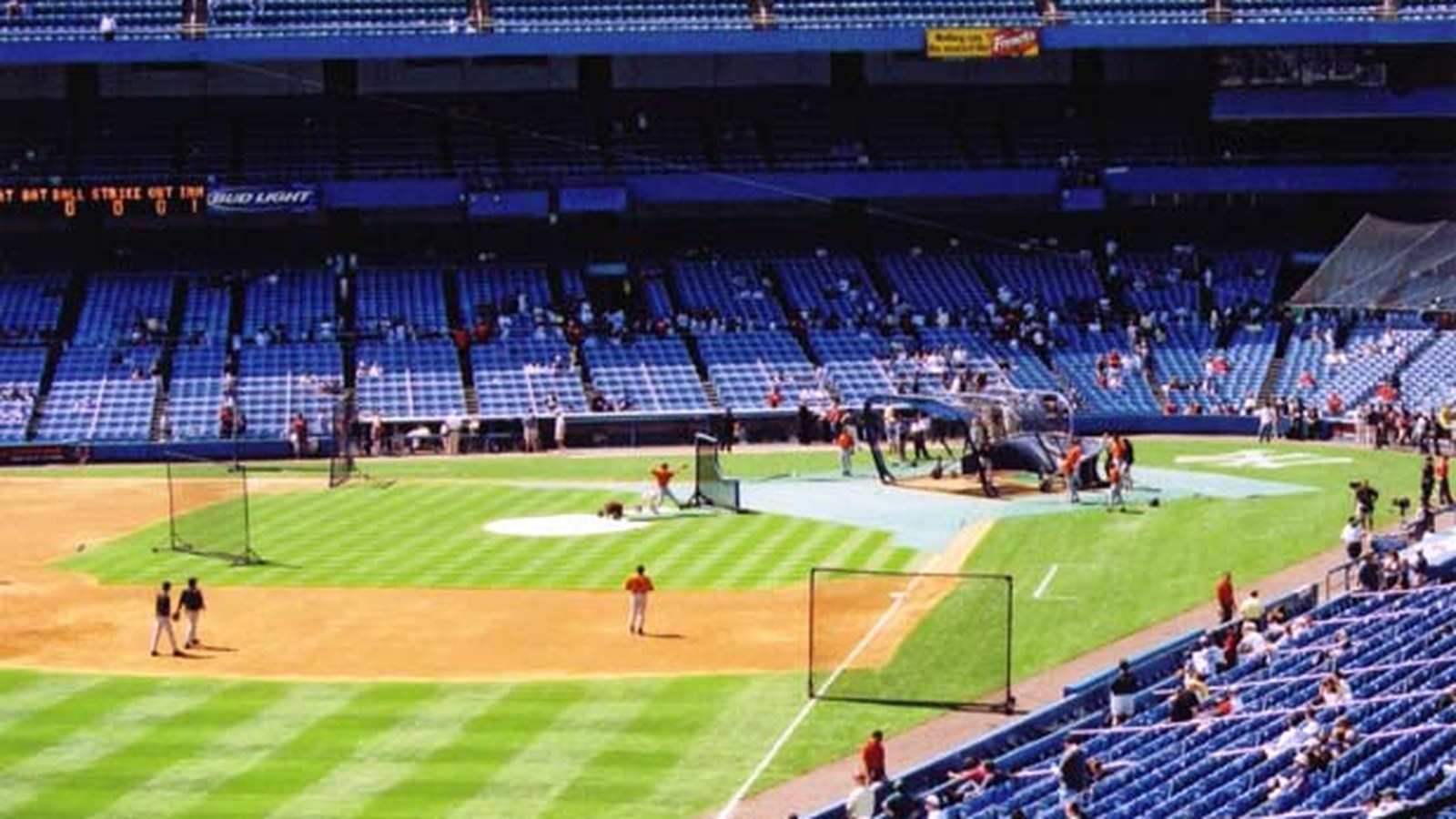
Image: a Yankees ballpark / Wikimedia Commons. A field interior, not the 2011 record save at the new Yankee Stadium. Cropped to 16:9.
Source consulted: Mariano Rivera | National Baseball Hall of Fame; Rivera reaches 600 career saves | National Baseball Hall of Fame.




0 Comments
No comments on this article yet. Be the first!