
On 18 September 1851 a four-page newspaper went on sale in New York for one cent under the name The New-York Daily Times. The founders, journalist and politician Henry Jarvis Raymond and banker George Jones, promised a daily paper, except on Sundays, that would treat the news more soberly than the scandal sheets of the day.
The local market was already crowded. New York dailies differed in price, audience and tone: some sold sensation, others commercial notices. The new title entered that landscape without the archive or correspondent network that later defined its identity.
In 1857 the name was shortened to The New-York Times; the hyphen later fell out of use. The shift from local and commercial reporting towards national and international correspondence, investigations, culture and science took decades, not a single redesign, and tracked changes in printing and the telegraph.
A turning point came in 1896, when Adolph S. Ochs took control of the paper. The motto “All the News That’s Fit to Print” was used to distinguish it from yellow journalism. The slogan should not be read as a moral scorecard for the entire history of the publication: standards, omissions and errors changed from one newsroom generation to the next.
The twentieth century brought press photography, radio, television and then computerised newsrooms. The move online and the digital-subscription model recast the economics of news again. The TimesMachine archive still makes the first issue of 18 September 1851 available as a consultable document rather than an inaccessible relic.
The 175th anniversary marks the longevity of a title, not unbroken editorial superiority. It is a reference point for how professional journalism, the relationship with readers and the financing of the press have been remade from a one-cent sheet to apps, podcasts and video.
Anyone who wants to see how the paper looked on launch day can open the TimesMachine facsimile. The rest of the history — from Ochs to the digital newsroom — belongs in separate sources, without projecting today’s standards onto 1851.
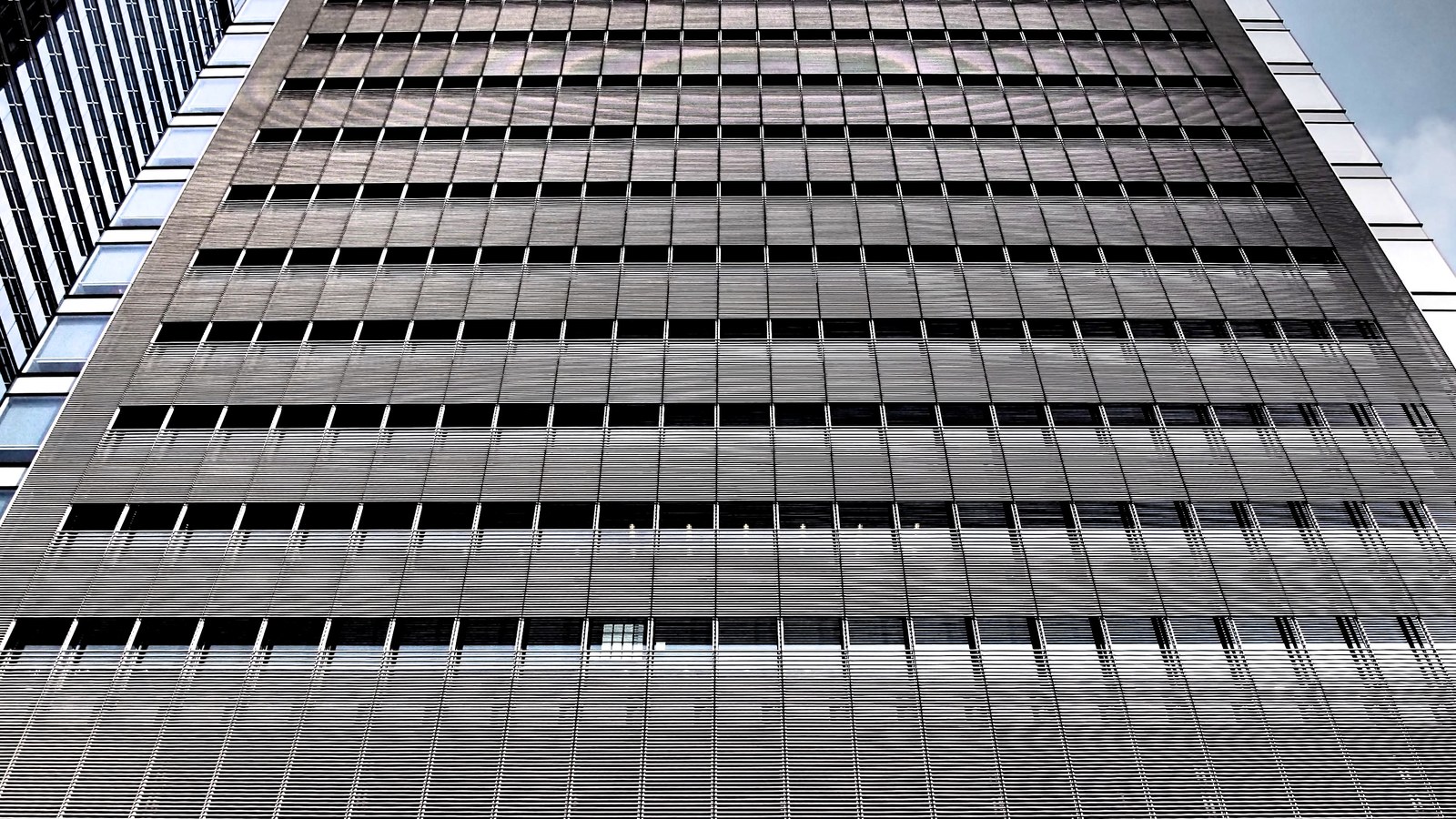
Image: The New York Times Building, Manhattan / Wikimedia Commons. A contemporary headquarters, not the 18 September 1851 facsimile. Cropped to 16:9.
Source consulted: TimesMachine — issue of 18 September 1851 | The New York Times; Encyclopaedia Britannica — The New York Times.



0 Comments
No comments on this article yet. Be the first!