
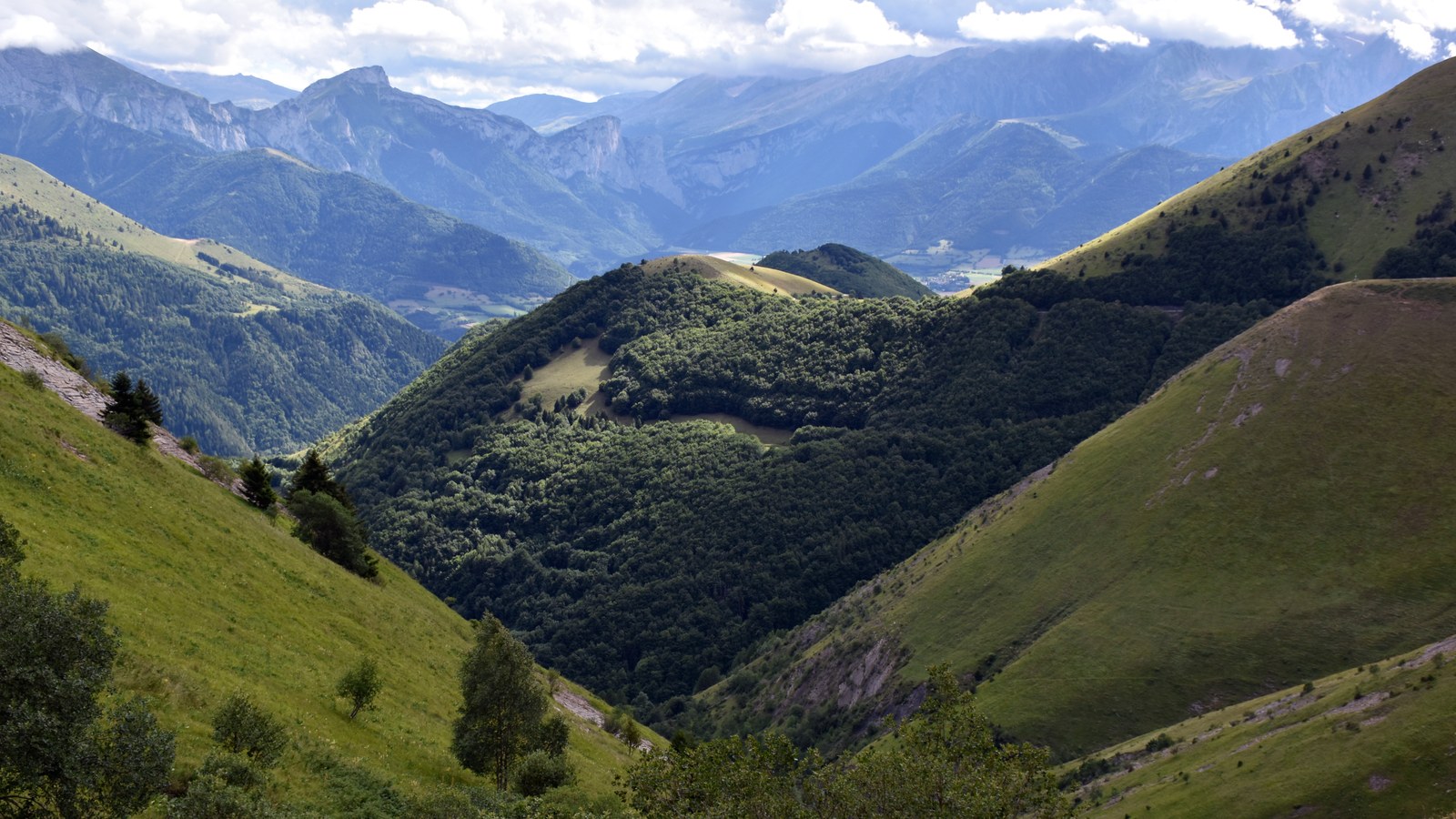
On 19 September 1846, in the mountain pastures above the village of La Salette-Fallavaux in the French Alps, two children tending cattle — eleven-year-old Maximin Giraud and Mélanie Calvat, about fourteen — said they had met a luminous woman who was weeping. In Catholic tradition the episode is venerated as an apparition of the Virgin Mary. 19 September 2026 marks 180 years since that account, not since a scientific demonstration of a supernatural event.
According to the children’s testimony, the woman spoke of conversion, prayer, Sunday observance and an end to blasphemy, in French and in the local dialect. They also said they had received words meant only for them. Those “secrets” later produced texts, interpretations and controversy, which should not be confused with the public message examined in the diocesan inquiry.
The account quickly attracted pilgrims and prompted Church investigations. Philibert de Bruillard, Bishop of Grenoble, authorised public devotion connected with the event in 1851 after a diocesan inquiry. The sanctuary presents that recognition as an ecclesiastical judgment dated 19 September 1851. It remains a judgment within Catholic belief, not a laboratory proof.
Opposition did not vanish at once. Some clergy remained doubtful, and alternative explanations of the episode circulated. In 1852 the same bishop announced a sanctuary on the mountain and founded the Missionaries of Our Lady of La Salette to receive pilgrims and spread a message of reconciliation.
The church built on the slope was later raised to basilica rank. The site became an international pilgrimage destination. The missionary congregation and associated sisters carried the devotion to many countries. The anniversary therefore has both a religious and a cultural dimension: Alpine architecture, rituals, communities and debates lasting generations.
The 2026 commemoration does not require the reader to accept or reject the apparition as a demonstrated fact. It asks for a distinction between the children’s testimony, the ecclesiastical inquiry and the pilgrimage heritage that followed. La Salette remains a landmark of nineteenth-century Alpine Catholicism, not a file closed by science.
Image: Vassil / Wikimedia Commons, CC0. Sanctuary of Notre-Dame de La Salette, 24 July 2017. Contemporary landscape of the pilgrimage site, not a depiction of the 19 September 1846 account. Cropped to 16:9.
Source consulted: History of the apparition | Sanctuaire Notre-Dame de La Salette; La Salette | Catholic Encyclopedia; Diocèse de Grenoble-Vienne.





0 Comments
No comments on this article yet. Be the first!