
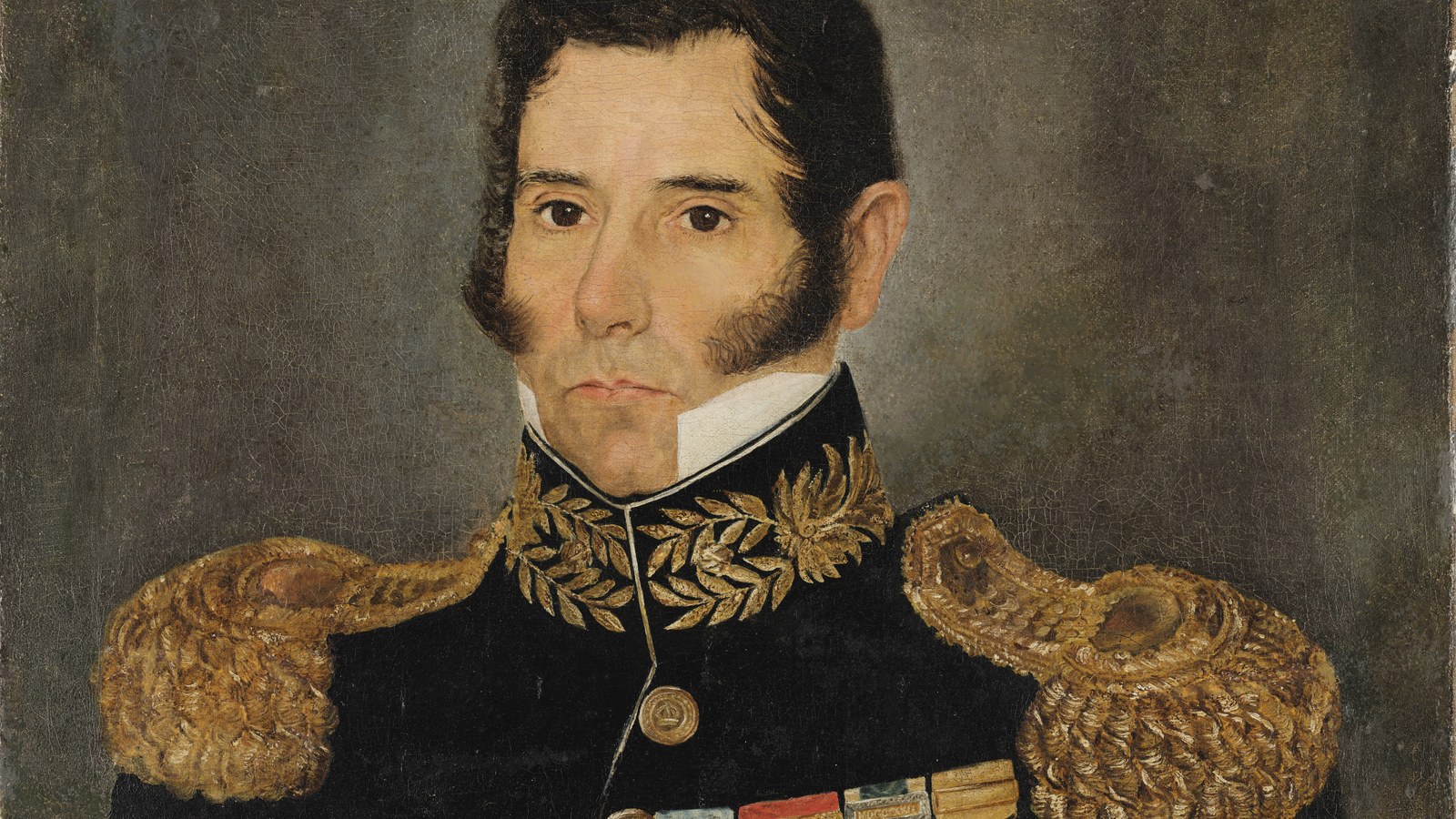
September 20, 2026 marks 191 years since the Farroupilha Revolution, also called the Ragamuffin War, began in the province of Rio Grande do Sul. Farrapos (“rags”) came from the fringed leather of the gauchos; the rebels took the nickname.
Producers of charque — dried meat central to the local economy — opposed taxes and competition from imports. Fiscal grievances fused with demands for provincial autonomy from the Empire of Brazil.
On 20 September 1835, after fighting at the Azenha Bridge, Bento Gonçalves da Silva’s forces entered Porto Alegre. Provincial president Antônio Braga fled. Since 1995 the date has been a state holiday in Rio Grande do Sul.
In 1836 the rebels proclaimed the Riograndense Republic. The war spread toward Santa Catarina, where the short-lived Juliana Republic appeared, an episode also tied to Giuseppe and Anita Garibaldi. The conflict ended in 1845 in an agreement with the imperial government.
Many commanders, including Bento Gonçalves, were slaveholders. The 1843 republican constitution did not abolish slavery. At Porongos in November 1844 the Black Lancers — enslaved men enrolled and notionally freed by the rebels — were crushed; historians debate betrayal or surprise, not a single uncontested fact.
Farroupilha memory is central to gaucho identity and remains contested. The commemoration is not a single heroic story.
Image: General Bento Gonçalves da Silva, painting c. 1840–1847, unknown author, public domain, Google Arts & Culture / Wikimedia Commons. A portrait, not the fighting of 20 September 1835. Cropped to 16:9.
Source consulted: Ragamuffin War — Encyclopaedia Britannica.






0 Comments
No comments on this article yet. Be the first!