
On 18 September 96, after Domitian was killed in a palace conspiracy, the Senate recognised Marcus Cocceius Nerva. 18 September 2026 marks 1,930 years since that proclamation, not a modern coronation and not a battle.
Nerva was an experienced senator and former consul, around 65 years old. He had no army of his own behind him. The choice aimed to prevent a power vacuum and was welcomed by part of the senatorial elite, strained by Domitian’s years.
Ancient sources often describe him as moderate: he reduced treason trials, recalled exiles and restored some confiscated property. That picture should be read against those sources’ hostility towards his predecessor, not as a verified psychological portrait.
His authority over the army and the Praetorian Guard remained fragile. In 97 a Praetorian revolt showed the limits of his control in the capital. For the succession he adopted Trajan, a respected general on the Rhine — an adult heir, not a dynastic child.
Nerva died in January 98 after a reign of about 16 months. Trajan followed. The later label of the “five good emperors” is a historiographical formula, not a contemporary verdict from the year 96.
The proclamation remains the conventional start of the Nerva–Antonine dynasty. The anniversary marks a documented palace transition, not a myth of liberty automatically restored.
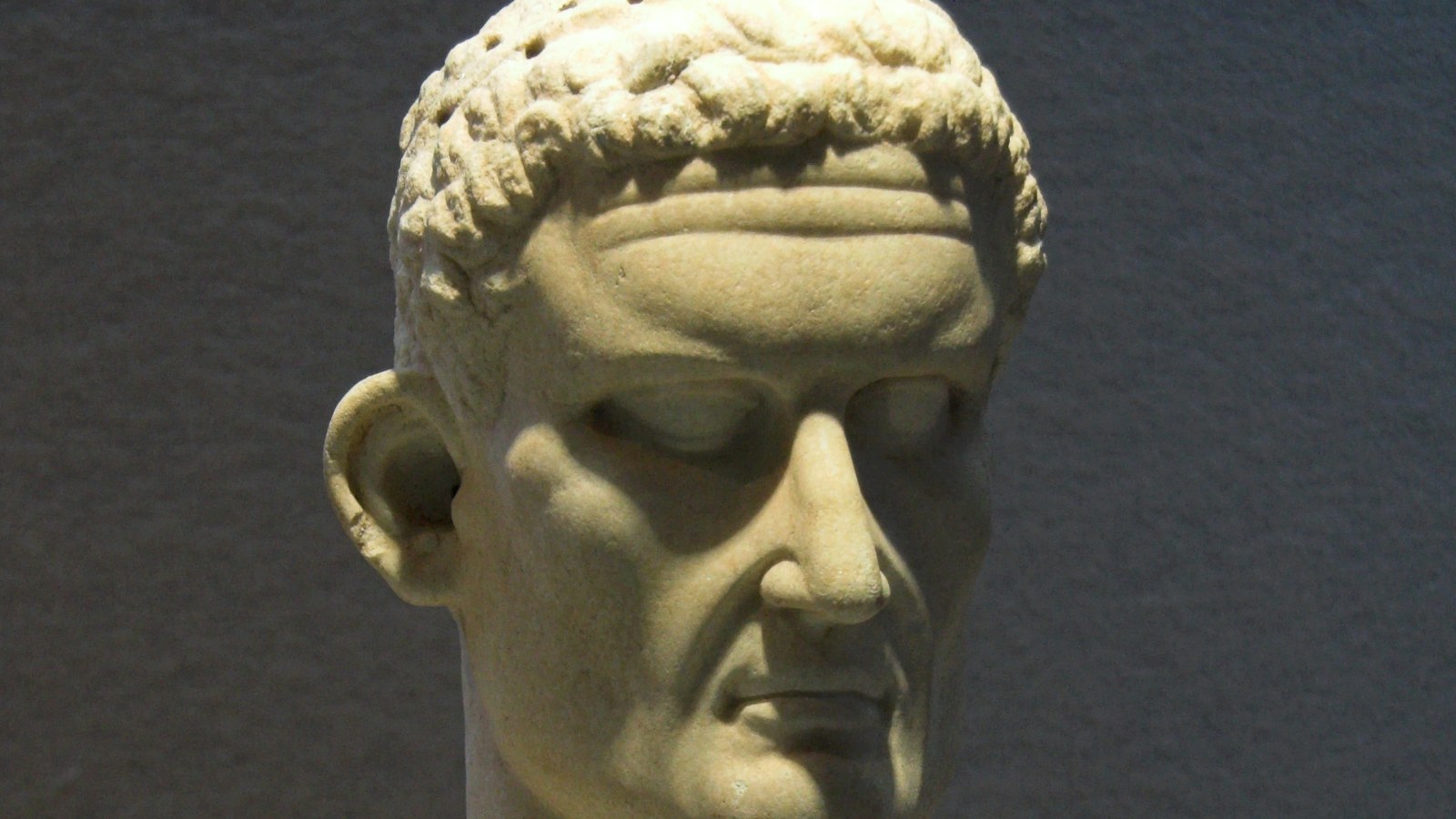
Museum busts, including the one in Syracuse, are period or near-period portraits, not photographs. They illustrate the face attributed to Nerva, not the Senate scene of 18 September 96.
Image: Zde / Wikimedia Commons, CC BY-SA 4.0. Bust of Nerva, Sicily, 80–100, Museo Archeologico Regionale Paolo Orsi, Syracuse. Period portrait, not the Senate scene of 96. Cropped to 16:9.
Source consulted: Nerva | Encyclopaedia Britannica; Nerva | World History Encyclopedia; Nerva | De Imperatoribus Romanis.










0 Comments
No comments on this article yet. Be the first!