
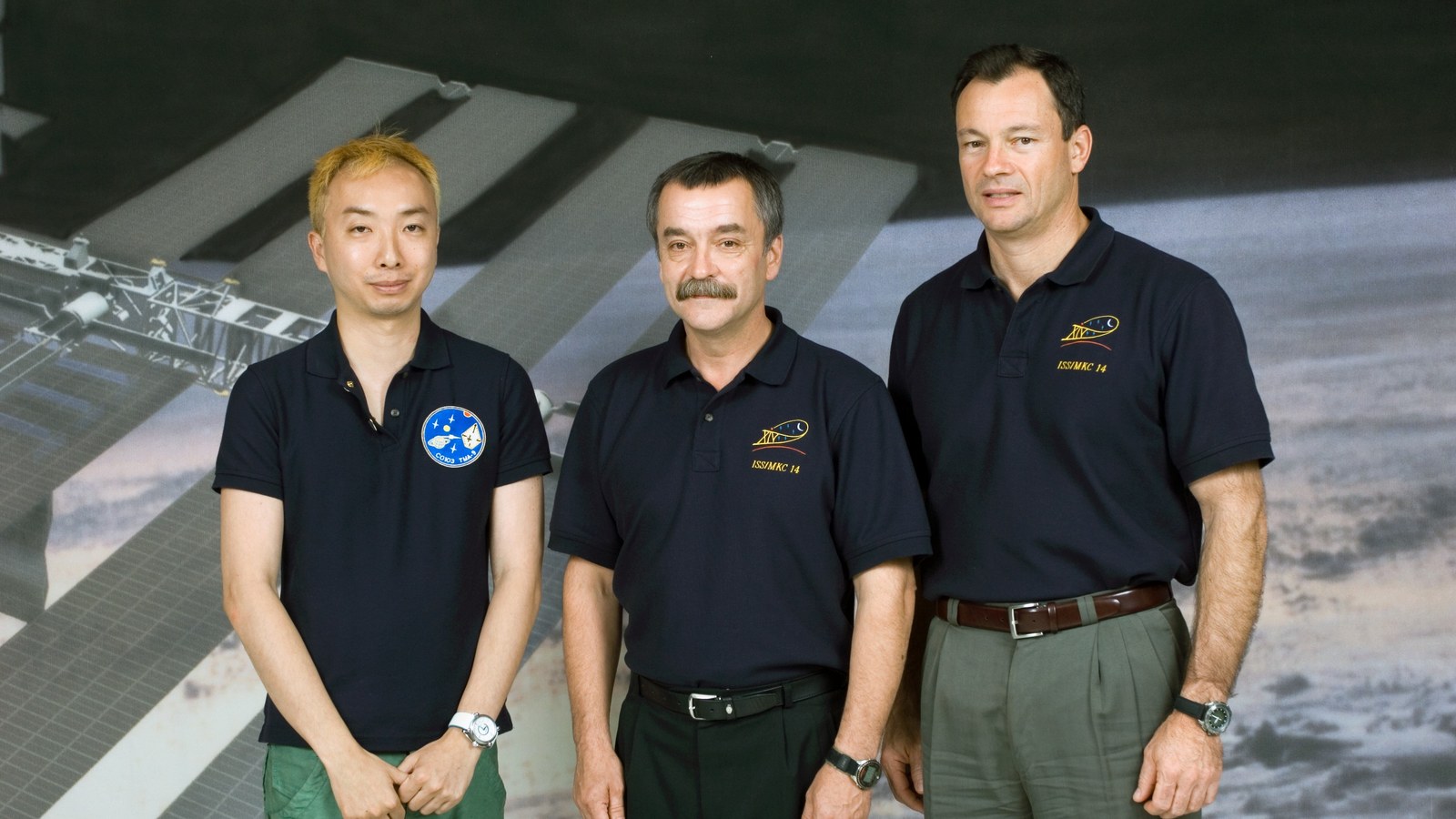
18 September 2026 marks 20 years since Anousheh Ansari launched towards the International Space Station. ESA reported the Soyuz TMA-9 lift-off from Baikonur, Kazakhstan, that morning, with Mikhail Tyurin and Michael López-Alegría.
The entrepreneur, born in Iran and a US citizen, was described by the agency as a spaceflight participant and, in public communication, as the first woman “space tourist”. The distinction matters: she was not a member of a national astronaut corps, but the seat was bought through the Soyuz circuit, not on today’s commercial crew vehicles.
The Ansari family had backed the Ansari X Prize, which encouraged reusable private suborbital craft. Her telecommunications career is a public fact; this article does not enter private life. She is living.
Docking with the ISS was announced for 20 September. During the stay she took part in ESA physiology experiments. She returned on 29 September aboard Soyuz TMA-8. The full experience, launch to landing, is on the order of 11–12 days, most of them on the station.
In 2006, civilian access to orbit depended on Soyuz seats. Today’s commercial missions, with their own capsules, still lay ahead. Her flight does not by itself “open” the present industry, but it remains a landmark of female and entrepreneurial participation outside astronaut corps.
The text avoids a dismissive use of “tourist”. It keeps both formulas as they appear in ESA sources and limits the narrative to the mission calendar.
Two decades later, the reference remains 18 September 2006, Baikonur, Soyuz TMA-9.
Image: NASA, the Soyuz TMA-9 crew. Wikimedia Commons, public domain. Cropped to 16:9.
Source consulted: ESA — First woman space tourist on her way to the ISS; Space Adventures — Anousheh Ansari.

0 Comments
No comments on this article yet. Be the first!