
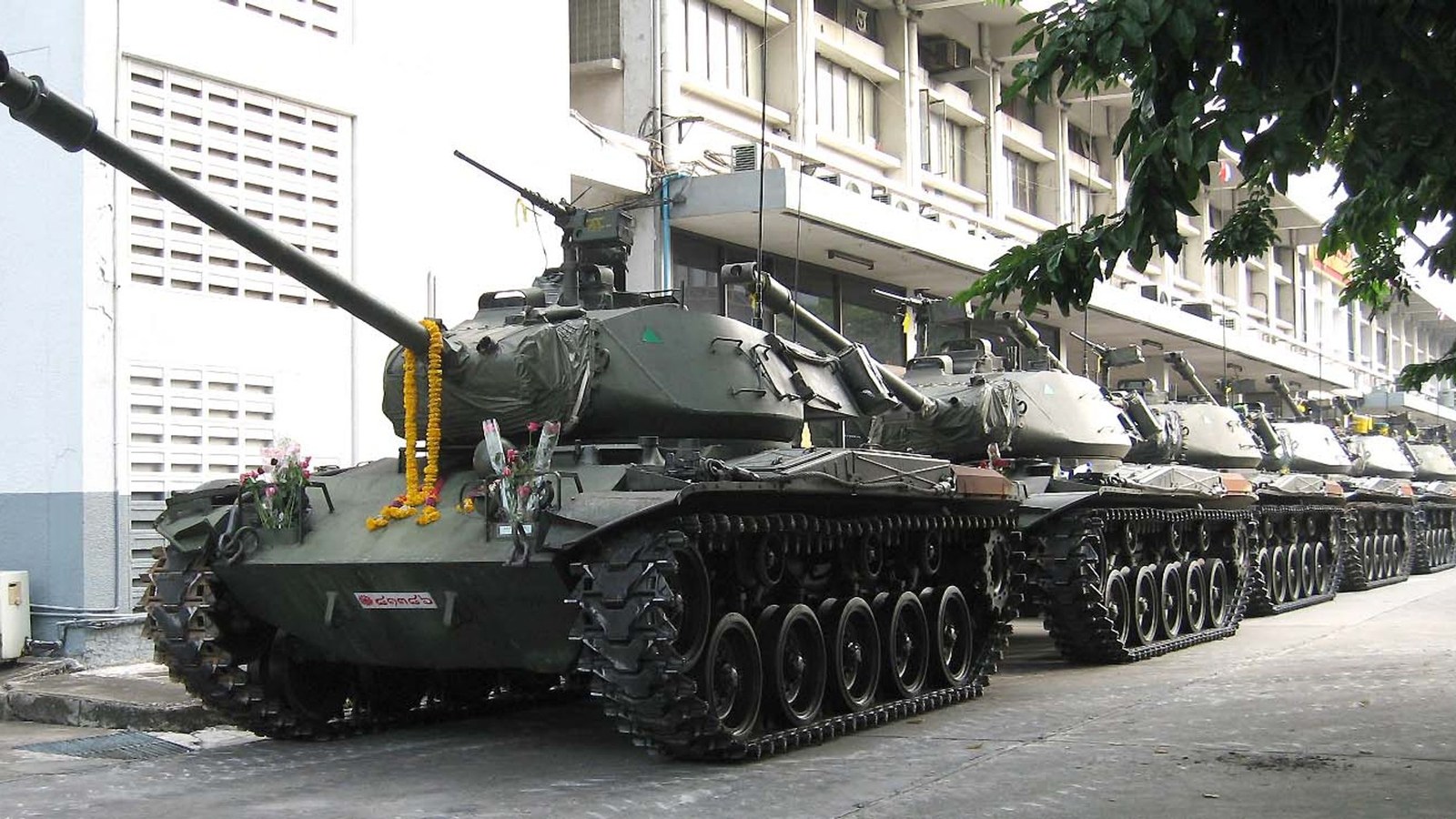
September 19, 2026 marks 20 years since the coup in which Thailand’s army removed Prime Minister Thaksin Shinawatra. Thaksin was in New York for the United Nations General Assembly.
On the evening of September 19, military units occupied points in Bangkok, including government buildings and communications. Tanks appeared in the streets and television was taken over. Thaksin tried to declare a state of emergency; the broadcast was cut off.
The leaders, headed by General Sonthi Boonyaratglin, announced a Council for Political Reform. The 1997 constitution was abrogated. Parliament, the cabinet and the Constitutional Court were dissolved, and martial law was imposed. Public justifications cited political crisis, corruption and social division.
The seizure of power in the capital occurred without large-scale fighting. The absence of a street massacre does not change the anti-democratic character of removing an elected government. An interim constitution followed in October 2006; a new charter and elections did not close the split between Thaksin’s supporters and opponents.
The event opened another cycle of instability, culminating in a further coup in 2014. The anniversary concerns 2006, not the tanks of 2014, and the persistent role of the army and unelected institutions in Thai politics.
This article does not retry later cases involving the Shinawatra family, and it does not reduce two decades of conflict to a single night.
Image: tanks in Bangkok, 24 September 2006 / Roger jg / Wikimedia Commons, CC BY-SA 2.5. Five days after 19 September, not the 2014 coup. Cropped to 16:9.
Source consulted: Thailand: the 2006 coup and after | Encyclopaedia Britannica; Thailand, 2006 Country Reports on Human Rights Practices | U.S. Department of State Archive.




0 Comments
No comments on this article yet. Be the first!