
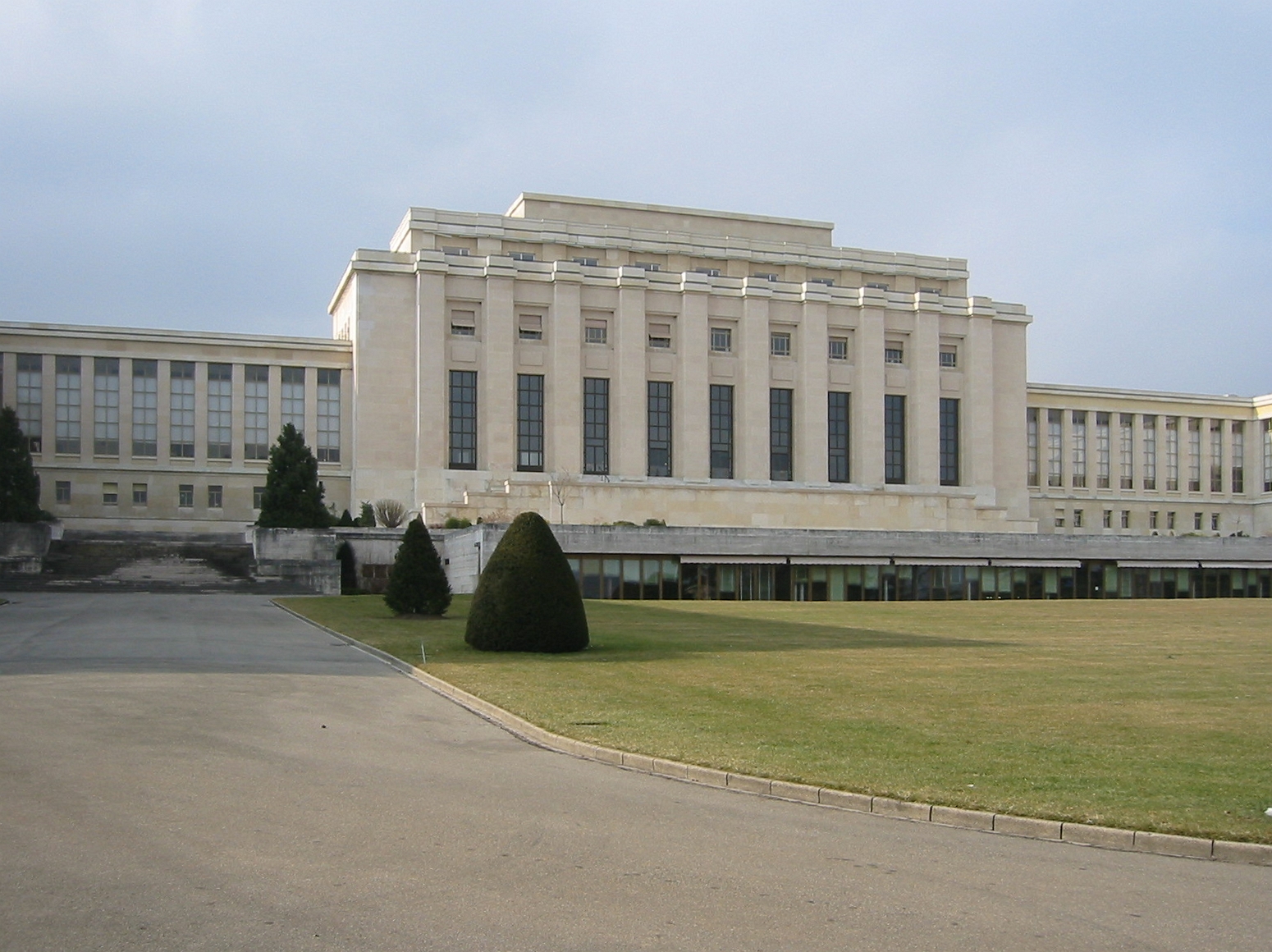
September 10, 2026 marks 24 years since Switzerland officially became a member of the United Nations, in an unusual chapter in the history of international relations. Although it had hosted international institutions and organisations for decades and was deeply involved in global diplomacy, Switzerland did not become a full member of the UN until September 10, 2002.
The main reason for this late accession was one of the defining principles of the Swiss state: neutrality. Switzerland has a long tradition of neutrality in conflicts between other states. This position influenced its foreign policy for generations and meant that membership of international organisations with a political dimension was long approached with caution.
The situation was particularly interesting because Geneva had already become one of the world's most important centres of international diplomacy. The city had hosted the headquarters of the League of Nations, the international organisation established after the First World War. Following the Second World War and the creation of the United Nations in 1945, Geneva retained its international role. The Palace of Nations became the UN's European headquarters, while numerous international agencies and organisations established operations in Switzerland.
This created an apparent paradox: one of the principal diplomatic capitals of the UN system was located in a country that was not itself a member of the United Nations. Switzerland nevertheless participated in numerous international activities and belonged to several specialised agencies associated with the UN system.
The question of full membership was discussed repeatedly. In 1986, Swiss voters were asked in a referendum whether the country should join the United Nations. The result was decisive: around three quarters of voters rejected membership. For many Swiss citizens, joining the UN raised questions about preserving the country's neutrality and the independence of its foreign policy.
During the following years, however, the international environment changed. The Cold War ended, international cooperation intensified and Switzerland was already involved in a large number of multilateral institutions. The question of UN membership therefore returned to public debate. This time, the process was initiated through a popular initiative, one of the characteristic instruments of Switzerland's system of direct democracy.
On March 3, 2002, Swiss citizens voted again. The result was close but historic: 54.6% of voters supported membership of the United Nations. Approval also required a majority of the Swiss cantons, a condition that was met. Several months later, the diplomatic process was completed. On September 10, 2002, the UN General Assembly admitted Switzerland as the organisation's 190th member state.
The event had an important distinction: Switzerland became a member of the United Nations following a direct decision by its population expressed through a referendum. Membership did not mean abandoning Swiss neutrality. Switzerland maintained its policy of neutrality while continuing to participate actively in multilateral diplomacy, humanitarian assistance, international development, mediation and other UN activities.
Geneva remained one of the world's principal centres of diplomacy. The United Nations Office at Geneva and the many international organisations based in the city play major roles in areas including human rights, health, labour, trade, refugees and international cooperation. Switzerland's 2002 accession therefore represents an unusual chapter in UN history: it was not an isolated country suddenly deciding to participate in international affairs, but one of the principal hosts of global diplomacy changing its official status.
Twenty-four years after accession, September 10, 2002 remains the date on which Switzerland transformed its long relationship of cooperation with the United Nations into full membership, while seeking to preserve one of the central principles of its political identity: neutrality.
Source consulted: Switzerland and the United Nations | Wikipedia

0 Comments
No comments on this article yet. Be the first!