
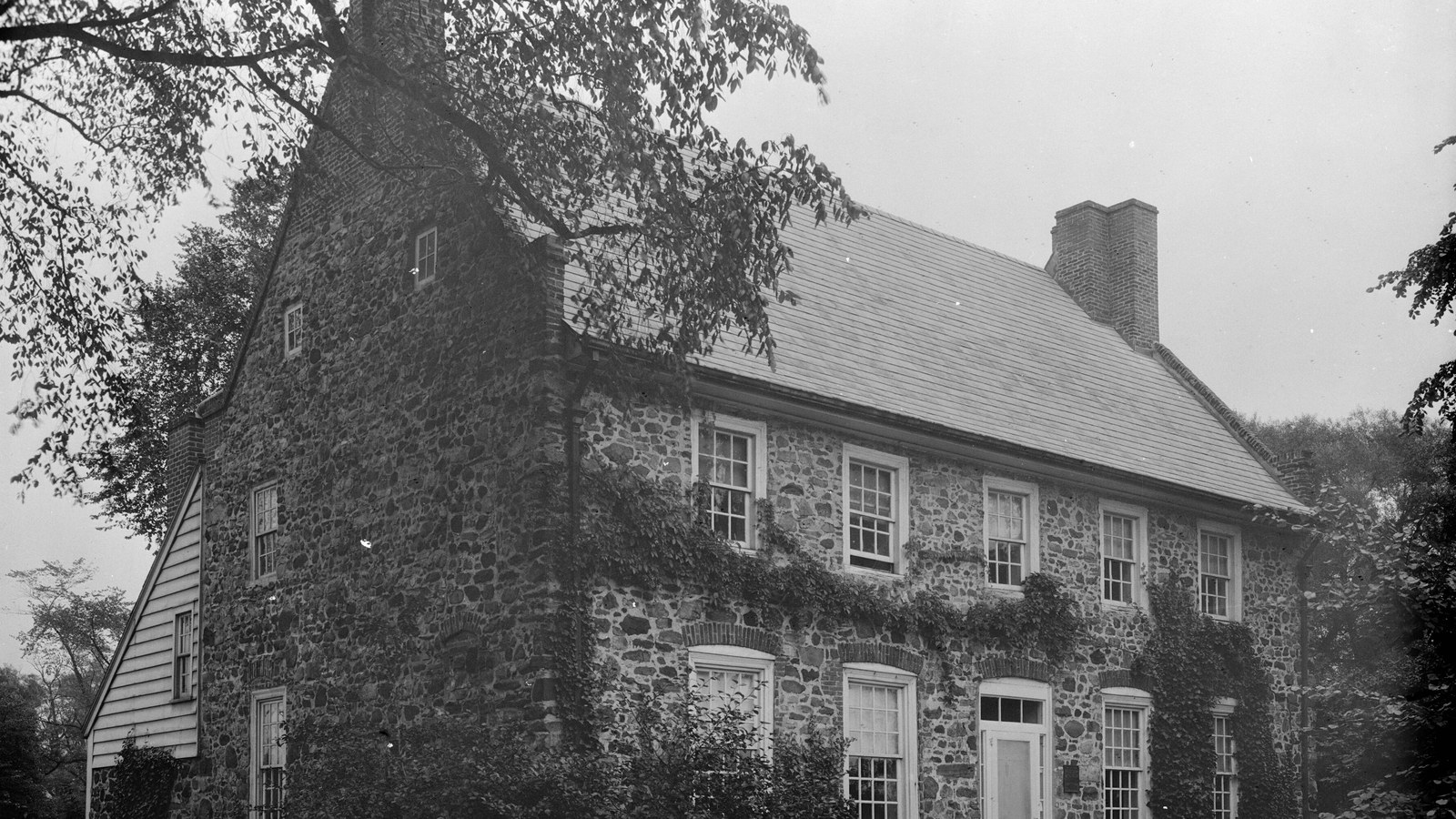
Today, September 11, 2026, marks exactly 250 years since the Staten Island Peace Conference, one of the most significant diplomatic attempts to halt the conflict between the American colonies and Great Britain during the opening stages of the American Revolution. On September 11, 1776, Benjamin Franklin, John Adams and Edward Rutledge crossed military lines to meet British Admiral Richard Howe on Staten Island, in present-day New York City.
The meeting took place only a little more than two months after representatives of the thirteen colonies adopted the Declaration of Independence on July 4, 1776. The two sides were already at war. Britain was attempting to restore Crown authority over the colonies, while American leaders had declared that the colonies had become free and independent states. The September conference was an attempt to determine whether a diplomatic path remained available to end the conflict.
A critical moment in the American Revolution
The military situation was difficult for the Americans. Only weeks earlier, on August 27, 1776, George Washington's forces had suffered a major defeat in the Battle of Long Island. British forces commanded by General William Howe held a powerful military position around New York. Against this background, Admiral Richard Howe, William Howe's brother, was also exploring the possibility of reconciliation. The Howe brothers had been appointed peace commissioners, but their authority was limited: they could offer certain concessions and pardons, yet they did not have authority from London to recognise American independence. For the representatives of the Continental Congress, independence had become the central issue.
Franklin, Adams and Rutledge
The Continental Congress selected three of its members to attend the meeting: Benjamin Franklin, John Adams and Edward Rutledge. All three had participated in the political process leading to separation from Britain. Franklin was already one of America's best-known figures and had spent years in London representing colonial interests. John Adams had been one of the strongest advocates of independence and would later become the second President of the United States. Edward Rutledge represented South Carolina and was one of the signers of the Declaration of Independence. The delegation did not have authority to abandon the independence declared in July.
The meeting on Staten Island
The talks took place on Staten Island at a property now known as Conference House and lasted several hours. Howe hoped to establish a basis for reconciliation between the colonies and Britain. The American delegates insisted on the new political reality created by the Declaration of Independence. Britain continued to regard the colonies as territories in rebellion against the Crown; the Americans regarded themselves as representatives of states that had already declared independence. Howe lacked authority to negotiate recognition of that independence, and the congressional delegation had no intention of returning to colonial status as the basis for negotiations. The conference ended without a peace agreement.
Why the conference failed
The disagreement was not merely military or economic. The two sides began from incompatible political premises. For the British government, reconciliation meant restoring the colonies to Crown authority. For the Americans, meaningful negotiations had to acknowledge the independence proclaimed on July 4. Without British authority to recognise independence, there was very little room for negotiation. Benjamin Franklin knew Howe from his years in Britain, but personal relationships could not resolve the constitutional conflict separating the two sides. After the Declaration of Independence, the revolutionary leadership's objective had become the establishment of an independent country, not a return to the British Empire.
The war continued
The failure of the Staten Island conference did not stop military operations. Within days, British and American forces continued fighting for control of New York. The Revolutionary War would continue for years. France formally entered the conflict as an American ally in 1778. In October 1781, the British army under General Charles Cornwallis surrendered to American and French forces at Yorktown, the decisive military event that accelerated peace negotiations. Formal British recognition of American independence came with the Treaty of Paris in 1783.
Conference House, 250 years later
The building associated with the 1776 meeting still exists today. Known as Conference House, it stands on Staten Island in New York City and remains linked to the talks between Admiral Richard Howe and the Continental Congress delegation: several hours during which representatives of two sides already at war sat together to determine whether reconciliation was still possible. It was not.
The anniversary carries particular significance because 2026 also marks 250 years since the United States Declaration of Independence. The Staten Island conference shows that the independence proclaimed in July did not immediately end diplomatic efforts. More than two months after July 4, American and British representatives were still discussing whether the conflict could be stopped. Disagreement over one fundamental issue — whether America remained part of the British Empire or had already become independent — made reconciliation nearly impossible. Seven years later, Britain formally recognised the independence that the American delegates had refused to abandon at the negotiating table on Staten Island.
Source consulted: John Adams, report on the Staten Island conference, September 17, 1776 (Founders Online / U.S. National Archives). Photograph: Conference House (Billopp House), Staten Island — Historic American Buildings Survey, Library of Congress, public domain.




0 Comments
No comments on this article yet. Be the first!