
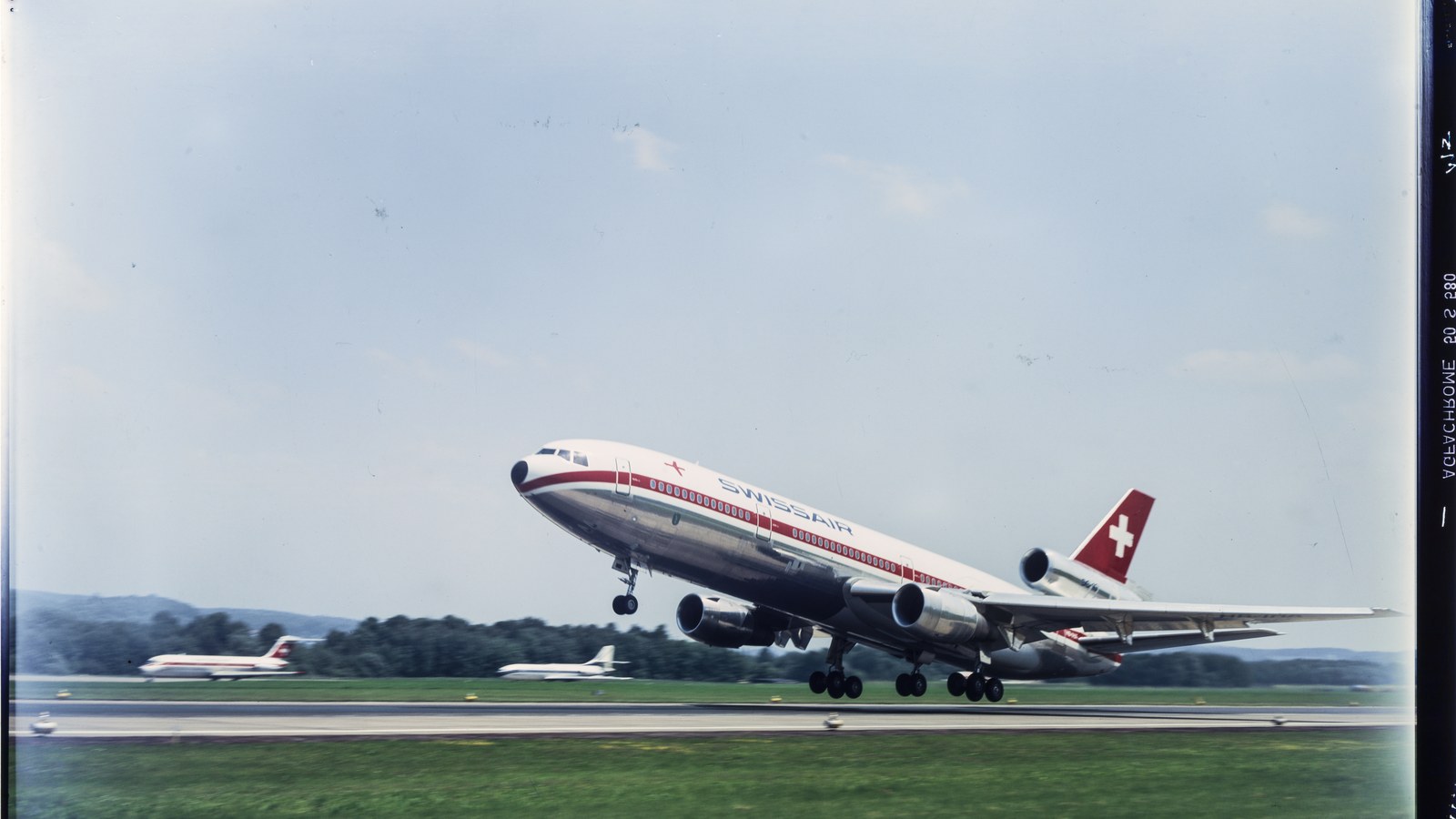
On 19 September 1989 a UTA DC-10 bound for Paris broke up over the Ténéré Desert in Niger. The aircraft had left Brazzaville, with a stop in N'Djamena. An explosive device concealed aboard killed all 170 people. The victims came from several countries; the isolation of the site complicated recovery and the investigation.
The French investigation attributed the attack to Libyan agents. In 1999 a French court convicted six Libyan nationals in absentia. Compensation talks and agreements followed; legal terms should be read with attribution, not as a universal moral verdict.
Families raised a memorial in the desert from stones and a recovered piece of the aircraft. The circle and 170 broken mirrors make it visible even from the air. The monument is an act of naming, not a set for spectacular reconstructions of the blast.
The commemoration belongs to civil-aviation security and to the effort to keep each victim’s identity. This article does not describe the bomb’s mechanism or fill the inquiry with speculation.
Security Council resolutions in the 1990s linked the file to other attacks attributed to Libya. That does not make every case identical; each has its own judicial thread.
Thirty-seven years on, the emphasis remains on the people and the established facts, not the spectacle of the attack.
Image: Swissair DC-10 / Wikimedia Commons. The same McDonnell Douglas type, not the UTA aircraft destroyed over the Ténéré. Cropped to 16:9.
Source consulted: UTA Flight 772 accident record | Aviation Safety Network; UTA 772 DC-10 Memorial | Institute for Public Art.






0 Comments
No comments on this article yet. Be the first!