
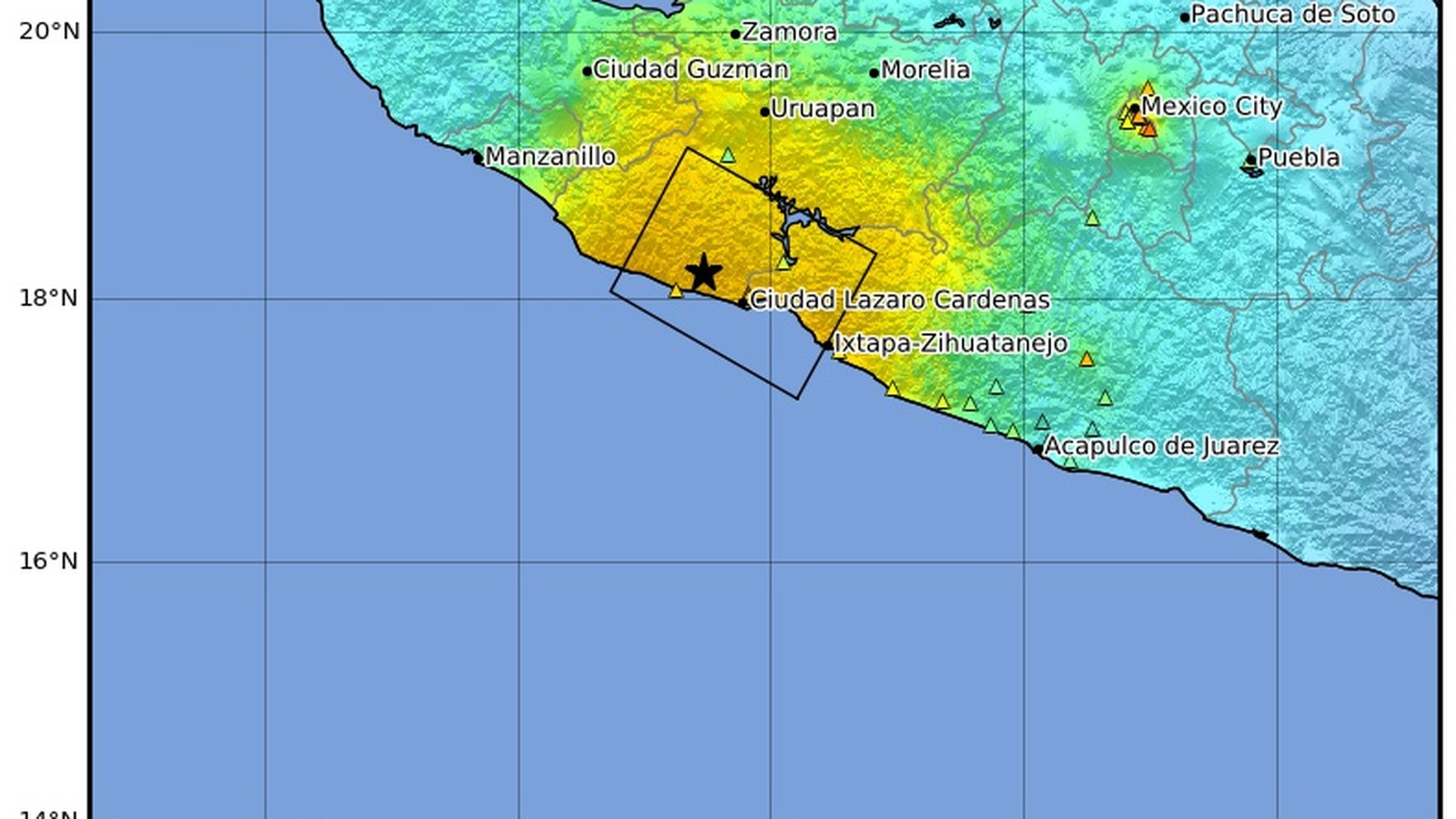
On the morning of 19 September 1985, an earthquake with its epicentre near the Pacific coast, hundreds of kilometres from the capital, devastated parts of Mexico City. Historical sources place the magnitude around 8.0 to 8.1, depending on scale and analysis. A single number is not dogma.
Distance did not spare the city. Soft sediments of the former lake beneath much of the capital amplified the waves. Multi-storey buildings collapsed or were badly damaged.
The death toll remains disputed. Some assessments cite about 10,000 to 12,000 victims; others go higher. This article does not pick one “official” figure as the only truth.
In the first hours, residents searched for survivors and distributed aid. Volunteer rescue groups grew from those efforts, including the organisation known as Los Topos. The disaster pushed building standards, warnings and civil-protection procedures.
The date has a painful overlay: on 19 September 2017 another powerful earthquake struck central Mexico, on the anniversary. Memory of the two quakes keeps preparedness in public life.
The 41st anniversary is commemoration and warning, not a closed ledger of every victim and not a lesson that the risk has gone.
Image: map of the 1985 Mexico earthquake / Wikimedia Commons. The coastal epicentre, not the ruins in Mexico City. Cropped to 16:9.
Source consulted: Mexico City remembers the 1985 earthquake that changed everything | Associated Press; 1985 Mexico City earthquake background | USGS.




0 Comments
No comments on this article yet. Be the first!