
On 19 September 1978, Solomon Islands became a member of the United Nations. Independence from the United Kingdom had been declared on 7 July that year; admission two months later gave the new state a voice in the General Assembly.
Membership followed a Security Council recommendation and a General Assembly vote — the UN Charter procedure for new members. In English the official name is “Solomon Islands”, without an article; the capital is Honiara, on Guadalcanal.
The South Pacific archipelago comprises hundreds of islands and great linguistic diversity. Distance, infrastructure and exposure to storms and earthquakes shape development. The legal equality of UN members gives them the same Assembly vote even though economic weight differs.
In the multilateral system the country takes part in groupings of small island states. The themes it raises — climate, oceans, development finance — belong to the vulnerability of a small-population state, not to an abstract agenda.
The 48th anniversary keeps two dates apart: 7 July (independence) and 19 September (the UN). Mixing them erases the diplomatic path of a new state.
The UN membership list and the organisation’s digital library keep the admission resolution. This text stays with the calendar and with the distinction between domestic sovereignty and multilateral recognition.
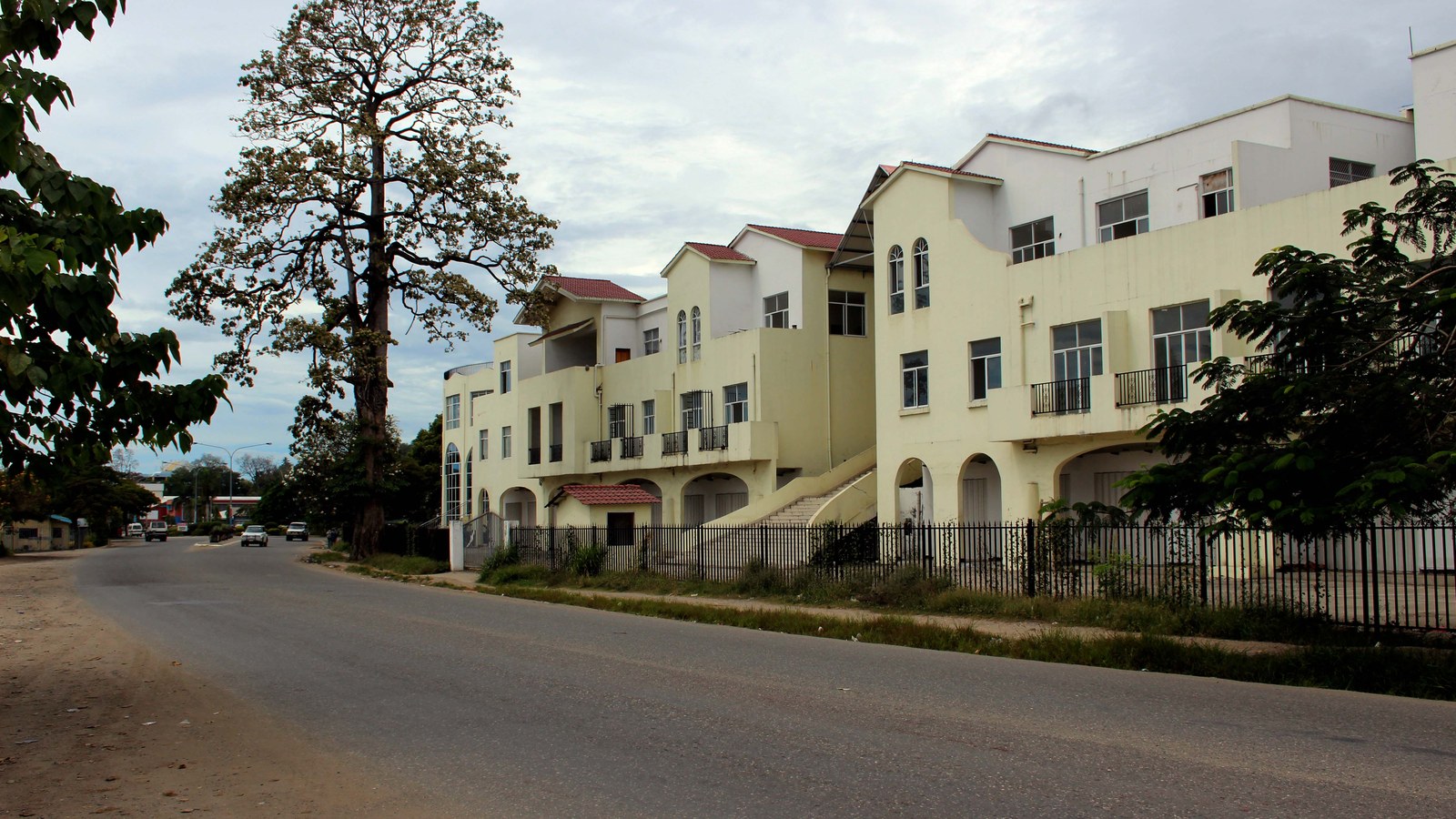
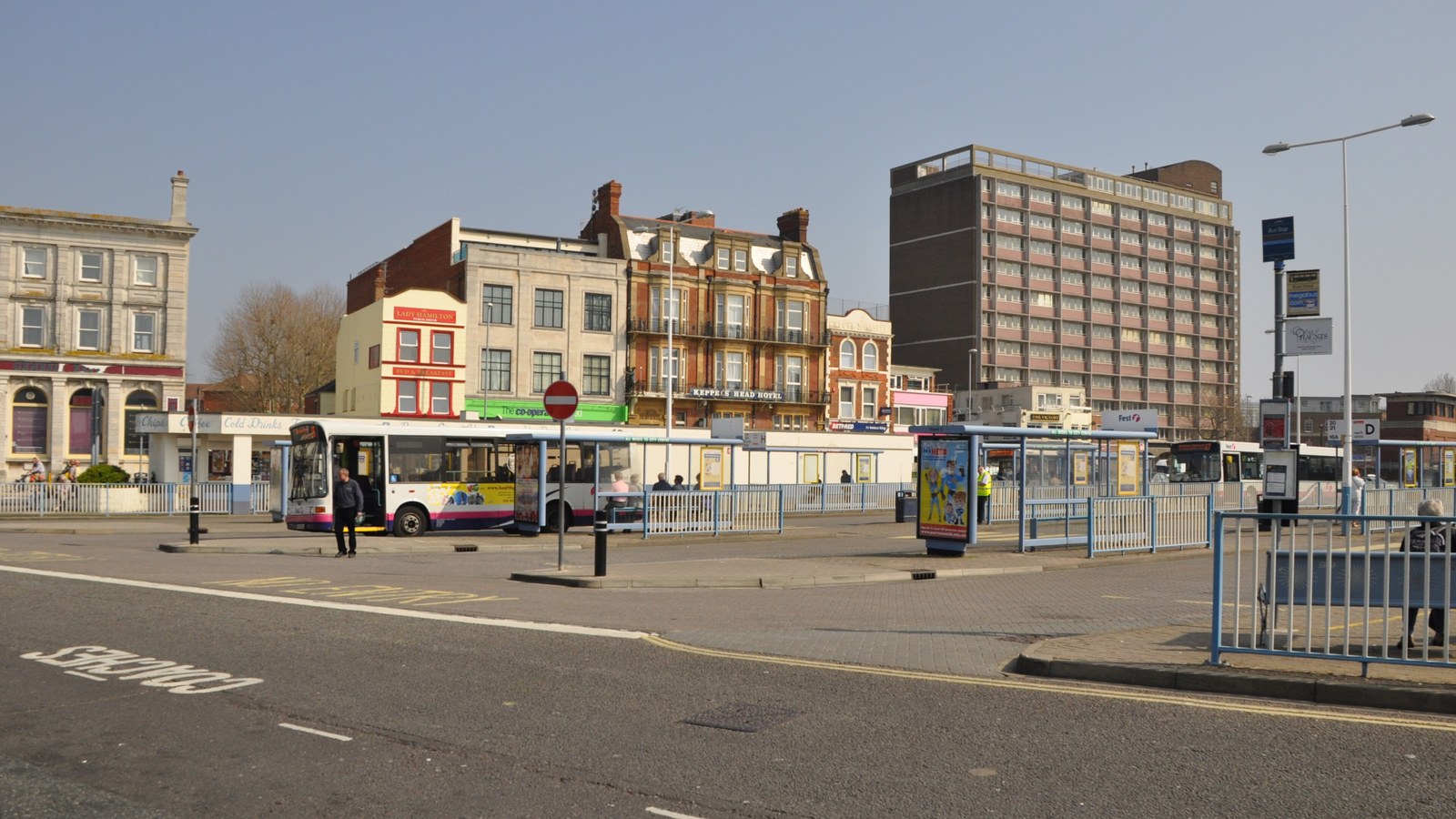
Image: Honiara / Jenny Scott / Wikimedia Commons, CC BY 2.0. A street in the capital, not the UN admission ceremony. Cropped to 16:9.
Source consulted: Member States: Solomon Islands | United Nations; Government of Solomon Islands.


0 Comments
No comments on this article yet. Be the first!