


Conservation groups in Indonesia have pulled dozens of critically endangered orangutans out of the path of fire. West Kalimantan's conservation agency and the non-profit YIARI said on Saturday that, from 6 August to 19 October, they had evacuated 51 animals from Ketapang and North Kayong. France 24 carried the tally with AFP. It is not a Borneo-wide figure and not a species saved. It is evacuees in one province over two and a half months.
Kompas, working from YIARI's ground notes, says where they came from. Thirty of the 51 were found in or near the high-conservation-value area of the PT KALE oil-palm estate. More than 90% of that HCV habitat had burned. Without fruiting trees, orangutans stay on small patches, hungry and exposed to dogs.
On 10 and 16 October the joint team took four animals in Ketapang: juvenile females Lusi and Riri, plus mother Mama Rian and her infant Rian. Lusi, aged about four to six, was in a standing tree on burned ground. YIARI chief executive and wildlife vet Karmele Llano Sanchez said she was stressed, thin and probably days without food. After sedation, medics found open wounds, dehydration and possible dog bites.
Indonesia's forestry ministry floated a figure as high as 96 orangutans rescued in Kalimantan in recent months. AFP said officials could not be reached to clarify it. Until that confirmation, 51 is the tally BKSDA and YIARI will sign. On Saturday three agencies also sedated a 20-year-old male in Hampangen, Central Kalimantan, and moved him to a rehabilitation centre.
The fires have run for months, driven by a strong El Niño. Wang Jingyu, of Nanyang Technological University in Singapore, said cooler seas mean less evaporation and less rain, while typhoons to the east soak up moisture. IQAir again ranked Singapore and Kuala Lumpur among the most polluted major cities. Schools closed, respiratory illness rose, and Indonesia's transport ministry counted about 2,400 flights hit by haze since mid-August.
The Bornean orangutan is already listed as critically endangered. Evacuation takes an animal out of fire. It does not put forest back. Lusi went to YIARI's Ketapang centre for wounds and nutrition. WWF Indonesia said more animals remain on forest scraps. Each calf split from its mother is a medical case, not a habitat win.
The haze is not only a wildlife story. It shuts schools and airports in four countries. The West Kalimantan rescues show how far the fire season has gone: from a burned estate to a male carried out under sedation. Fifty-one is an emergency total, not proof the fires are out.
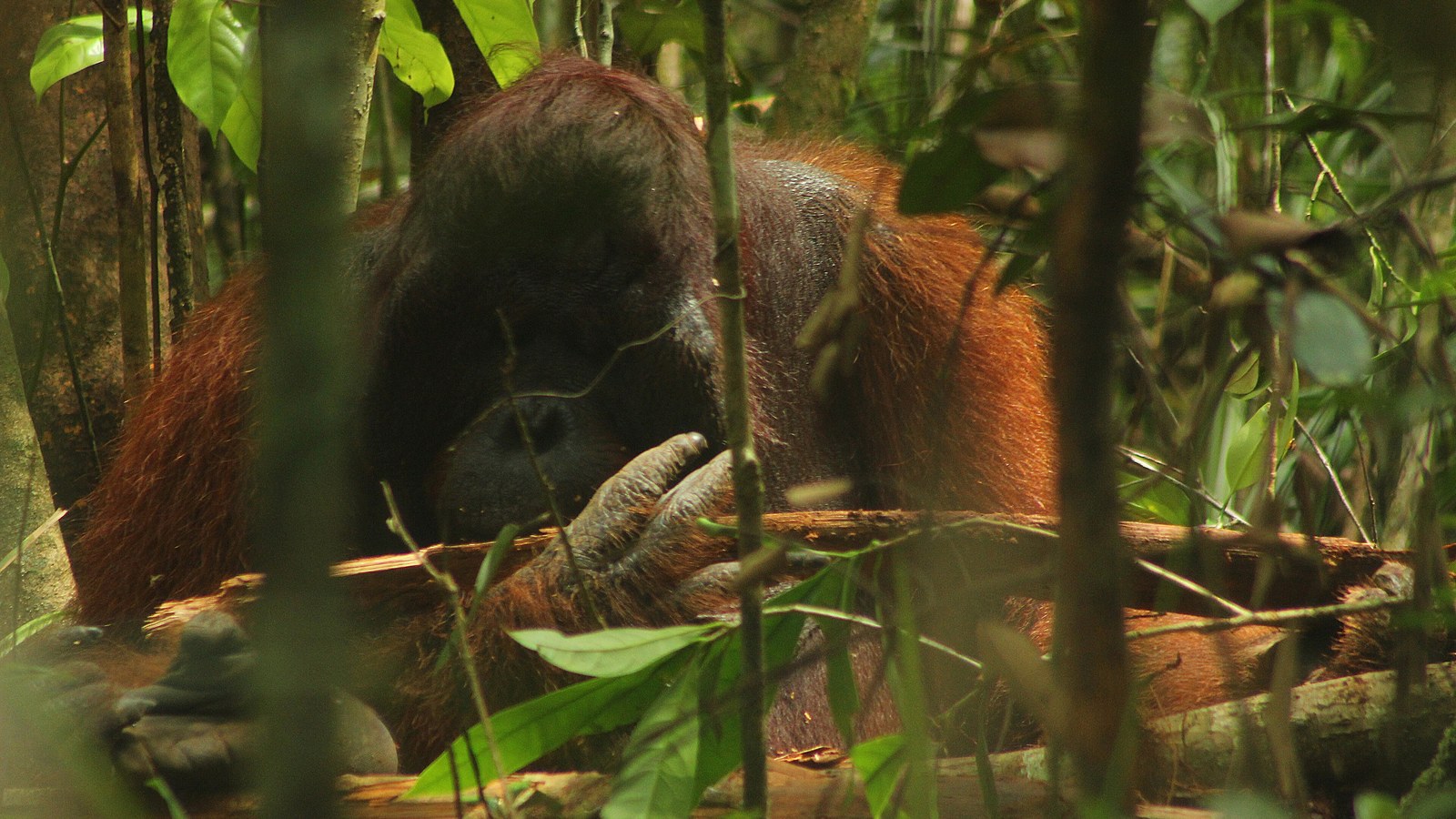
Image: A.Baihaqi, Bornean orangutan, CC BY-SA 4.0, Wikimedia Commons; the species, not Lusi in Ketapang in October 2026.
Sources consulted: Dozens of critically endangered orangutans saved from rampant wildfires in Indonesia - France 24; 51 orangutans evacuated after West Kalimantan fires, 90 percent of habitat burned - Kompas.











0 Comments
No comments on this article yet. Be the first!