
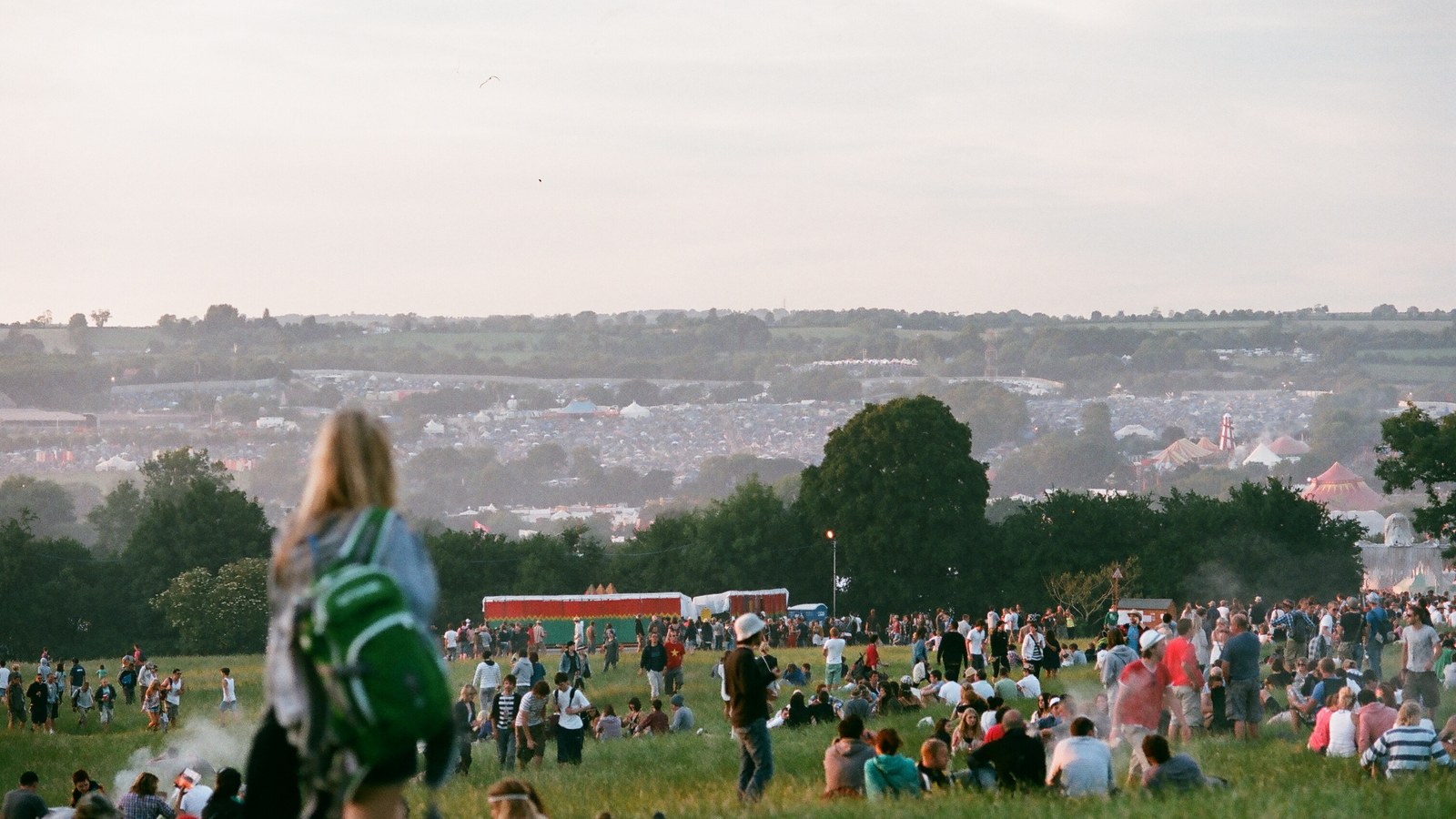
On 19 September 1970, farmer Michael Eavis opened the Pilton Pop, Blues & Folk Festival at Worthy Farm in Somerset. Glastonbury grew from that event. The first day’s crowd was of the order of 1,500 people, not today’s tens of thousands.
A ticket cost one pound and included free milk from the farm — a detail that became mythology, not a policy of the contemporary festival. The Kinks had been billed and did not play. Tyrannosaurus Rex, Marc Bolan’s group, later known as T. Rex, was the leading name.
The 1970 edition was a gathering on farmland. The Pyramid Stage, now instantly associated with Glastonbury, appeared at the 1971 festival, also known as Glastonbury Fayre. Mixing the two editions is an anniversary trap.
In later decades the farm acquired multiple stages, circus, theatre, art and areas for social and environmental campaigning. Identity stayed tied to Worthy Farm even as the scale became international.
The 56th anniversary is of a local beginning. It is not a photograph of the current weekend, with pyramid and global broadcasts.
The festival archive and the V&A keep the 1970 thread as a history of outdoor music, not as advertising for the next edition.
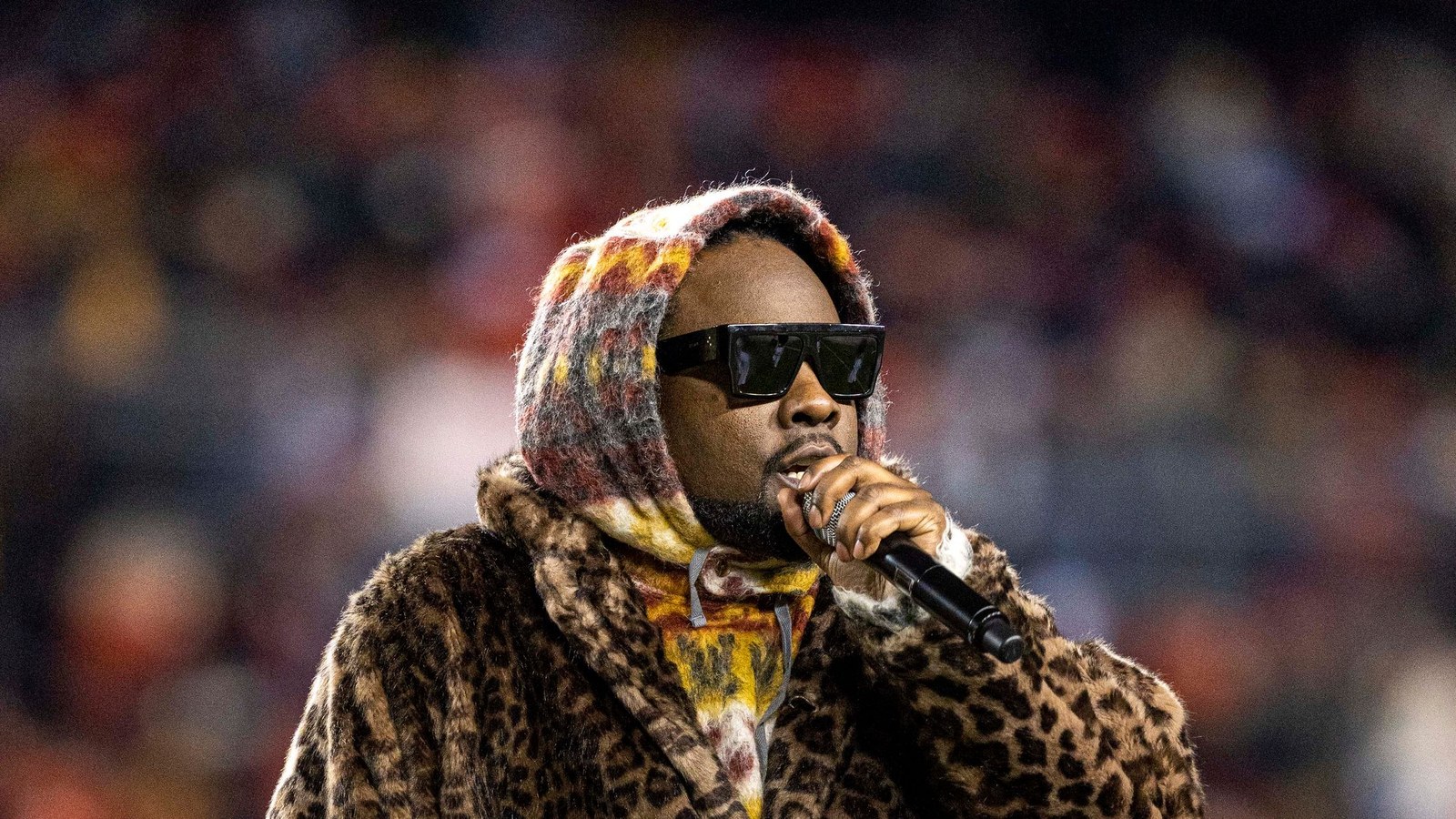
Image: Glastonbury Festival, Worthy Farm / Wikimedia Commons. A later edition, not the 1970 Pilton Pop and not the 1971 Pyramid Stage. Cropped to 16:9.
Source consulted: History: 1970 | Glastonbury Festival; The history of Glastonbury Festival | Victoria and Albert Museum.
0 Comments
No comments on this article yet. Be the first!