
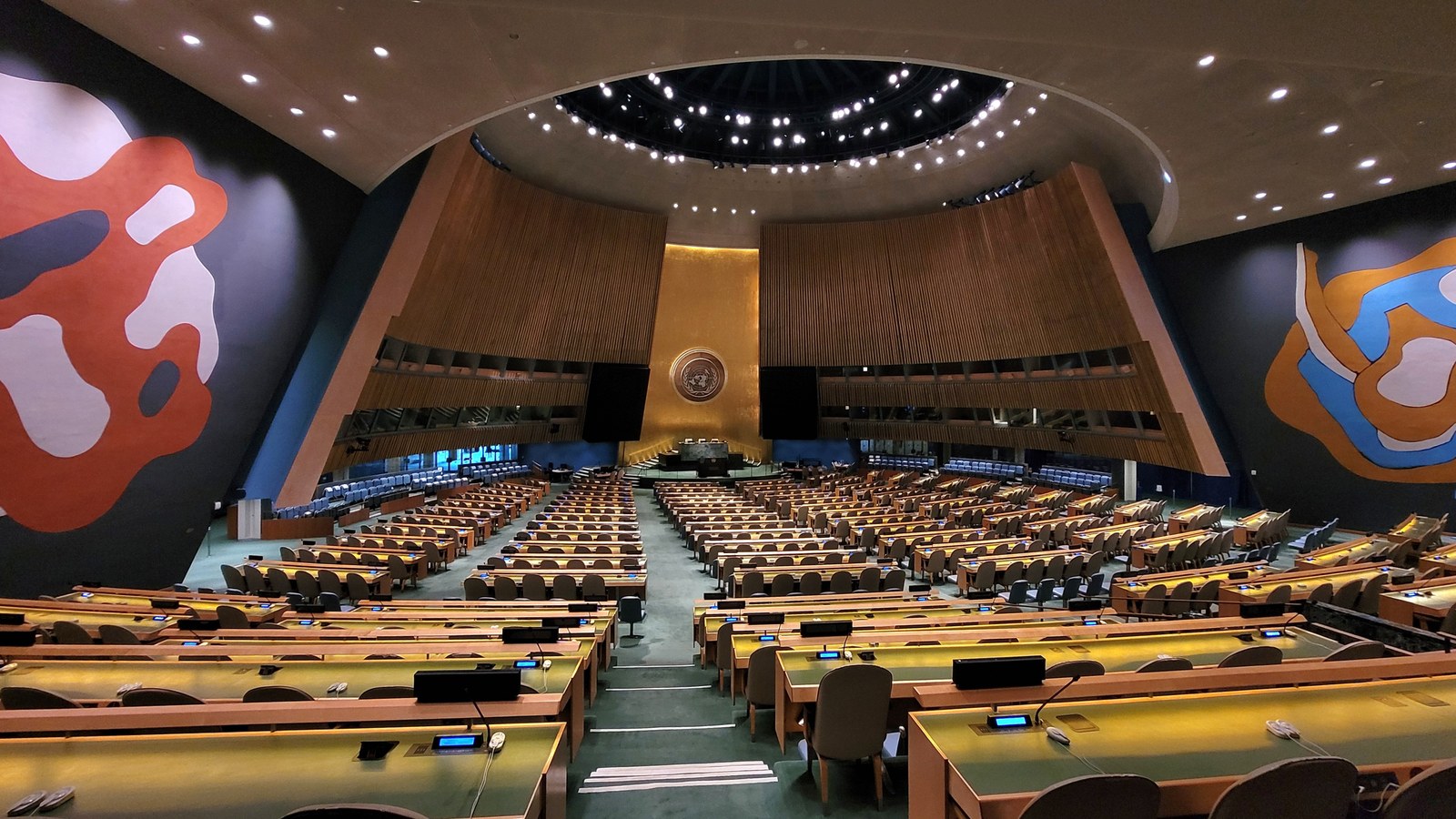
18 September 2026 marks 64 years since Rwanda, Burundi, Jamaica and Trinidad and Tobago were admitted to the United Nations.
All four countries had become independent in 1962. Rwanda and Burundi emerged from Ruanda-Urundi, administered by Belgium under an international mandate. Jamaica and Trinidad and Tobago had separated from British rule.
Admission requires a Security Council recommendation and a General Assembly decision. Separate resolutions were adopted for each of the four states.
1962 also brought Algeria and Uganda into the UN, on different dates. The official membership-growth list shows the organisation’s transformation after the wave of decolonisation.
Rwanda and Burundi proclaimed independence on 1 July 1962. Jamaica became independent on 6 August, and Trinidad and Tobago on 31 August.
UN membership gave access to the General Assembly and the wider agency system. It did not remove internal, economic and regional difficulties inherited from colonial rule.
The subsequent histories of the four countries differed greatly. An anniversary article should not reduce those developments to the moment of admission or treat decolonisation as conflict-free.
Sixty-four years later, the date illustrates the shift from 51 founding members to a nearly universal forum. The official name of the Caribbean state remains Trinidad and Tobago, not Trinidad alone.
Image: Mojnsen / Wikimedia Commons, CC BY-SA 4.0. General Assembly Hall, February 2024. Archive photograph, not from 1962. Cropped to 16:9.
Source consulted: Growth in United Nations membership | United Nations; UN Digital Library — admission records, 18 September 1962.




0 Comments
No comments on this article yet. Be the first!