
On 20 September 1378, at Fondi, thirteen cardinals elected Robert of Geneva, who took the name Clement VII. The vote marked the formal opening of the Western Schism: two rival papal courts, one in Rome and, soon after, one in Avignon.
The crisis followed the death of Pope Gregory XI, who had returned the papal residence from Avignon to Rome. In April 1378 the same college had elected Bartolomeo Prignano, archbishop of Bari, as Urban VI. Romans had pressed for an Italian pope after decades of a French-dominated Avignon papacy.
The relationship collapsed quickly. Urban proved a harsh reformer; the cardinals left Rome, passed through Anagni and took shelter at Fondi under Queen Joanna of Naples. They declared the April election invalid, citing fear of the crowd, and held a second conclave.
Clement, driven from southern Italy after the defeat at Marino, settled in Avignon. Urban remained in Rome. Kingdoms split: France, Castile, Aragon and Scotland largely backed Avignon; England, the Empire and parts of Italy backed Rome. Dioceses and religious orders followed their rulers.
The schism lasted nearly four decades. After the rivals died, new claimants appeared, and for a time there were three. The Council of Constance created the framework for ending the crisis; the election of Martin V in 1417 restored the institutional unity of the Latin Church.
The word “antipope” is the Catholic Church’s later judgment. For contemporaries, legitimacy was disputed: each camp treated the other as a usurper. Robert of Geneva is not the sixteenth-century Pope Clement VII. Nor is this the East–West Schism of 1054.
The 648th anniversary recalls a crisis of authority, not a court quarrel. Fondi, Urban, Clement, Avignon and Constance are enough names. Who was right in 1378 remained a judgment of centuries, not of a single day.
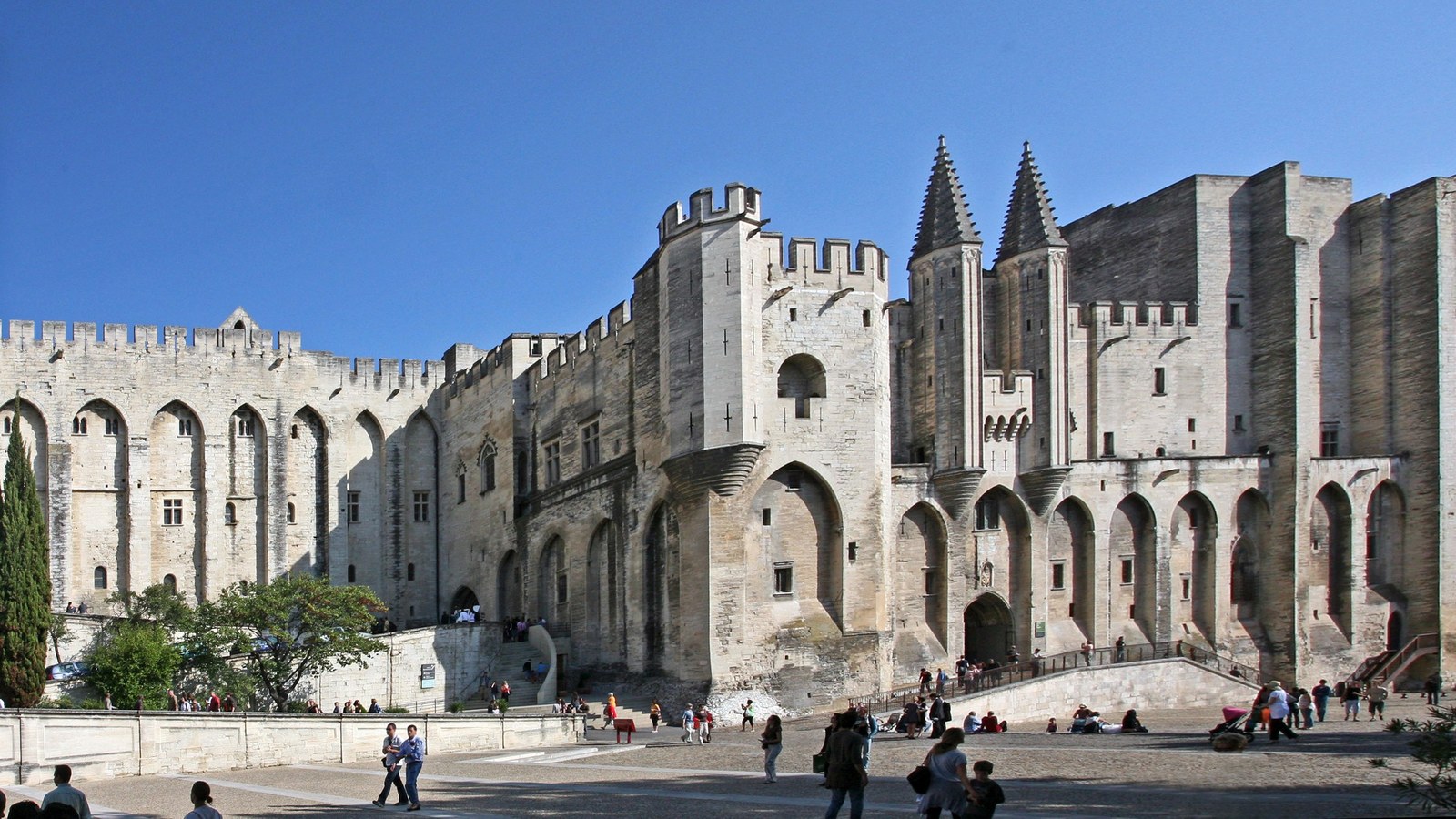
Image: Jean-Marc Rosier, Palais des Papes, Avignon, CC BY-SA 3.0, Wikimedia Commons.
Source consulted: Western Schism — Encyclopaedia Britannica.




0 Comments
No comments on this article yet. Be the first!