
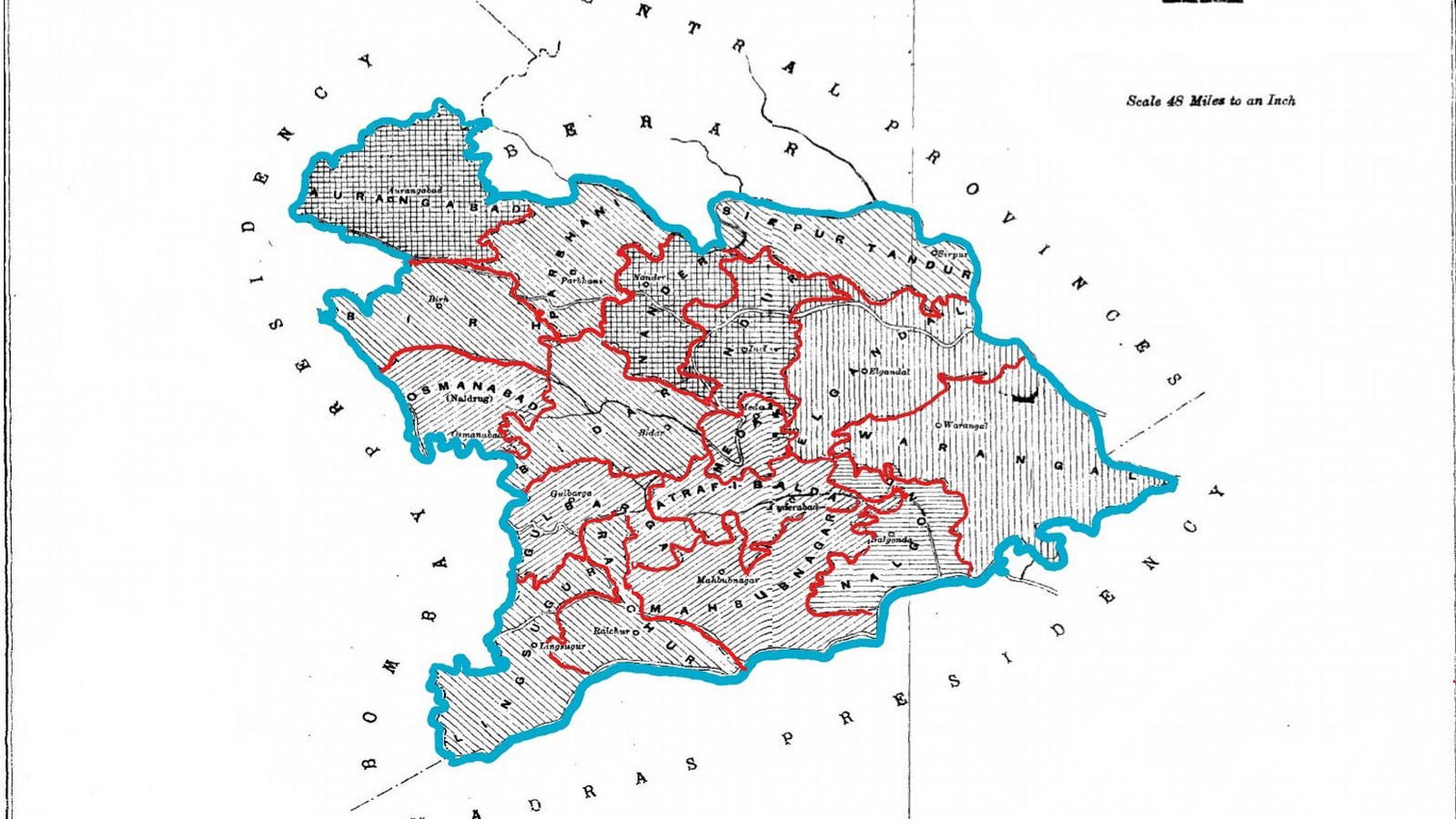
17 September 2026 marks 78 years since the surrender of the princely state of Hyderabad, an event that resulted in the territory’s integration into the Indian Union.
Following the end of British rule in 1947, the subcontinent’s princely states were expected to accede to either India or Pakistan according to their geographical and political circumstances.
Hyderabad, ruled by the Nizam, was a large territory in central India with a Hindu-majority population and a Muslim ruler.
The Nizam attempted to preserve the state’s independence, while negotiations with the Indian government failed to produce a lasting settlement.
Internal tensions intensified, including through the activity of the Razakar militia and violence affecting local communities.
On 13 September 1948, India launched a military intervention officially known as Operation Polo and described at the time as a “police action”.
According to military chronology, the Nizam announced a ceasefire on the evening of 17 September. The formal surrender of the Hyderabad army took place the next day, 18 September, in Secunderabad.
Integration was followed by communal violence and abuses. The scale of casualties remains a sensitive subject, and estimates should be cited only from credible research and documentation.
The former state’s territory was subsequently reorganised, with administrative boundaries changing as Indian states were restructured.
Seventy-eight years later, 17 September is commemorated and interpreted in different ways across the region, requiring a distinction between documented facts and present-day political terminology.
Image: map from the Hyderabad Census Report 1901 / Wikimedia Commons, CC BY-SA 4.0. Historical map, not from 1948. Cropped to 16:9.
Source consulted: Hyderabad | Encyclopaedia Britannica.






0 Comments
No comments on this article yet. Be the first!