


On 19 September 1944, Finland signed in Moscow an armistice with the Soviet Union and the United Kingdom. The document ended fighting in the Continuation War but imposed severe territorial and military terms. It is not the peace treaty: that came in Paris in 1947.
Finland had entered the conflict with the USSR in 1941, after the losses of the Winter War (1939–1940) and in the context of Germany’s attack on the Soviet Union. There was no formal public alliance with Berlin, but Finnish forces fought alongside Germany against the Soviets, with their own aims, including in Karelia.
The Soviet offensive of 1944 and the changing European front forced a ceasefire. The armistice largely reconfirmed the 1940 borders, required the cession of Petsamo and the lease of the Porkkala peninsula for a Soviet base — for 50 years, according to reference works — plus reparations and military limits.
A crucial clause required German troops to leave. They did not go willingly; the Lapland War followed, in which Finland fought its former military partner, with heavy destruction in the north.
Finland kept its independence and political system. Post-war foreign policy was nonetheless shaped by Soviet proximity. The 82nd anniversary is a marker of diplomacy after defeat, not a simple legend of neutrality.
The usual confusion is between the 19 September 1944 armistice and the 1947 peace. The first stopped the fighting and set the terms; the second wrote them into treaty law.
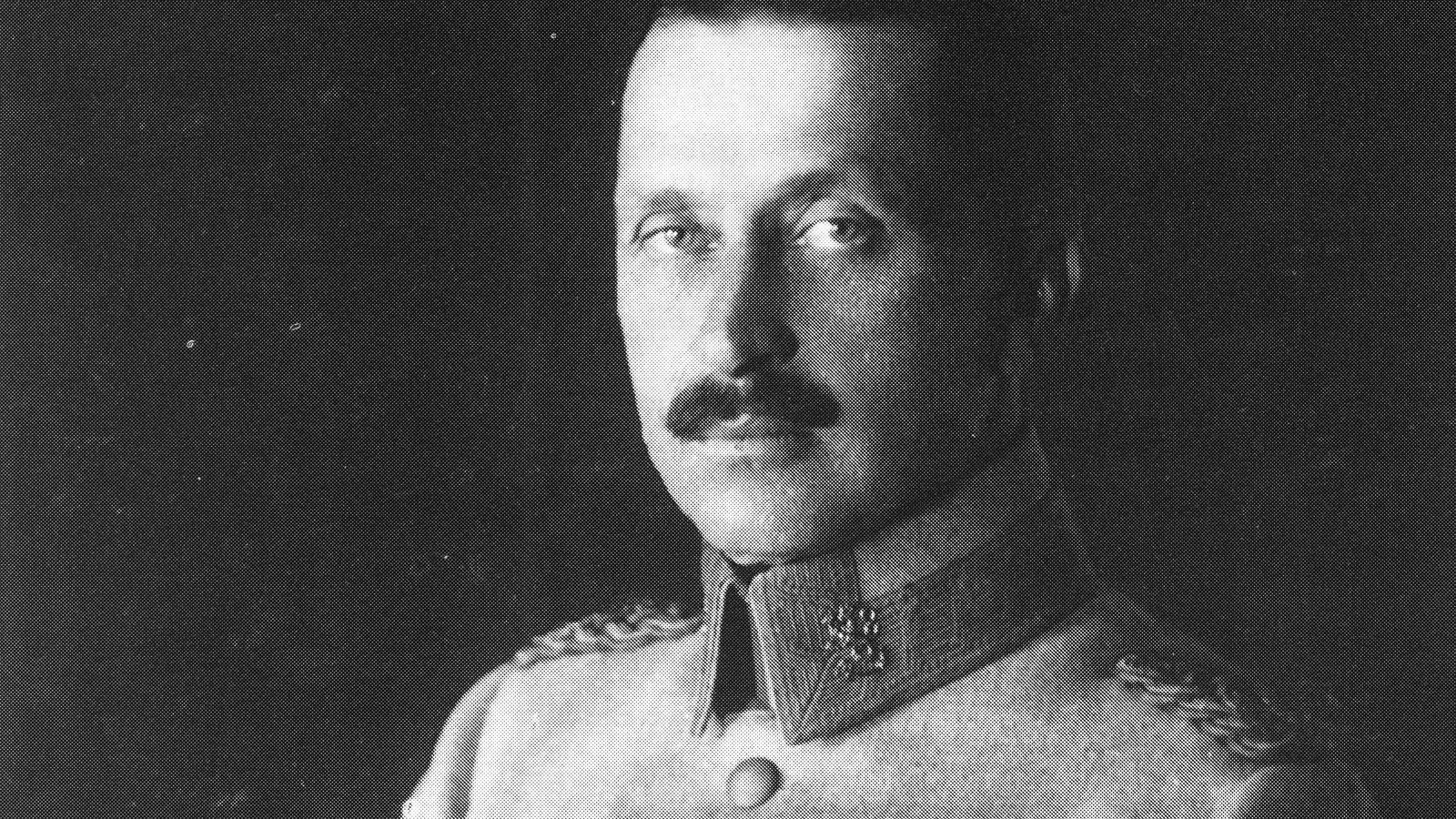
Image: Carl Gustaf Mannerheim / Wikimedia Commons, public domain. A period portrait, not the Moscow signing. Cropped to 16:9.
Source consulted: Finland during World War II | Encyclopaedia Britannica; Finland in World War II | finland.fi.











0 Comments
No comments on this article yet. Be the first!