
September 20, 2026 marks 839 years since Saladin’s army began the siege of Jerusalem. Operations lasted until 2 October 1187, when the city surrendered.
In July Saladin had defeated the army of the Kingdom of Jerusalem at Hattin and captured some of its leaders. Fortresses and towns passed under his control. Jerusalem was left isolated, crowded with refugees and short of knights.
The defence was organised by Balian of Ibelin, who knighted new defenders. Ayyubid forces attacked the walls; moving camp to more favourable ground increased the pressure. Encyclopaedia Britannica records a negotiated capitulation, not a general final storming.
Residents were generally allowed to ransom their freedom. The same sources mention releases without payment, and also thousands who, unable to pay, probably entered captivity. Figures vary by chronicle and should be attributed.
The surrender contrasted with the massacre of 1099, when Crusaders took the city. The contrast does not idealise 1187: displacement followed, bondage for some, and a change in how holy places were administered.
Jerusalem’s fall helped launch the Third Crusade. This article compares a medieval conflict; it does not assign blame to communities today.
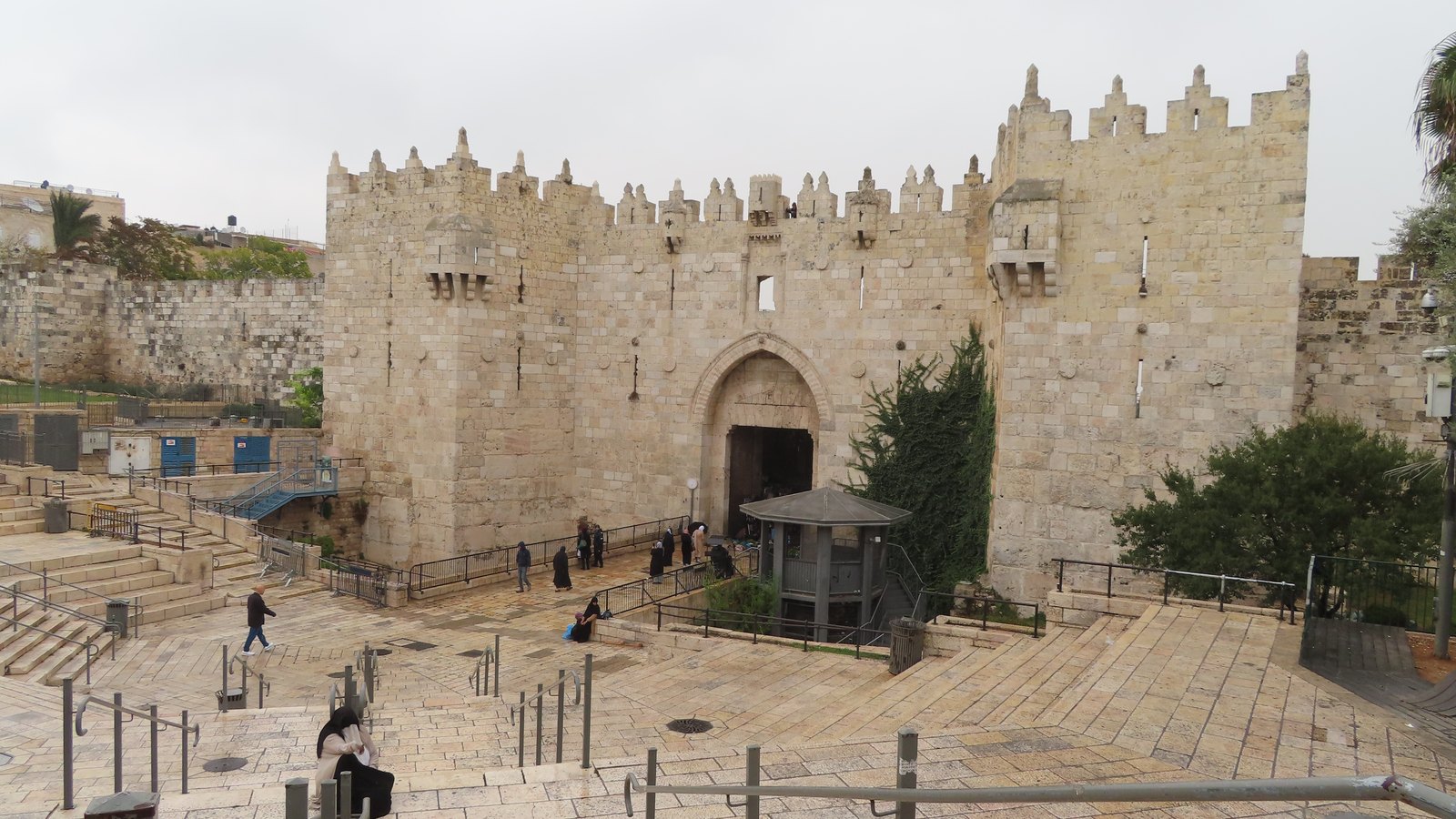
Image: Commons user بدارين, Damascus Gate, Jerusalem, 8 November 2022, CC BY-SA 4.0, Wikimedia Commons. Present-day site, not the 1187 siege. Cropped to 16:9.
Source consulted: Siege of Jerusalem (1187) — Encyclopaedia Britannica.




0 Comments
No comments on this article yet. Be the first!