
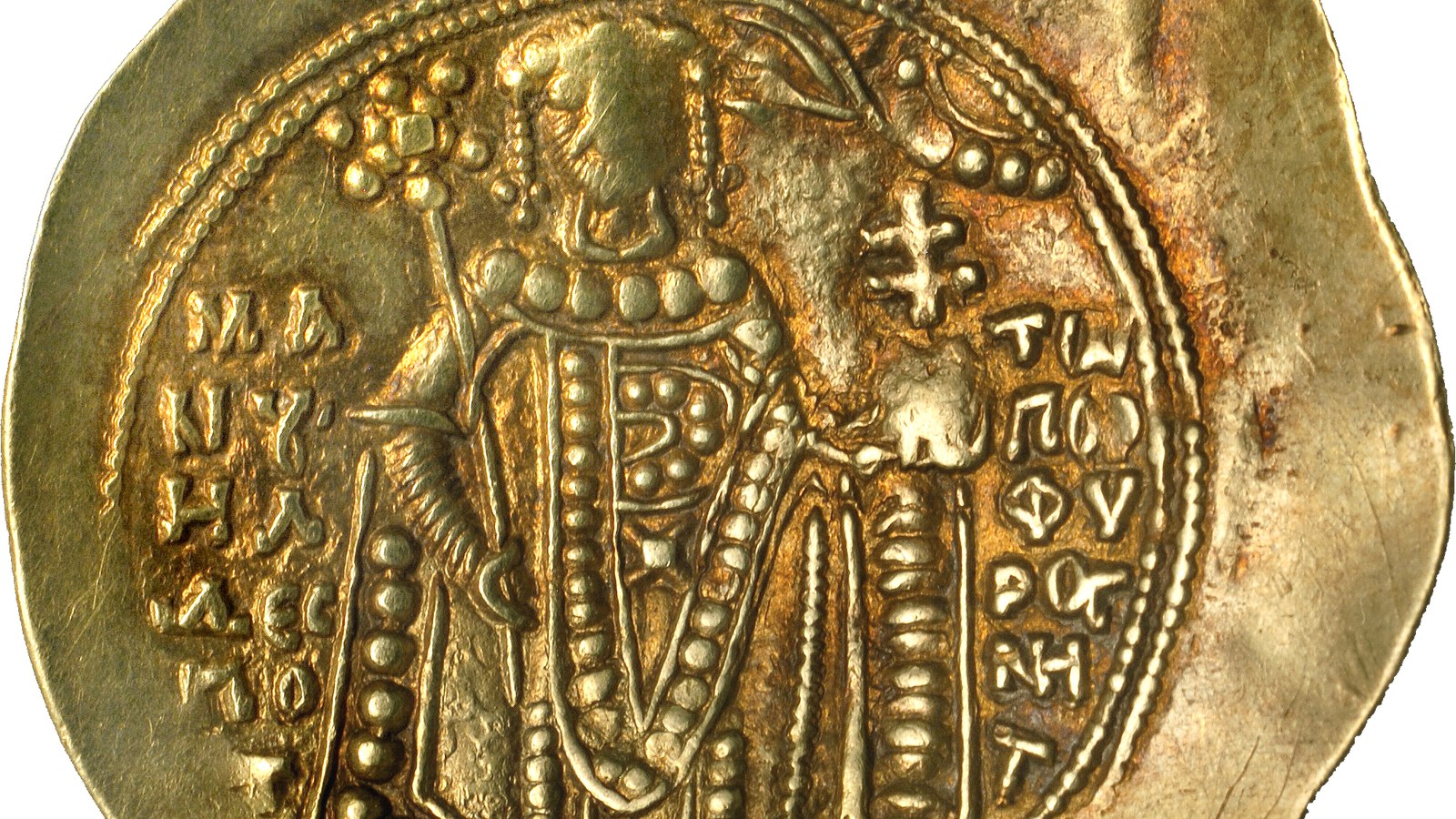
17 September 2026 marks 850 years since the Battle of Myriokephalon, a major confrontation between the Byzantine Empire and the Seljuk Sultanate of Rum. Emperor Manuel I Komnenos aimed to weaken Seljuk power in Anatolia and capture Iconium, modern Konya, capital of the sultanate ruled by Kilij Arslan II.
The Byzantine army was large and carried heavy siege equipment. Its column advanced through difficult terrain, where the length of the convoy and the narrow passage restricted manoeuvre. Seljuk forces attacked in a mountain pass, striking different sections of the column. Fallen wagons and animals blocked the road; dust and disorder increased the losses.
The army was not entirely destroyed, and the emperor escaped the trap. The loss of siege equipment nevertheless made it impossible to continue against Iconium. Manuel and Kilij Arslan reached an agreement requiring Byzantine withdrawal and the demolition of several fortifications. The terms were only partly implemented, and fighting continued.
The battle is sometimes compared with Manzikert in 1071. Myriokephalon did not cause the same immediate collapse, but it showed the limits of Byzantium’s ability to recover central Anatolia. Historians still debate the exact battlefield and the size of the armies. Dramatic figures in some medieval chronicles should be treated cautiously and attributed to their sources; we do not repeat them here as established fact.
Photo: gold hyperpyron of Manuel I Komnenos, struck in Constantinople. Photograph by Dumbarton Oaks, via Wikimedia Commons.
Source consulted: Encyclopaedia Britannica — Manuel I Comnenus; World History Encyclopedia — Battle of Myriokephalon.




0 Comments
No comments on this article yet. Be the first!