


Between 10 and 15 August 1904, in Nairobi, the British East Africa Protectorate government and Maasai leaders sign the 1904 Maasai Agreement — the colonial understanding by which the Maasai cede Central Rift Valley pastures in return for two exclusive reserves.
Commissioner Sir Donald Stewart signs on 10 August; on 15 August Lenana (Laibon) and Maasai section representatives affix their marks. Elburgu, Gekunuki, Loita, Damat and Laitutok are to move to Laikipia; Kaptei, Matapatu, Ndogalani and Sigarari south of Ngong.
The document provides a road between reserves, ceremonial land on Kinangop, compensation for cultivation near Nairobi and a government station at Laikipia — with a pledge that the settlements remain closed to European settlers.
In practice the agreement opened the Rift Valley to colonisation; a second agreement (1911) later redistributed the lands, leading to the 1913 Maasai court case.
For Kenyan colonial history, 15 August 1904 marks the Maasai signature of the 1904 agreement.
The text is published in documentary editions (One More Voice / Ardhi).
The Anglo-Maasai agreement of August 1904 remains the Laikipia–Ngong reserves milestone.
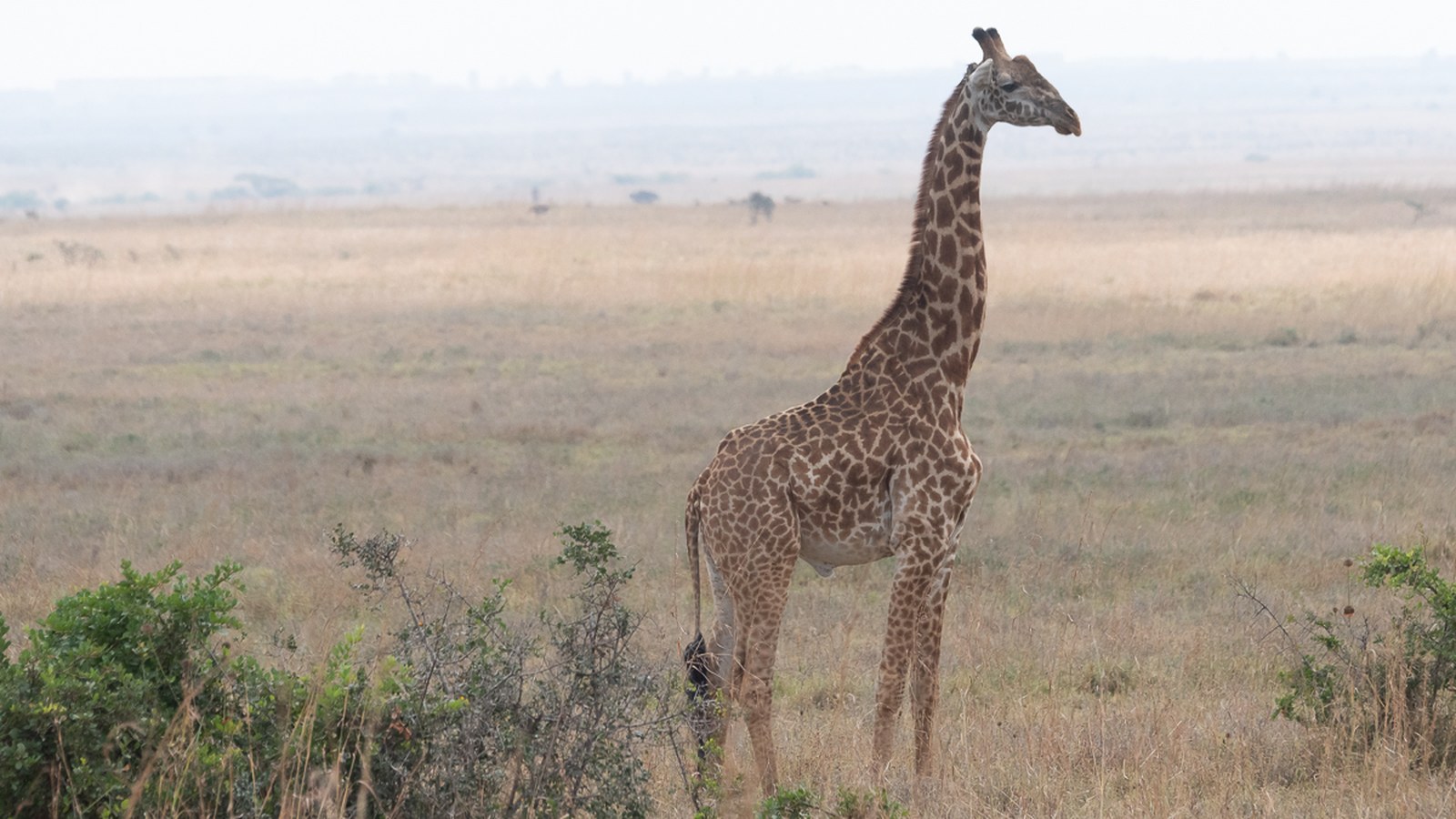
Image: Kenya; Wikimedia Commons. Cropped to 16:9.
Source consulted: Anglo-Maasai Treaty (1904). Treaty text: One More Voice — Treaty/Agreement of August 1904.











0 Comments
No comments on this article yet. Be the first!