


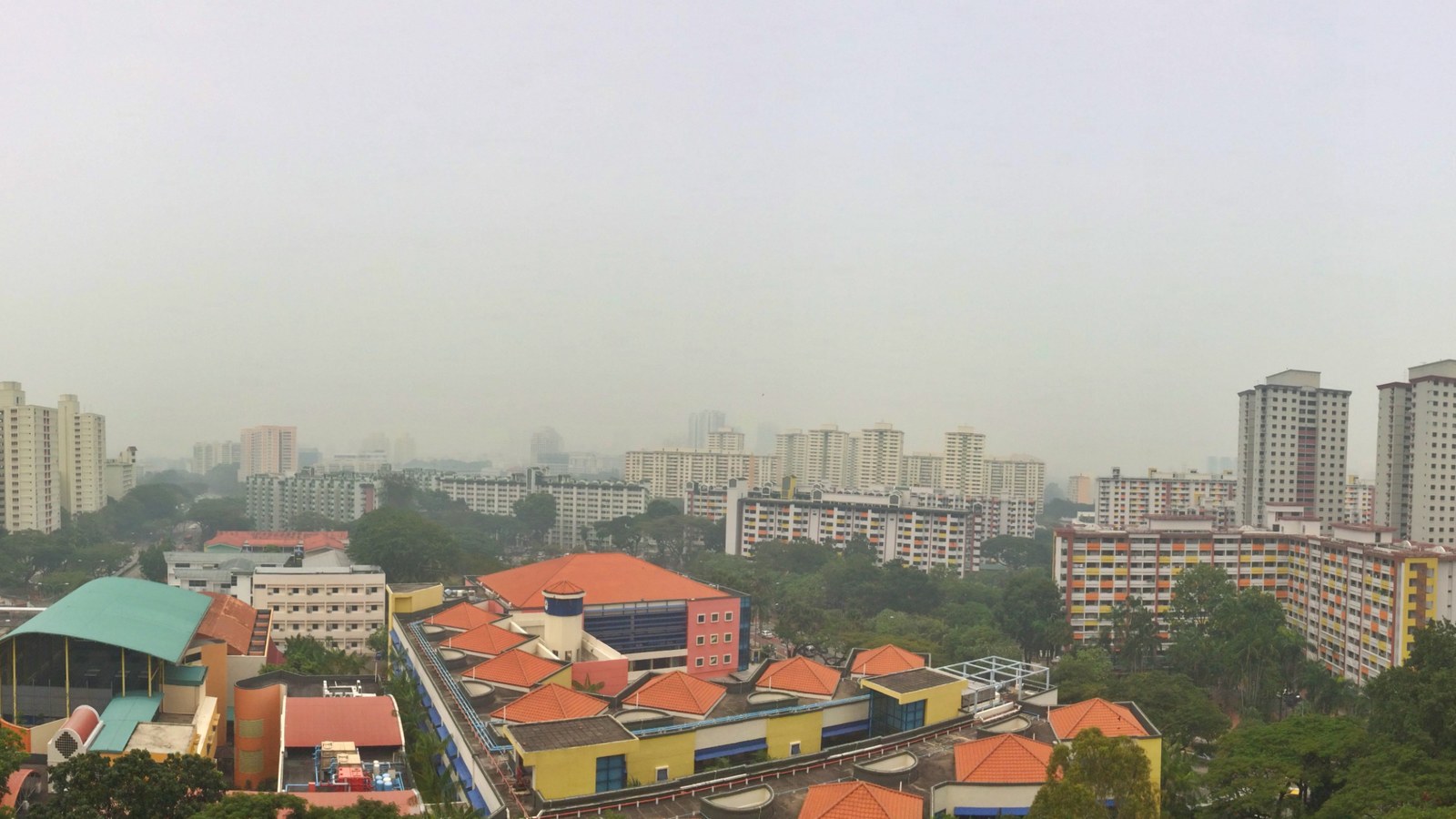
The ASEAN Specialised Meteorological Centre (ASMC), based near Singapore’s Changi Airport, activated Alert Level 3 for the southern part of the region. That is the top of a four-step scale (0–3) and signals a high risk of severe transboundary haze. The notice appeared on Friday, 16 October 2026; Malay Mail, with AFP, reported it on Saturday. It is the third such alert this year, after 27 March and 26 August.
The threshold is met when hotspots persist, moderate-to-dense haze lasts two days running, dry weather holds and the wind carries smoke towards neighbouring countries. Fires in Indonesia — Kalimantan and southern Sumatra — are the main source. Smoke covered parts of Peninsular Malaysia, Singapore, Kalimantan, Sumatra and western Sarawak. Air stations recorded levels from unhealthy to hazardous.
Cloud and thick smoke hid, ASMC itself says, the true extent of the fires. In the coming days, showers expected over Peninsular Malaysia, northern and central Sumatra and parts of Borneo may help locally. In areas dry for months, the risk stays high. Winds in the south are expected mainly from the southeast to the southwest.
The haze has lasted for months: schools closed, respiratory complaints up. Singapore said on Friday it would send warnings to seven companies in Indonesia identified as responsible for fires, and that the worst may still come. Those are administrative warnings, not a conviction.
In northern ASEAN, ASMC saw dry weather but few hotspots, apart from showers in the southern Mekong and the Philippines. The contrast shows Alert Level 3 is for the south, not the whole bloc.
This article is not medical advice and is not an air-quality bulletin for a particular town. Residents should follow national authorities, not a regional summary.
Image: Jimmy Tan, haze in Singapore, 2015, CC BY 2.0, Wikimedia Commons; archive of an earlier episode, not the 16 October 2026 satellite pass.
Sources consulted: Indonesia fires trigger highest-level regional haze alert - Malay Mail / AFP; Regional Haze Situation - ASEAN Specialised Meteorological Centre.






0 Comments
No comments on this article yet. Be the first!