
Students and young programmers in Europe and Canada can again send code to run on the Astro Pi computers aboard the International Space Station. ESA and the Raspberry Pi Foundation opened the 2026/2027 European Astro Pi Challenge on 14 September, also listed in ESA’s Back to School pack.
The challenge has two levels. Mission Zero, for ages 9–16, asks for a simple Python program that displays an image on the computer screen, using a light reading. Mission Space Lab, for ages 12–19, asks for a program that logs sensor or camera data, for example on vegetation (NDVI) or the speed of the ISS. Every eligible Space Lab program is guaranteed a ten-minute flight slot.
Astro Pi does not mean control of the ISS or of critical systems. The code runs on dedicated Raspberry Pi educational computers under conditions set by the organisers. Participants must be 19 or younger at submission and have a registered mentor. Mission Zero closes at 12:00 UTC on 22 March 2027.
This year’s ambassador is ESA astronaut Thomas Pesquet, who held the role in 2016/2017 and 2020/2021. The programme is implemented nationally by the ESERO network. Romania, as an ESA member state, is eligible.
The programme combines STEM education with indirect access to a laboratory in orbit. Eligible projects run on the dedicated computers, not on the station’s flight systems.
ESA uses Astro Pi as an educational laboratory in orbit, not as a student-run space mission.
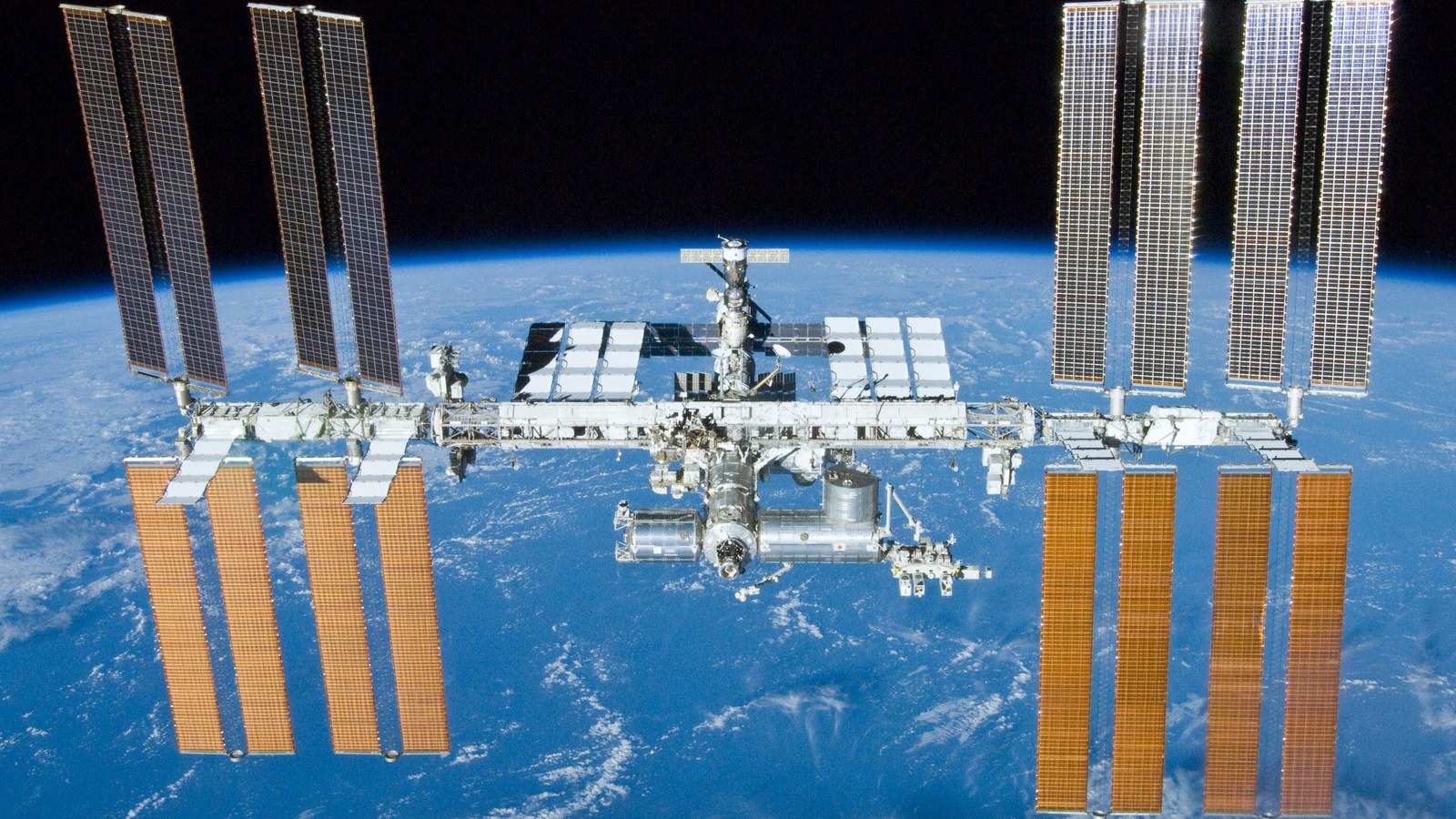
Image: NASA / STS-132 crew, International Space Station, 23 May 2010. Public domain. Not a photograph of the 2026/2027 Astro Pi challenge. Cropped to 16:9.
Source consulted: Raspberry Pi Foundation — Launching Astro Pi 2026/27; European Astro Pi Challenge; ESA — Back to School 2026-2027.




0 Comments
No comments on this article yet. Be the first!