
Britain’s hot, sunny summer of 2026 put plenty of butterflies in gardens, and the Big Butterfly Count recorded a striking result: 101,565 participants reported almost 1.4 million butterflies and day-flying moths. According to Butterfly Conservation, also reported by The Guardian on 16 September, it was the second-best year in the 16-year history of the citizen-science campaign — not the second-best biological level on record for every British butterfly population.
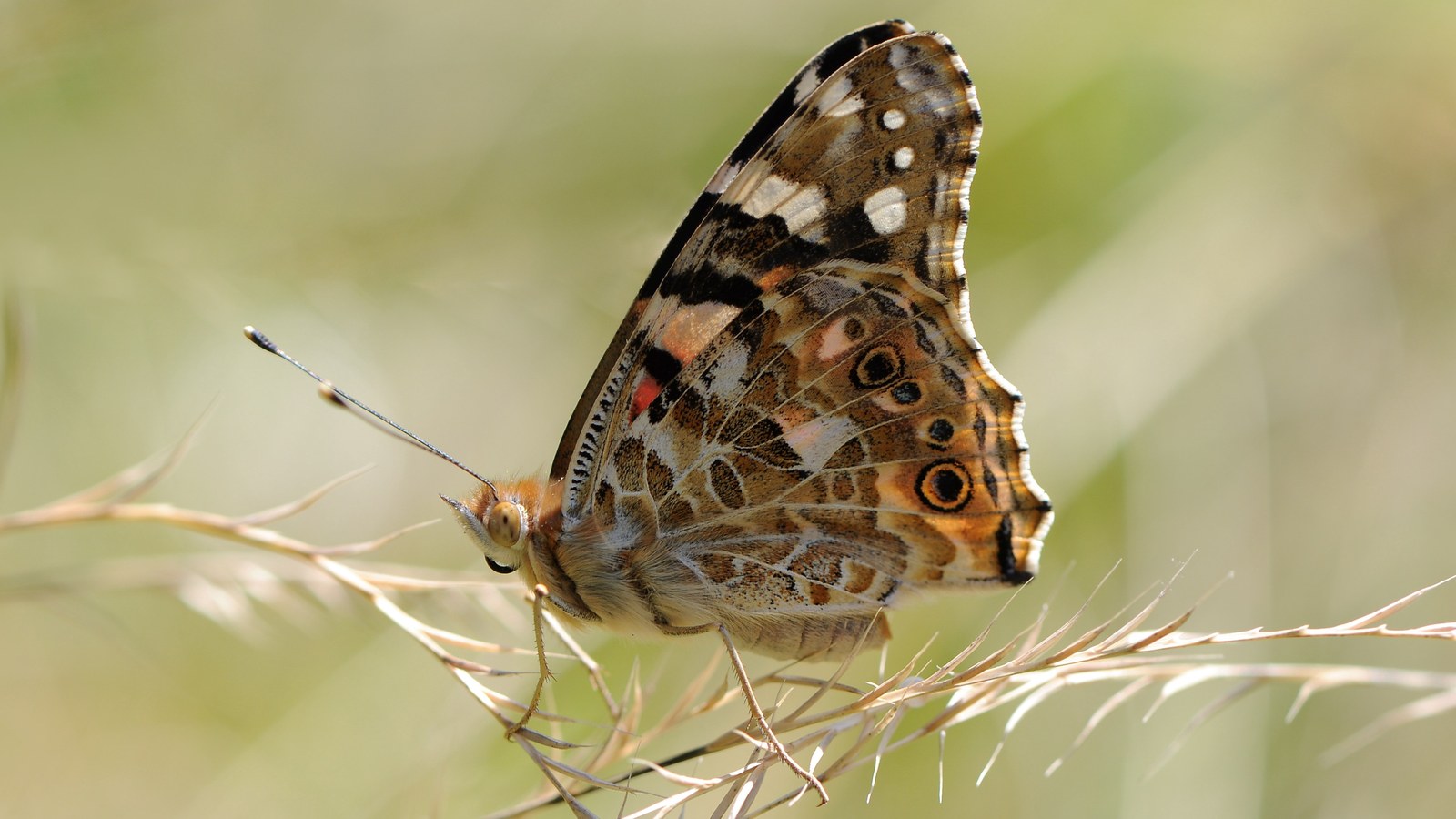
Some species had remarkable seasons. Holly Blue and Gatekeeper achieved their best Big Butterfly Count results, while Small Copper had its third-best year. The migratory Painted Lady rose by about 335% compared with 2025. Small White was the most frequently recorded species, with more than 281,000 sightings.
At first glance the figures describe an exceptional summer. Professor Richard Fox, Butterfly Conservation’s head of science, said it had been one of the hottest, driest summers on record and that the numbers suggested good news for many widespread species monitored by the Count. The warning follows immediately: large numbers of visible adults do not guarantee a healthy generation in 2027.
Adults fly, feed and breed more easily in warm, sunny weather. Drought can, however, dry out the plants on which caterpillars depend. That is the paradox of 2026: weather that made butterflies highly visible may harm the generation expected next year. It is a risk, not a firm prediction that populations will collapse.
Butterfly Conservation points to the droughts of 1976 and 1995, which were followed by severe effects on some species. Not every species prospered in 2026 either. Speckled Wood, Green-veined White and Ringlet, which are sensitive to dryness, were recorded below average. Small Tortoiseshell had its second-worst Count result and has declined sharply since the series began.
The findings need careful reading. The Big Butterfly Count is a campaign of standardised 15-minute public observations. It is not the same as the UK Butterfly Monitoring Scheme, which uses different methods for population trends. “Second-best year” therefore refers to the Count, not a conclusion that British butterfly fauna reached its second-highest biological peak in history.
Longer-term data remain concerning for many species. Previously published UKBMS statistics show declines over longer periods, against a background of habitat, pollution and climate. Butterflies are also indicators: their abundance says something about ecosystems, not only about a good flying season.
The 2026 result therefore leaves two apparently contradictory messages: people saw a great many butterflies, but the conditions behind that spectacle may make life harder for the next generation. The real effect will become clearer in the 2027 counts.
Photo: Friedrich Böhringer, Wikimedia Commons, CC BY-SA 2.5. Painted Lady (Vanessa cardui). A species mentioned in the results, not a photograph from the 2026 Big Butterfly Count. Cropped to 16:9.
Source consulted: Record heatwaves bring Britain’s second-best butterfly season in 16 years (The Guardian); Butterfly Conservation.





0 Comments
No comments on this article yet. Be the first!