
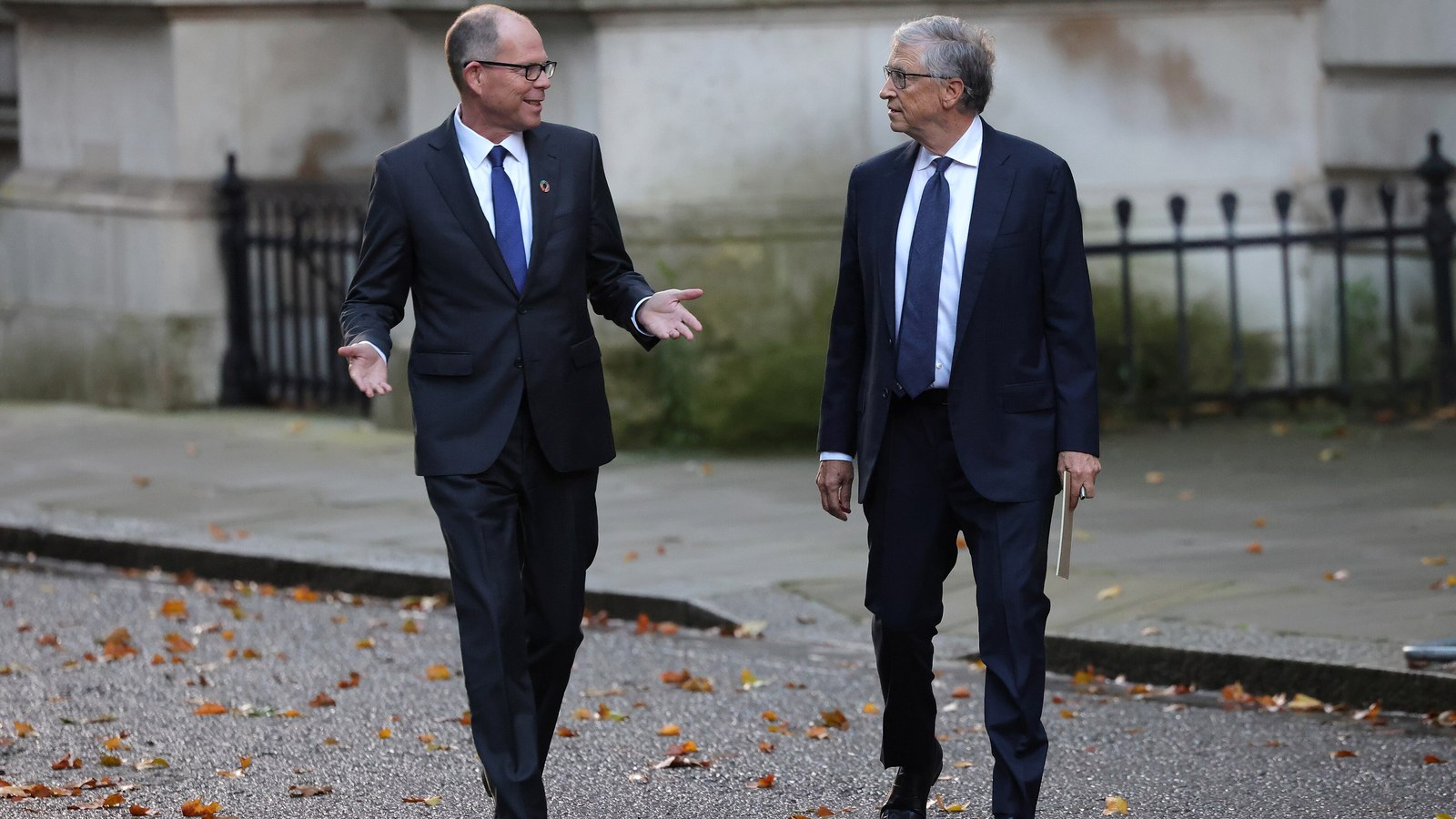
Bill Gates argues, in an essay published on Gates Notes, that artificial intelligence could be “the greatest equalizer ever invented” or “the worst source of injustice”. The wording is his. It is not an independent report and not Microsoft policy.
His case is that the outcome will not turn only on model performance, but on decisions about access, education, healthcare, infrastructure and support for people whose jobs change. Tools may cheapen some services. They may also concentrate advantages where data, capital and computing power already sit.
Gates writes that the transition will be turbulent, that the world is not preparing adequately, and that analogies with the PC or the shift from farms to offices mislead: AI runs on devices we already have and can, he says, substitute for cognitive tasks. Read those sentences as opinion, not a demonstrated forecast.
He lists risks, including job loss — “Many jobs will disappear forever” — and calls for a more flexible safety net and a democratic policy process, not market speed alone. He discloses financial ties to the industry; profits, he writes, go to the foundation.
The essay does not decide who pays for retraining. The questions remain for governments: how to measure effects on vulnerable groups, and which services must stay available without a screen.
The source is the Gates Notes text, not a television interview. This account labels the piece as analysis of an opinion essay.
Equaliser or injustice: that is Gates’s dilemma. It is not the newsroom’s verdict.
Image: 10 Downing Street, Bill Gates and Mark Suzman in London, 17 October 2024, OGL 3, Wikimedia Commons.
Source consulted: The turbulent AI era is here. The choices we make now are critical — Gates Notes.






0 Comments
No comments on this article yet. Be the first!