


On Wednesday, 21 October 2026, BRIN astrophysicist Thomas Djamaluddin said the metal object found on Monday morning in a palm plantation near Sampit, Central Kalimantan, matches, on orbit, the remnant of China’s ZhuQue-2E rocket. An orbital match is an identification. It is not a laboratory confirmation and not an attack.
On BRIN’s data, the remnant passed north to south over Kalimantan on Sunday, 18 October, around 17:36 Western Indonesia Time, near Sampit. Residents reported a rumble at about 17:30. Those are two close times, not two events. Thomas: it was the last trajectory before re-entry. “Strong grounds to assume,” not 100 percent.
Physical examination is still required: shape, material, markings against the rocket’s technical data. Local police chief I Kadek Dwi Yoga Sidhimantra: an aluminium plate up to 9 metres, irregular, with burn marks. Civil aviation spokesman Zachrudien: no deaths, no property damage, no radiation or toxicity risk announced.
On Tuesday morning, also Zachrudien, a second fragment, round, was found about a kilometre away. Both pieces are at a nearby military airbase for checks. The second object is “related” from photographs, he said; the material looks like an aluminium alloy, “we will need to verify.”
ZhuQue-2E is a commercial LandSpace rocket, methane and liquid oxygen. Xinhua: the Y4 launch from Dongfeng on 14 October, with ten satellites, was declared a success. After the mission, spent stages can stay in orbit until they fall. China’s space agency could not be reached immediately, the Jakarta Post writes.
Thomas said debris usually falls in the oceans. The Jakarta Post cites ESA: the risk to people is small, but it has grown with more flights. That is context, not a tally of the Sampit hole. Until the physical exam, the object remains “presumed.”
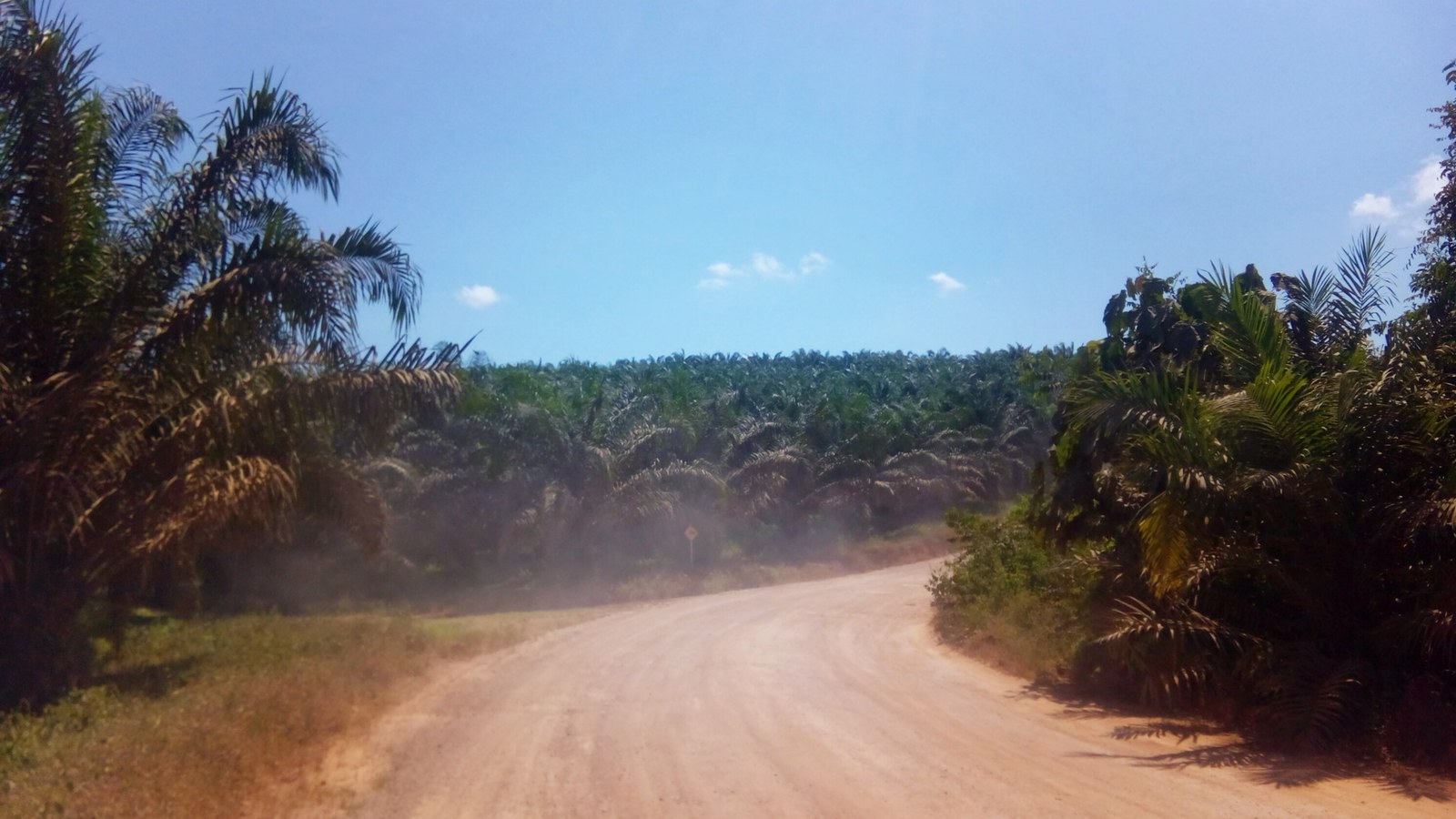
Image: a palm plantation in Lamandau Regency, Central Kalimantan, 11 August 2016, Rasyid Ridha, CC BY-SA 4.0, Wikimedia Commons. Another district, not the Sampit impact site.
Sources consulted: BRIN traces Sampit space object to China's satellite-launch rocket — ANTARA; Indonesia probes crash of suspected Chinese rocket fragment — The Jakarta Post; Suspected Chinese Rocket Debris Crashes in Indonesia: BRIN Explains — Tempo.









0 Comments
No comments on this article yet. Be the first!