


The president of the European Commission for Democracy through Law (the Venice Commission), Marta Cartabia, led a working visit to Romania’s Constitutional Court on Monday 19 October 2026. The Court’s statement, carried on Tuesday by Radio Romania and AGERPRES, records the meeting. It does not announce a new Venice Commission opinion, and it is not a Constitutional Court judgment.
The delegation is in Bucharest for the 2026 Rule of Law Forum, listed for 20–21 October. On 19 October the Venice Commission reported bilateral meetings, including with Romania’s president, the interim prime minister, Senate and Chamber of Deputies leaders, and judges of the Court, marking thirty-five years of cooperation with Romania.
Opening the meeting at the Court, President Elena-Simina Tănăsescu said that, throughout its existence, the Court had been active on the rule of law and had kept a constructive dialogue with the Venice Commission. Also present for the Court were judges Laura-Iuliana Scântei, a full member of the Commission, Asztalos Csaba Ferenc, Mihai Busuioc and Dacian Cosmin Dragoș.
Cartabia said, according to the statement, that the updated Rule of Law Checklist had been translated into Romanian. The document is listed on the Commission’s site as CDL-AD(2025)002-rom. The intention to translate it into all Council of Europe member-state languages remains a plan, not a completed fact.
“When we talk about the rule of law, we tend to think that it is the exclusive domain of lawyers, but ultimately, we are talking about the backbone of our democracies,” the Commission president said, as quoted by the Court. She added that democratic institutions are always affected when the independence of the justice system is weakened, and that constitutional courts are, in her reading, on the front line in applying European values.
The talks covered the inclusion of constitutional review in the checklist and adapting the tool to current challenges, including new technologies, described at the meeting as “a form of power.” Those remarks belong to a working visit. They are not a formal Venice Commission opinion and they do not decide cases pending before the Court.
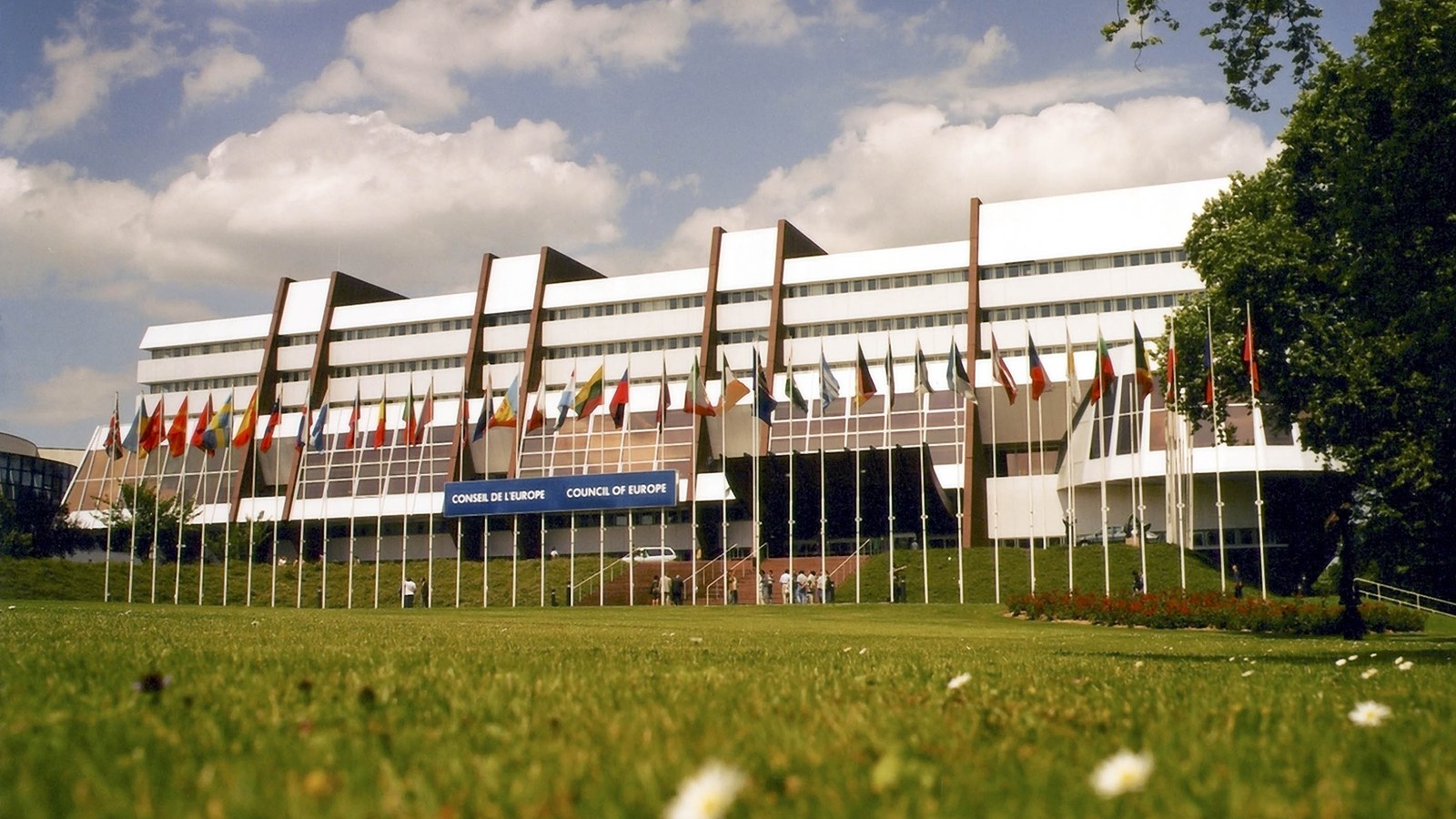
Image: Palais de l'Europe, Strasbourg, Council of Europe, CC BY 3.0, Wikimedia Commons. The Council of Europe building, not the Romanian Court’s meeting room.
Sources consulted: Președinta Comisiei de la Veneția, la CCR: Instituțiile democratice sunt întotdeauna afectate de slăbirea independenței sistemului de justiție — Radio România; Venice Commission President Marta Cartabia says judicial independence is vital to democratic institutions — AGERPRES; Venice Commission delegation in Bucharest to mark thirty-five years of cooperation with Romania — Council of Europe.











0 Comments
No comments on this article yet. Be the first!