


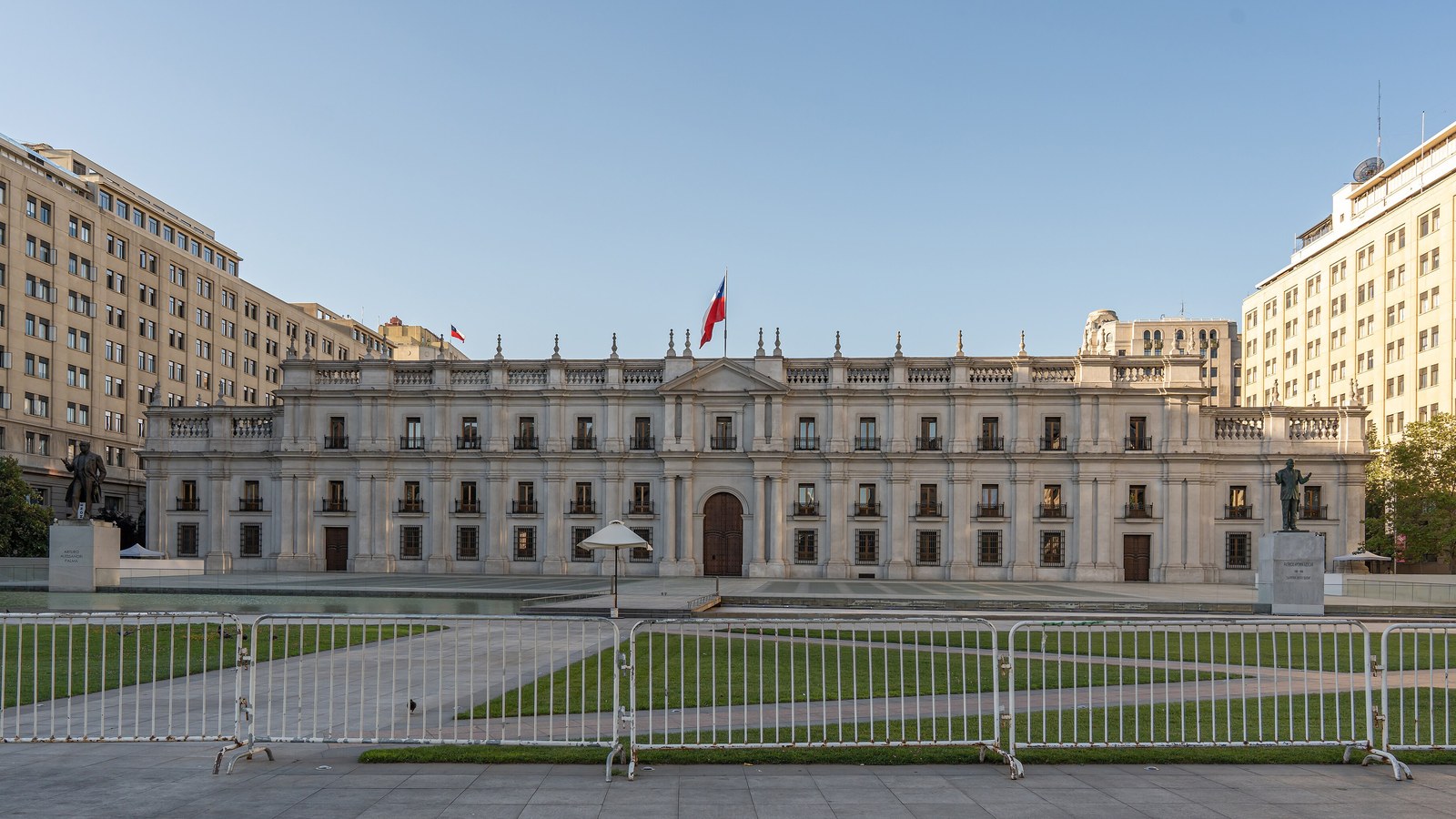
On 17 April 1998, in Santiago de Chile, Chile and Mexico sign the Chile–Mexico Free Trade Agreement — Mexico’s first such deal and Chile’s second, after Canada.
The text seeks to stimulate and diversify trade, eliminate barriers, promote fair competition, increase investment opportunities, protect intellectual property and create procedures for enforcement and dispute settlement.
Entry into force: 1 August 1999. Liberalisation initially targeted about 95% of the tariff universe; by 2016, 98.3% of products were duty-free.
Between 1998 and 2001, Mexican imports from Chile rose from USD 552 to 975 million; by 2005, total trade had grown by over 1200% since entry into force.
Provisions cover rules of origin, sanitary and phytosanitary measures, technical standards, safeguards, anti-dumping, investment and transparency. Both states later joined the Pacific Alliance and signed the Trans-Pacific Partnership.
Official sources — SICE/OAS, Chile’s DIRECON and Mexico’s DOF — confirm signature in Santiago on 17 April 1998.
The Chile–Mexico Free Trade Agreement of 17 April 1998 remains the cornerstone of the modern bilateral trade relationship.
Image: Santiago; Wikimedia Commons. Cropped to 16:9.
Source consulted: Chile–Mexico Free Trade Agreement. Treaty text: Chile–Mexico FTA (SICE/OAS).











0 Comments
No comments on this article yet. Be the first!