


China opened a public consultation on 16 October 2026 to add artificial-intelligence, biomedicine and photovoltaic technologies to its catalogue of banned or restricted exports. The Ministry of Commerce (MOFCOM) and the Ministry of Science and Technology issued announcement No. 48. Le Monde reported that Beijing wants to control the outbound flow of its AI systems.
The consultation covers 40 technologies: 23 in AI (large models, agents, compute clusters, information processing), five in biomedicine and 12 in photovoltaics. A MOFCOM spokesperson, quoted by Xinhua, said 14 would be banned and 26 restricted. Technologies already public through open source or academic papers are out of scope. Comments run until 15 November 2026.
Until the catalogue is revised, exporters must pre-register listed transfers on the MOFCOM platform, including shipments already started. For restricted models, a local overseas deployment counts as a technology export; API calls, apps, websites, SaaS and light on-device use, the spokesperson said, do not fall in the same box.
AP wrote that the move is framed as necessary for national security amid the technology race with the United States. The catalogue also covers key equipment that carries the technology, for example in photovoltaics. The notice is a draft plus a temporary registration, not a final statute and not a blanket ban on Chinese AI.
Most AI technologies would, according to MOFCOM, still be free to export after the rules take effect. This article is not investment advice or compliance guidance for exporters.
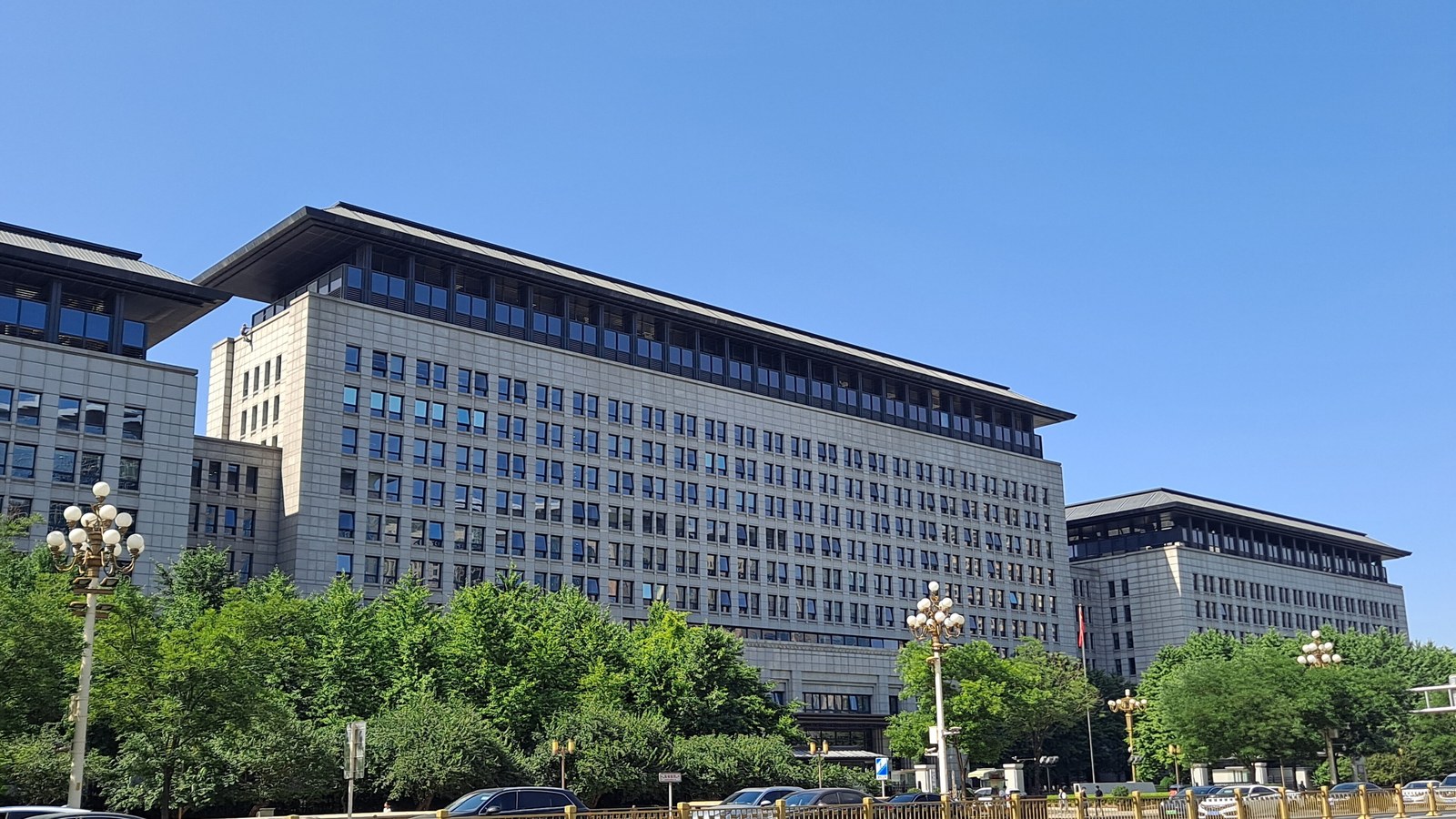
Image: EditQ, Ministry of Commerce of the PRC, Beijing, CC BY-SA 4.0, Wikimedia Commons; archive building, not a photograph of the 16 October 2026 consultation.
Sources consulted: La Chine veut contrôler la sortie de ses IA à l’étranger — Le Monde; MOFCOM–MOST Announcement No. 48 of 2026 — China’s Ministry of Commerce.











0 Comments
No comments on this article yet. Be the first!