


After a 31 October 2026 RO-Alert on a drone incursion — advising shelter in cellars or civil-protection spaces, or indoors away from windows — an analysis carried by Goldring argues Romania remains unprepared for conventional or drone attacks: functional shelters and public knowledge of their locations are lacking, five years into a war on the border.
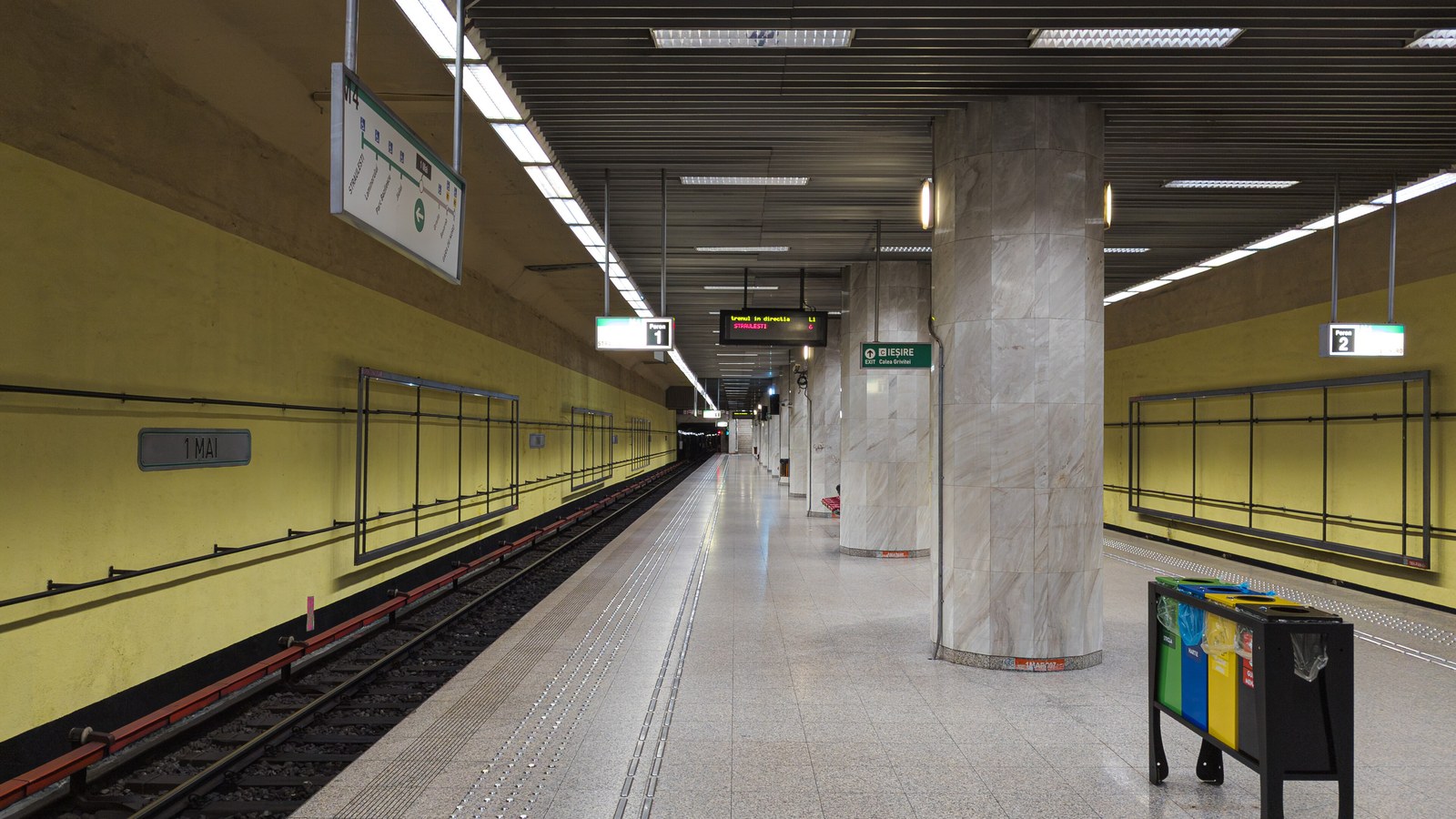
Critics point to missing basic measures for training, notification and shelter priorities, unlike major Ukrainian cities that use metro stations as refuge. Government and the Supreme Defence Council are blamed for inaction. The RO-Alert call to “stay calm” is called cynical without real drills and safe shelters.
IGSU / PressOne data show only about 545 of thousands of inventoried shelters (under 10%) are fully functional; population coverage is only a few percent. A Court of Accounts audit found few, unsanitary shelters with 1970s-era norms and fittings, many turned into storage.
In Bucharest most shelters are private (new blocks); in the provinces those listed as public are often non-functional. The analysis calls for public maps, metro access in emergencies, first-aid stocks in new buildings, and school/kindergarten basements kept usable as anti-drone refuges.
Frequent drone incidents have also revived talk of air bases closer to the Ukraine and Moldova borders pending anti-drone systems. Without clear places for people to go in the first minutes, an alert remains a signal without a destination.
Image: 1 Mai metro station, Bucharest (Wikimedia Commons, CC BY-SA 4.0).
Sources consulted: Criticism of Romania’s civil defence readiness amid drone alerts - Goldring.







0 Comments
No comments on this article yet. Be the first!