
Human-caused climate change probably contributed to the conditions behind the ice and rock collapse on 26 August 2026 from the Langtang Lirung slope, according to a World Weather Attribution analysis. Researchers examined regional warming, glacier retreat and changes in permafrost inside mountain slopes, not a single extreme-weather episode.
The failure of a section of rock wall and ice from about 5,150 metres released a rock-ice avalanche that rapidly became a debris flood along the Trishuli corridor. The human toll remains incomplete: WWA and press accounts speak of more than 1,300 deaths and thousands missing in Nepal and Tibet. The seismic signal recorded at the time was linked to the impact, not to a separate earthquake that triggered the event.
Glaciers in the region have been losing mass for decades, thinning by the equivalent of more than half a metre a year. Langtang-Lirung has retreated, and ice that buttressed rock has weakened. The altitude of persistent freezing has risen, and July and August 2026 were unusually warm locally. The 2015 earthquake may have weakened the rock mass years earlier. The disaster is described as a compound event, not a single cause.
The analysis does not claim the collapse would not have happened without climate change. The conclusion is one of probability and contribution: warming intensified processes that made the slope less stable. Early warning has limits when failure develops extremely quickly.
For the Himalaya the practical implication is monitoring of slopes, glaciers and permafrost, together with emissions cuts that limit these hazards over the long term. The WWA report uses recognised methods but is not itself a final peer-reviewed paper; that distinction should be kept.
Anyone reading the human toll should note that figures varied from day to day after the disaster. This article retains the “more than 1,300 deaths” threshold from concordant accounts, not a closed official total.
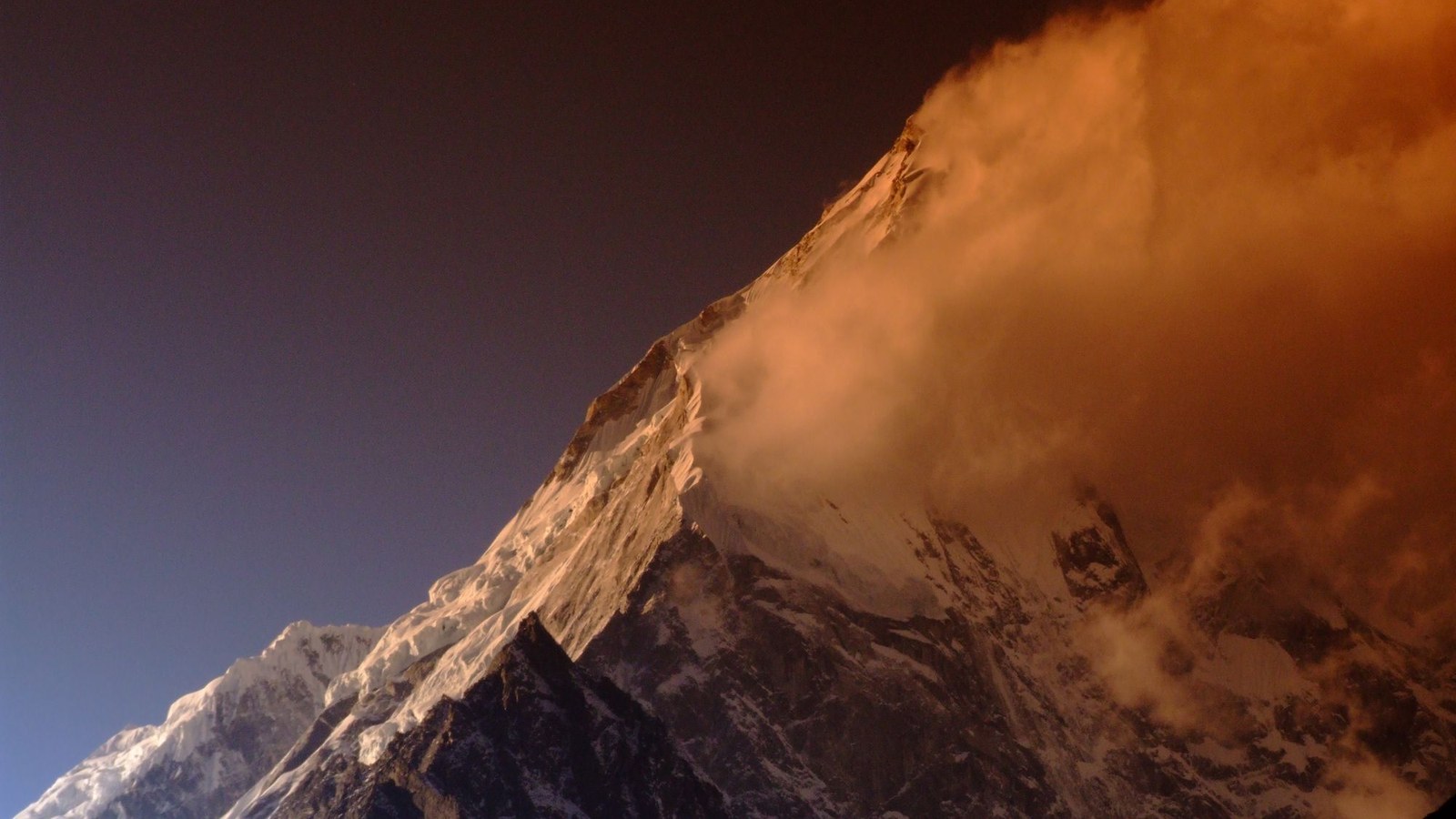
Image: Langtang, Himalaya / Wikimedia Commons. The massif of the area, not the 26 August collapse itself. Cropped to 16:9.
Source consulted: Rapid warming in the Himalaya | World Weather Attribution; Climate change and Nepal glacier collapse | Reuters.








0 Comments
No comments on this article yet. Be the first!