



On Tuesday 17 November, the European economy commissioner Valdis Dombrovskis said Romania’s situation gives reasons for concern. Asked by Camelia Donțu of Pro TV, he spoke of a 0.3% contraction this year and a recovery of 1.8% next year and 2.2% the year after. The path, he said, depends first on fiscal policy: Romania is applying strong consolidation measures, and the next steps remain uncertain.
On the deficit, Dombrovskis told Pro TV that this year he expects Romania to be on course to meet the 6.0% of GDP target and to stay on the corrective path of the excessive-deficit procedure. For next year he wants additional measures, so that the procedure stays suspended. He also said interest rates and credit ratings have to be watched. The main agencies keep Romania at investment grade, at the lowest notch of that category, all with a negative outlook.
Profit.ro writes that the autumn forecast, published the same day, sees a 0.3% contraction in 2026 and growth of 1.8% in 2027, below the May estimate, when the Commission expected plus 0.1% and plus 2.3%. On the deficit, Profit.ro gives 6% of GDP for 2026, below the 6.2% in the May forecast, in line with the ESA target the government set at the start of the year. For 2027 the forecast stays at 5.8%, and for 2028 it eases to 5.6%.
Antena 3 attributes to the commissioner an estimate of 6.2% of GDP this year and 5.8% next year, plus the statement that public debt passes 60% of GDP this year. The 6.2% figure appears in Profit.ro as the May forecast, while Tuesday’s forecast is given there as 6%.
For the Union as a whole, Dombrovskis said, again in the Pro TV account, that deficits are rising because of defence spending, interest costs and the measures by which states shield households and firms from high energy prices. The average deficit would rise from 3.1% of GDP in 2025 to 3.6% this year, 3.7% in 2027 and 3.8% in 2028. Interest paid by states would go from 1.9% of GDP in 2025 to 2.4% in 2028, the highest level in more than ten years. Debt would rise in the EU from 82.6% in 2025 to 85.6% in 2028, and in the euro area from 88.6% to 91.3%.
Twelve member states reported deficits above 3% of GDP in 2026, and by 2028 the number would reach 16. The largest deficits in 2027, at least 5% of GDP, are expected in Poland, Romania, Belgium, France, Hungary and Slovakia. The commissioner expects the governments of these countries to answer with budgets that apply prudent fiscal policies, in line with the EU framework. The autumn package of the European Semester is due next, with an assessment of compliance with the fiscal rules.
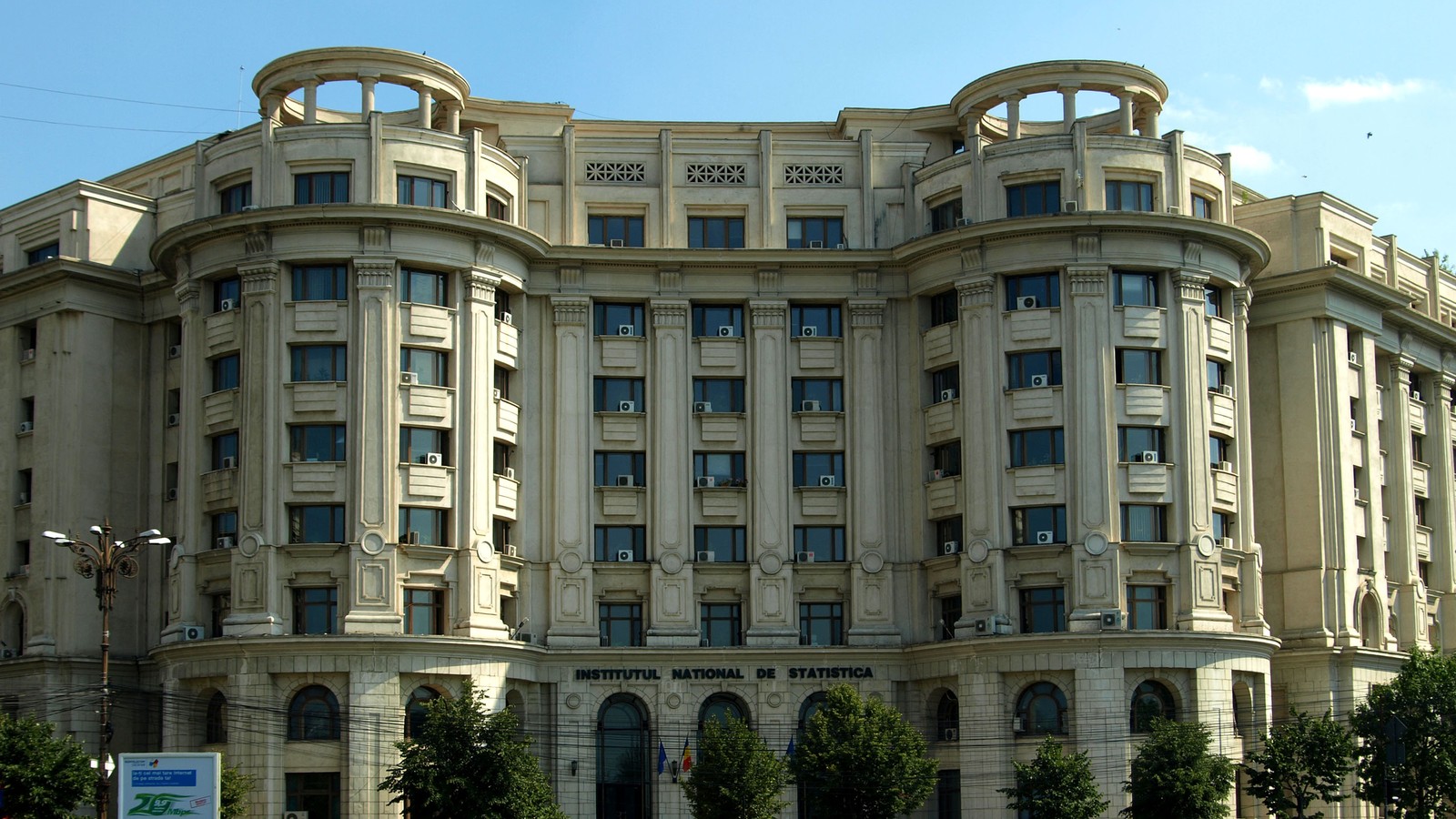
Image: Wikimedia Commons — the Berlaymont building of the European Commission, 8 August 2020 (Benoit Brummer, CC BY 4.0). The photo is not from Tuesday’s press conference.
Sources consulted: European commissioner on the reasons for concern about Romania — ProTV News; The autumn forecast and the measures asked of Romania — Profit.ro; A warning from Brussels on the budget deficit — Antena 3.









0 Comments
No comments on this article yet. Be the first!