
The European Research Council announced the eight winners of its 2026 Public Engagement with Research Awards on 17 September. The prizes, in their fourth edition, recognise ERC grantees who have worked with audiences beyond ordinary academic communication. Each award is €10,000. There were 110 applications from 26 countries.
These are not Starting Grants. The Starting Grants round in the same week is a different contest, with a different budget. This prize is about public engagement: citizen-collected data, debate, theatre.
The official list: Elaine Chew (King’s College London) — music and cardiovascular health; Katalin Csilléry (WSL, Switzerland) — forest micro-gardens in 23 countries; Konstantina Kilteni (Karolinska and Donders) — the neuroscience of ticklishness; Prabha Kotiswaran (King’s College London) — women’s invisible labour in India.
Sarah Lebeer (University of Antwerp) — microbiome and women’s health; Karim Lekadir (University of Barcelona) — AI-supported pregnancy ultrasound in rural Kenya, locally renamed “Scan Zetu”; Valeria Pulignano (KU Leuven) — platform work; Roanne van Voorst (University of Amsterdam) — theatre on ethical dilemmas of AI in hospitals.
The prize measures the quality of interaction, not a ranking of every ERC project’s science. Commissioner Ekaterina Zaharieva said, in the release, that people want to understand how scientists know, not only what they say. The laureates are due to speak at the European Research and Innovation Days in Brussels in November.
The source is the ERC statement of 17 September. The names and affiliations above follow the official list, not a headline summary.
Eight people, €10,000, fourth edition. That is enough. No invented ranking among them.
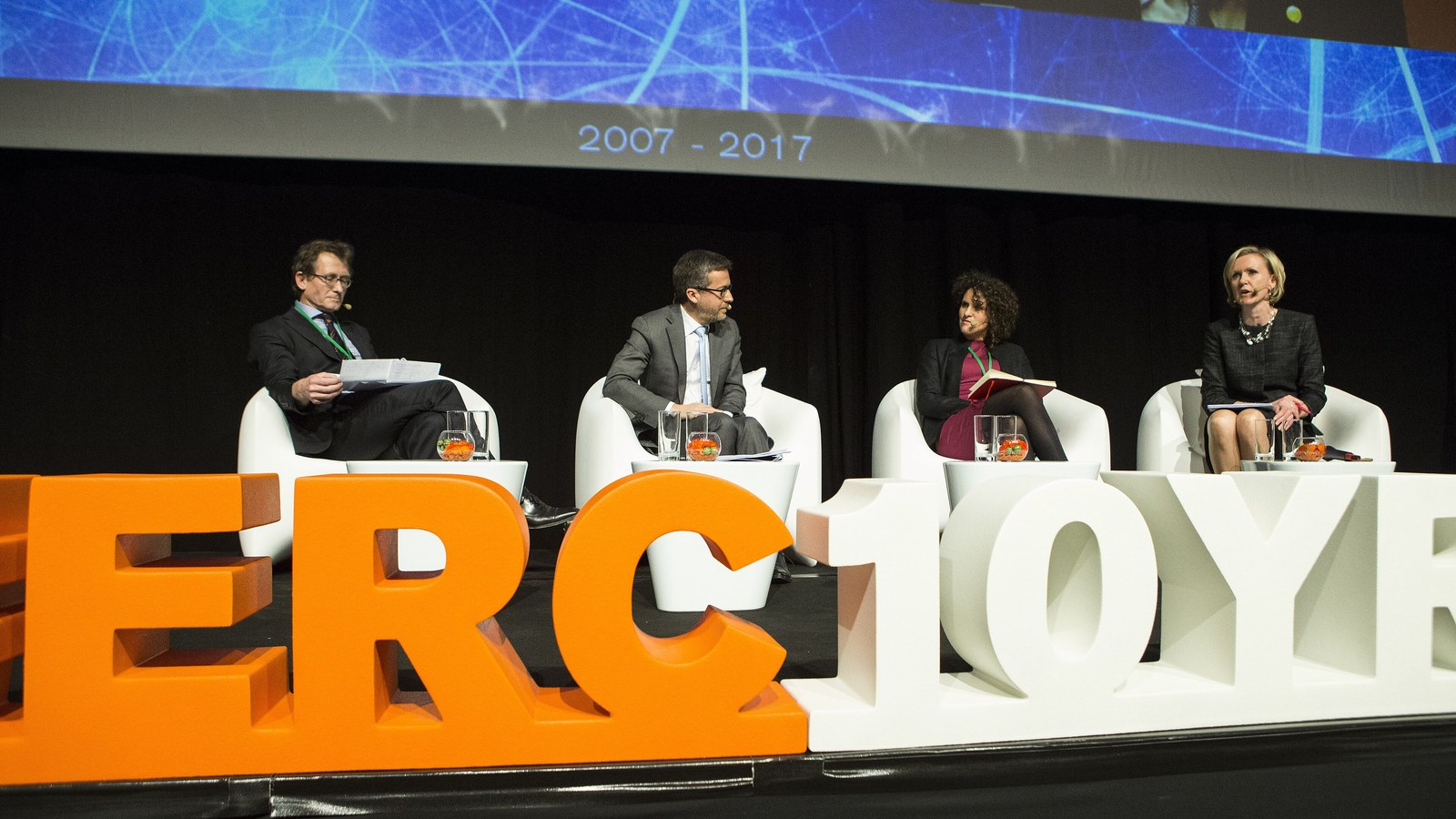
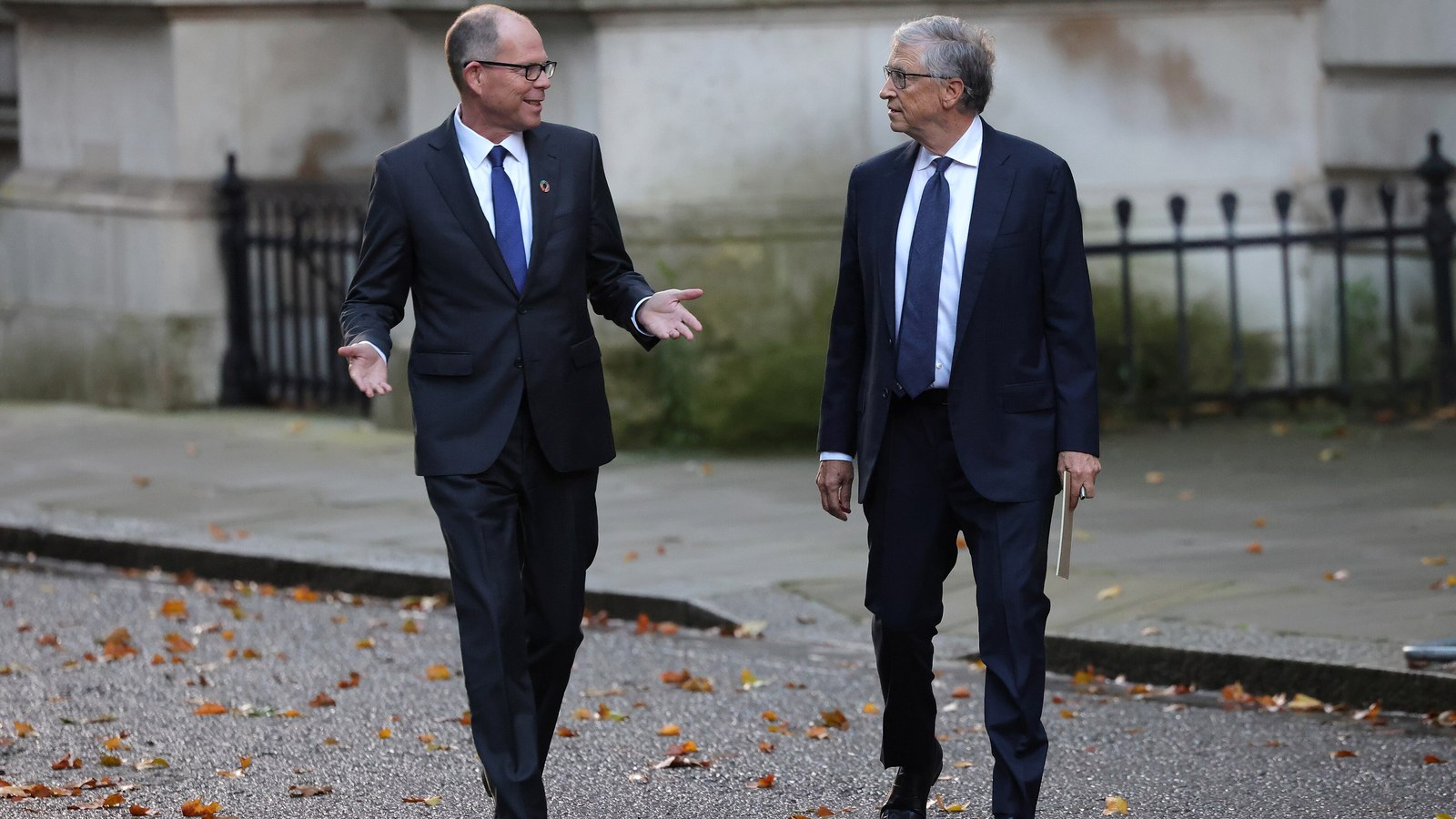
Image: Lukasz Kobus / European Commission Audiovisual Service, ERC conference (10-year anniversary), CC BY 4.0, Wikimedia Commons. Not the 2026 laureates.
Source consulted: Eight researchers win ERC public engagement awards 2026 — European Research Council.


0 Comments
No comments on this article yet. Be the first!