


The EU Anti-Trafficking Day falls on 18 October. On the 16th the Commission put out a new strategy and the sixth progress report. The figure in circulation — “more than 20,000 victims in a single year” — is not for one year. It is for two: 2023 and 2024, registered victims. Against 2021–2022 that is a 16.1% rise. Eurostat counted 10,793 in 2023 and 9,678 in 2024. Those are people identified. The Commission says many remain unseen.
The forms vary: sexual exploitation, forced labour, begging, forced crime, forced marriage. In 2024, of victims whose form was reported, 46% were for sexual exploitation, 37% for forced labour, 16% for other ends — organs, benefit fraud, crime, begging. Women and girls are 63% of registered victims. Citizens of the reporting country: 28%. Other EU citizens: 8%. From outside the Union: 64%. The Commission groups that as 36% EU / 64% extra-EU. Registered victims fell 8% from 2023; 12 states reported a rise, 14 a fall. Some said the rises also come from better detection, not only from more crime.
Trafficking, Brussels writes, has moved further online. Platforms, digital tools, artificial intelligence used to deceive. The response has to move with it. The strategy has six pillars: technology for detection and investigation; a European business coalition against trafficking and labour inspectors through the European Labour Authority; hitting transnational networks, including asset recovery; prevention on migration routes, with tools from the Pact on Migration and Asylum; crisis guidance, following the plan with Ukraine; victim protection as part of the investigation, not an add-on.
The revised directive entered into force in 2024: stronger investigations, support, child protection, criminalising those who knowingly use a victim’s services, online sexual exploitation as an aggravating factor. In July 2026 the Commission also proposed a sanctions regime for smugglers, trafficking and organised crime. The strategy does not replace the law. It adds goals.
Magnus Brunner, commissioner for home affairs: “People should not be for sale.” Traffickers are changing methods, online and along the routes. The response, he said, must change too: partnerships, the Europol mandate, the directive applied. The strategy goes to Parliament and the Council. The anti-trafficking coordinator stays to work with states, the civil-society platform and the agencies.
The figures do not measure everything. They measure what reached the records. A year with 9,678 registered victims is not a “better” year than one with 10,793 if identification has weakened. That is why the Commission puts two years together. And why 20,000 is not a single-season record. It is a two-year tally, with gaps.
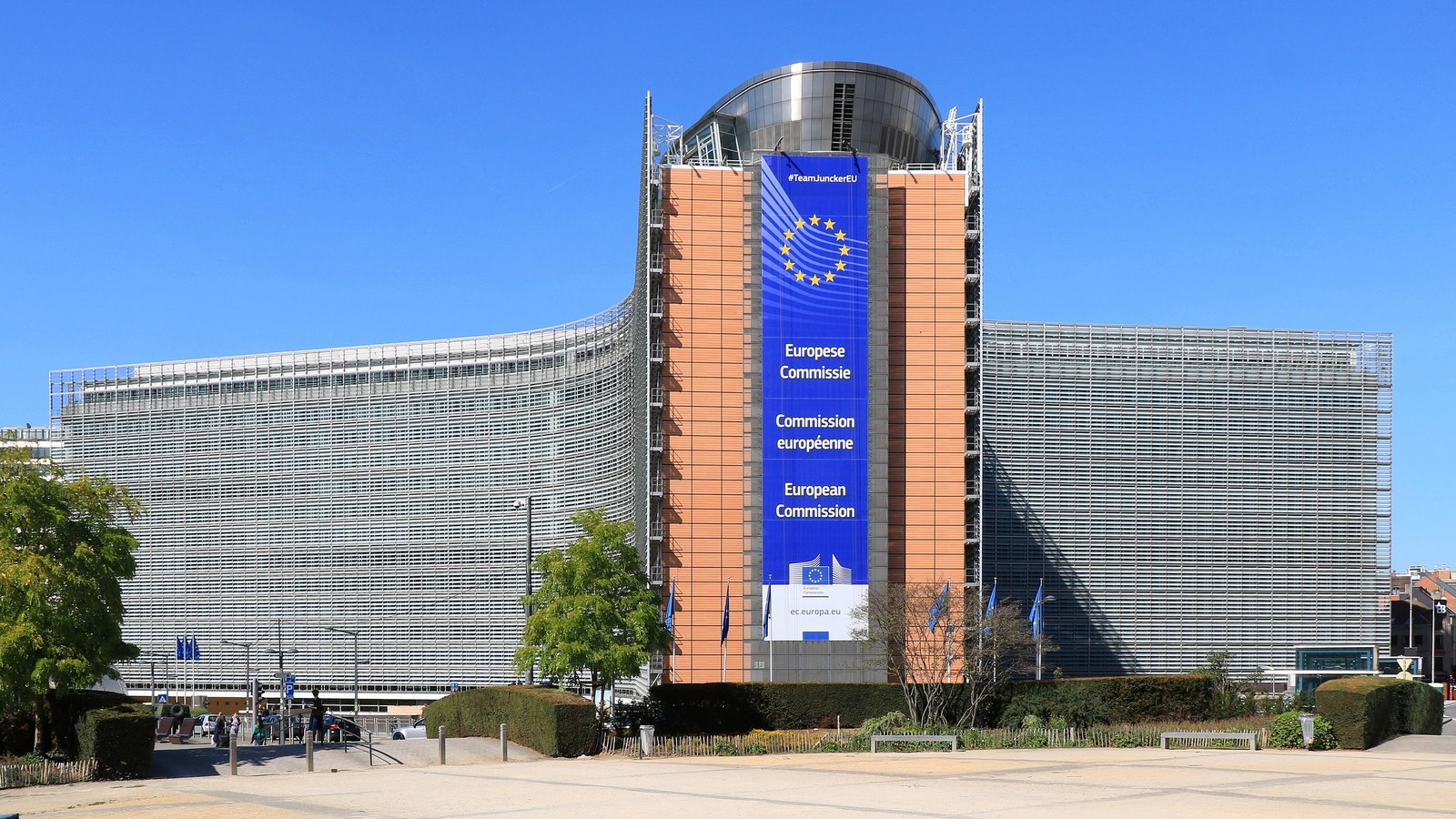
Image: EmDee, the Commission’s Berlaymont building, Brussels, 14 September 2019, CC BY-SA 4.0, Wikimedia Commons. The photograph shows the headquarters that issued the strategy, not a victim.
Sources consulted: New strategy on combating trafficking in human beings — European Commission; 9 678 registered victims of human trafficking in 2024 — Eurostat.











0 Comments
No comments on this article yet. Be the first!